

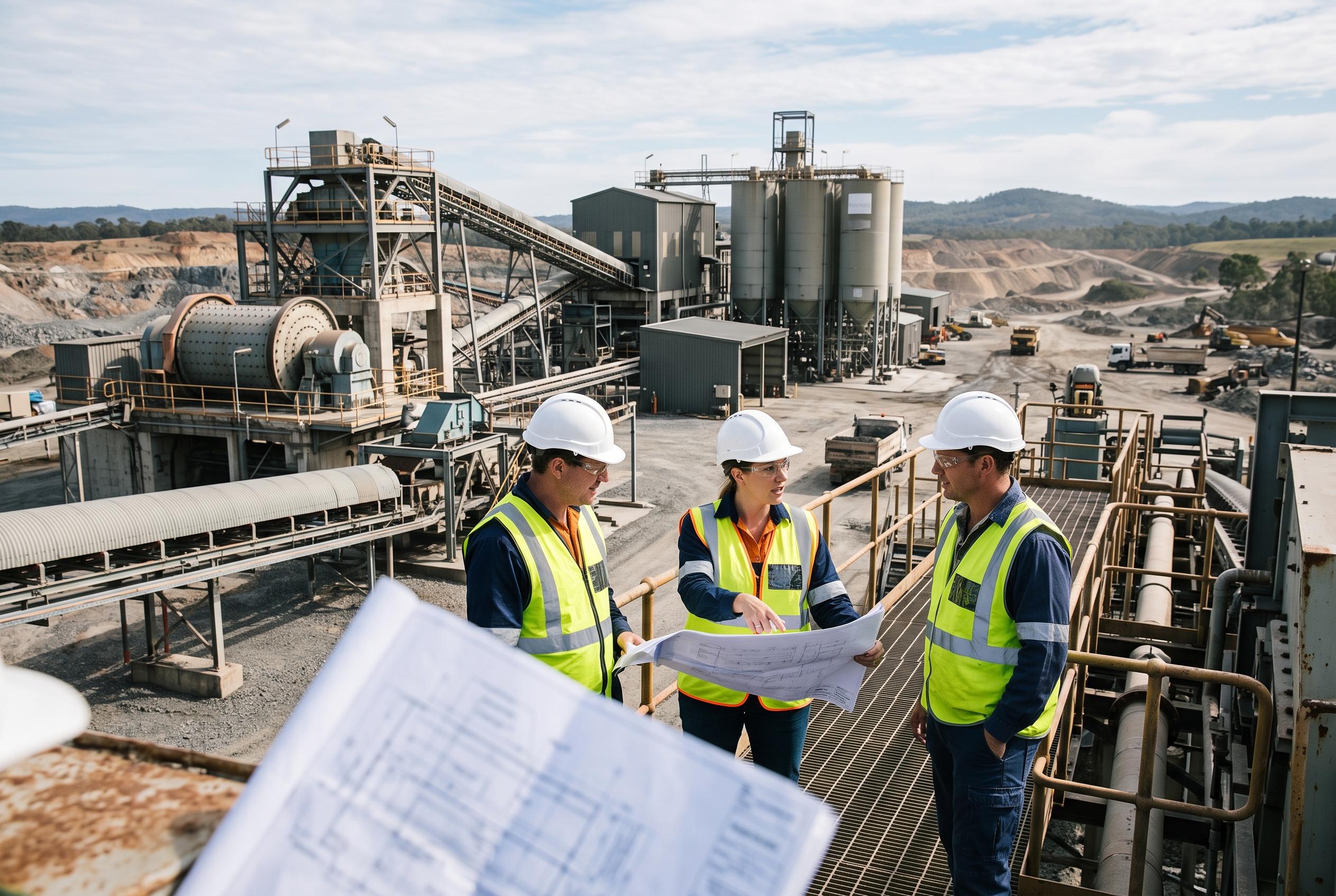

New Delhi is preparing a stockpiling framework to protect strategic industries from supply shocks while four processing parks aim to expand domestic capacity.
India is preparing to unveil a policy on stockpiling critical minerals within about a month, a move designed to shield key industries from supply shocks and reduce reliance on imports, according to Mines Secretary Keshav Chandra.
Speaking at the India Mines and Minerals Conclave 2026, organised by Assocham, Chandra said the policy was in its final stages and would set out how reserves are to be managed and released. Business Standard reported that the framework is expected to define the circumstances under which stockpiles can be drawn down, including the quantities involved and which users would be eligible to receive them.
The initiative is aimed at strategic sectors such as defence, advanced electronics, aerospace and energy, where a steady flow of inputs can be vital. The Indian Express reported that officials are also working on detailed arrangements for the reserves as concerns grow over supply chain disruptions and the country’s heavy import dependence.
Alongside the stockpiling plan, the government intends to establish four critical minerals processing parks in Gujarat, Maharashtra, Andhra Pradesh and Odisha. According to reports in the Times of India and Angel One, the parks are intended to strengthen domestic processing capacity and support materials used in battery manufacturing, with the broader aim of moving more of the value chain onshore.
Officials have identified more than 30 minerals as critical for sectors ranging from defence and agriculture to telecommunications, pharmaceuticals and clean energy. These materials, which include copper, lithium, nickel, cobalt and rare earths, are central to electric vehicles, wind turbines, power networks and batteries. The policy push reflects New Delhi’s effort to build a more resilient mineral supply chain at a time when global competition for these resources is intensifying.
Disclaimer: This article is intended to inform and educate, not to recommend or endorse any financial product, investment or strategy. Please consider your own financial circumstances and seek professional advice where appropriate before making financial decisions.



