

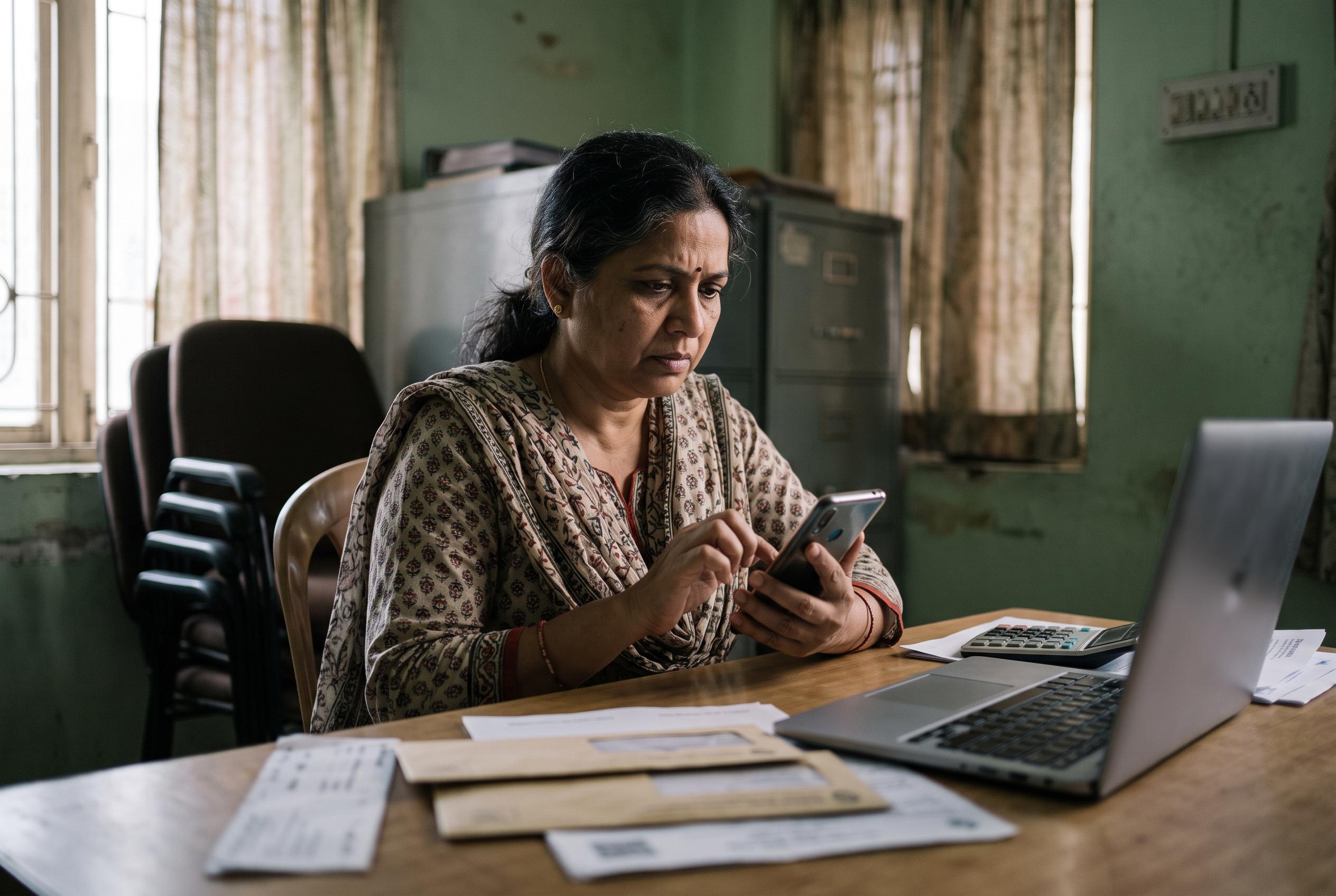

Scammers are using leaked personal details to impersonate officials, lure women to fake welfare portals and steal money through OTPs and fraudulent links, Hyderabad cybercrime investigators warn.
Cyber fraudsters in Telangana are increasingly using personal information to single out victims, with scammers now tailoring pitches around pregnancy, childbirth and recent marriage rather than sending mass messages, according to cybercrime officials in Hyderabad.
Investigators say the new approach relies on details that make the message appear credible. Women who had enrolled at Anganwadi centres for government welfare programmes were among those contacted, with callers pretending to follow up on registration and urging them to complete “verification” through fake web pages designed to resemble official portals. Telangana’s welfare system includes schemes such as the KCR Kit, which offers pregnant women delivering in government hospitals cash support and essential baby items, and Arogya Lakshmi, which provides meals and nutrition support through Anganwadi centres.
Police sources said one common script begins with questions about whether a woman has delivered and whether the baby has arrived, before the caller promises a cash benefit and presses for an OTP, or one-time password. In one case, a pregnant woman lost ₹6,000 after sharing the code; in another, a woman in Mahabubnagar district lost ₹50,000 after clicking a link that appeared to offer assistance for hospital expenses. A newly married woman in Warangal district was also allegedly duped after receiving a message referring to the Tulam Gold Scheme and directing her to a site that looked like a Telangana government page.
Officials said the pattern suggests that fraudsters may be drawing on leaked personal data to make their calls and texts more convincing. Possible points of leakage under scrutiny include Anganwadi centres, hospitals, diagnostic laboratories, the ICDS app, marriage registration offices and MeeSeva centres. Investigators are also looking at claims that personal information is being sold in packaged form on the dark web or in Telegram groups.
A cybercrime officer said government departments do not seek OTPs over WhatsApp or telephone and do not ask people to transfer money as part of a benefits process. Applications for welfare schemes, the officer said, are handled through public administration centres or the relevant departments. Victims who suspect fraud are being urged to contact the cybercrime helpline on 1930, file a complaint on the cybercrime portal and alert their bank at once to try to block further losses.
Disclaimer: This article is intended to inform and educate, not to recommend or endorse any financial product, investment or strategy. Please consider your own financial circumstances and seek professional advice where appropriate before making financial decisions.



