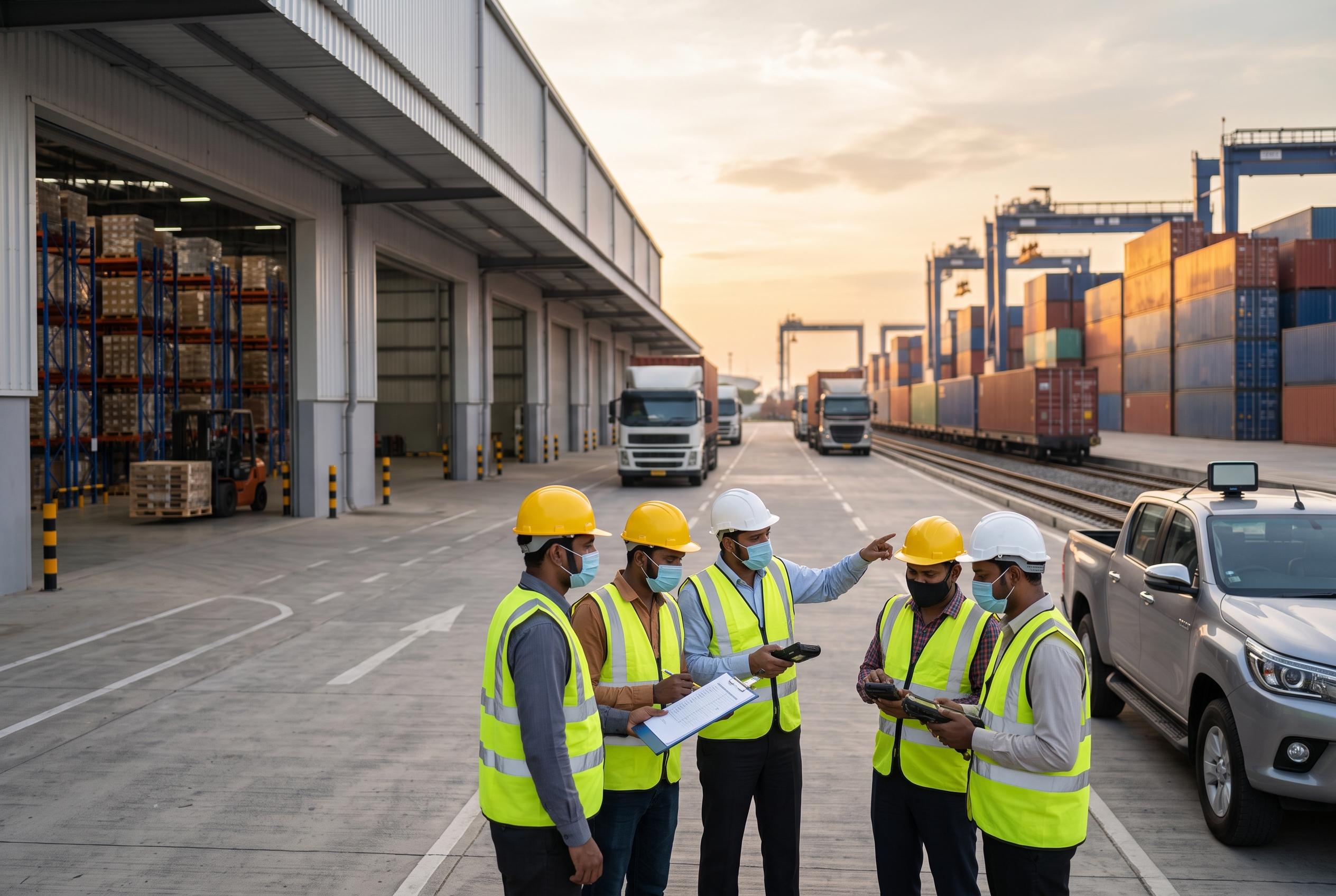

Three decades after liberalisation, India’s logistics industry has shifted from manual processes to high-tech supply chains, with future reforms focusing on transport efficiency and global integration.
The biggest change in India’s logistics sector after 1991 was not simply lower tariffs or easier licensing, but a wholesale shift in how businesses thought. Cyrus Guzder, chairman and managing director of Airfreight (India), told Business Standard that the reforms quickly altered customer expectations: import duties were falling, businesses feared a flood of foreign competition, and exporters began looking outward rather than relying on domestic relationships alone. That change in outlook, he argued, mattered as much as any policy reform because it pushed companies towards global standards, wider partnerships and more disciplined service expectations.
According to Guzder, the sector’s opening had in fact started in a limited way even before 1991. Airfreight had already been working with DHL from 1979, when an unexpected approach from the global express company led to a daily Mumbai-Singapore service for a multinational customer. That early work showed the potential of time-sensitive logistics in India, but it remained a niche business for years. It was only after liberalisation that the corporate market widened materially, as companies faced new pressure to compete on delivery speed, reliability and international reach. Mint has previously noted that the DHL tie-up helped introduce next-day delivery into and out of India, long before such service levels became common.
The technological evolution of logistics was slower and more layered than the policy shift. Before liberalisation, operations were still heavily manual, with typewriters, ledgers and telephone calls doing much of the work. Guzder said progress came in stages after 1991: first fax machines, then mobile phones, then better telecoms, barcoding, enterprise software, the internet, GPS and, more recently, route optimisation and warehouse management systems. The industry’s real transformation, he said, was that technology moved from being a support function to becoming the product itself, enabling real-time tracking and tighter control over supply chains.
Business Standard’s broader coverage of the 1991 reforms points to a similar pattern across the economy: the dismantling of the licence regime created space for trade, investment and services-led growth, while sectors such as IT, telecoms, pharmaceuticals and automobiles captured much of the early attention. Logistics, by contrast, became the connective tissue that allowed those changes to work in practice. Guzder said the reforms increased trade volumes and raised demand for international express services, air freight and faster customs processing, but the system remained constrained by weak infrastructure and slow administrative adaptation.
That last point remains central to the sector’s unresolved problems. Guzder said trucking is still highly fragmented, dominated by owner-drivers with too little capital to scale, modernise or build communication networks. He also pointed to a shortage of drivers and poor working conditions, which he said keep the system inefficient and under-invested. While foreign groups entered Indian logistics in force around the late 1990s and early 2000s, bringing capital and new practices, he said foreign direct investment has since slowed as trade growth has softened and structural friction has persisted. Warehousing, meanwhile, has become a major battleground of its own, tied to difficult land acquisition, the rise of large developers and the growing role of real estate investors in logistics infrastructure.
Looking ahead, Guzder argued that the next phase of reform must focus on making transport itself more efficient. He called for more freight on rail, more organised trucking, faster customs clearance near airports, and better port and coastal shipping capacity. The direction of travel, he suggested, is towards deeper formalisation and consolidation, with larger logistics providers eventually moving closer to the factory floor by managing in-plant warehouses and feeding assembly lines directly. For him, that would be the next logical step in the long process set in motion by 1991: not just opening India to the world, but embedding global standards into the day-to-day mechanics of commerce.
Disclaimer: This article is intended to inform and educate, not to recommend or endorse any financial product, investment or strategy. Please consider your own financial circumstances and seek professional advice where appropriate before making financial decisions.