

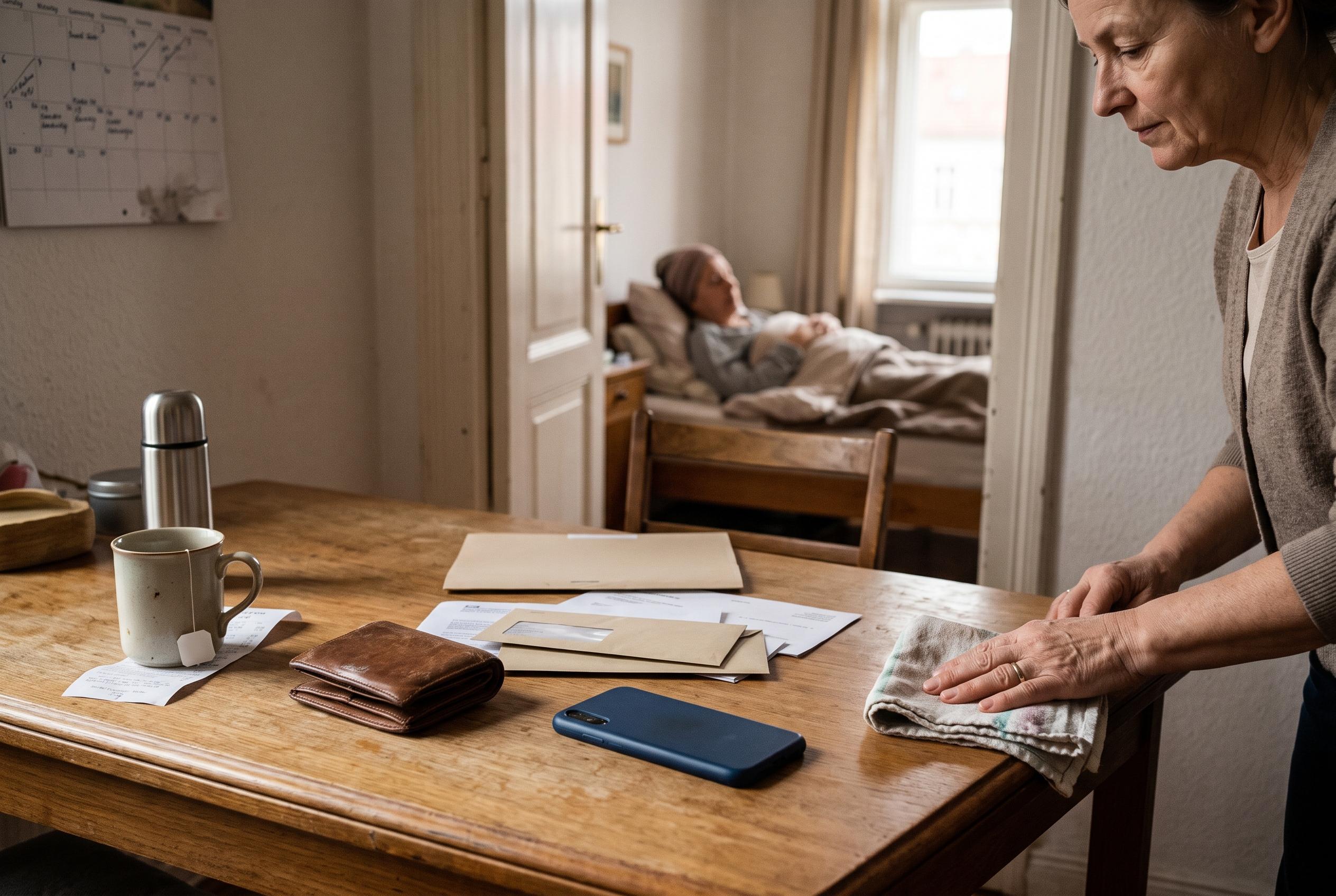

As illness and injury extend recovery periods, experts highlight the importance of comprehensive health cover and financial buffers to safeguard households from losing income and stability during long-term absences.
When illness or injury strikes, the first concern is naturally recovery. Yet a longer spell away from work can quickly become a financial problem as well, because household bills do not pause just because income does. The issue is especially acute when sick leave lasts for weeks or months, and families must juggle treatment with mortgages, rent, food, transport and childcare costs.
The Slovenian article argues that this is why people should think about health cover more broadly than access to doctors and tests alone. It says a well-prepared household should also consider how it would cope if earnings fell during a prolonged absence from work, particularly at a time when energy and attention are already being drained by illness.
That concern is not merely theoretical. As explained in a separate analysis by Kalkulix, sick pay in Slovenia is typically split between the employer and the Health Insurance Institute of Slovenia, known as ZZZS, with employers covering the first 30 working days and the public insurer taking over after that. Even where support exists, it may still mean lower income than normal wages, and a longer absence can also mean losing benefits such as meal allowances and transport reimbursements, according to a report by Delo’s business section.
Because of that, the Slovenian piece recommends that households work out their essential monthly spending in advance and compare it with savings. A family with a mortgage and higher fixed costs may need a very different buffer from someone with modest outgoings and several months of reserves. The practical question is not simply whether money has been set aside, but how long the household could continue to meet its core obligations if pay were reduced.
For people whose income depends directly on their ability to work, the risk can be sharper still. The article says this is particularly relevant for self-employed workers, entrepreneurs and farmers whose earnings may stop or fall quickly if they cannot carry on trading. In such cases, the knock-on effect can spread from business cash flow to the personal budget with little delay.
The article presents Merkur’s “Bolniška odsotnost” cover as one way of bridging that gap. According to Merkur’s own product information, the policy is designed to provide financial protection during extended sick leave caused by illness or injury, with three packages available and waiting periods that vary by option. Merkur also says the cover is available to employees, the self-employed and certain people working in professional or agricultural activity as their main occupation.
Merkur places that product alongside other health-related policies, including insurance aimed at specialist treatment and cover for serious illness. Its broader message is that families should not look only at whether they can get care quickly, but also at how they would keep their finances stable while they recover. Before taking out any policy, the company says customers should check the scope of cover, exclusions, waiting periods and the conditions for payment.
Disclaimer: This article is intended to inform and educate, not to recommend or endorse any financial product, investment or strategy. Please consider your own financial circumstances and seek professional advice where appropriate before making financial decisions.



