


India is set to implement comprehensive Goods and Services Tax reforms that could reshape small online sellers’ registration processes, enhance input tax credit protections, and introduce stricter transit checks, signalling a shift from rate-setting to administrative efficiency.
India’s next round of GST reforms could do more than fine-tune tax rules. If the package being discussed by the GST Council is adopted, it could reshape how small online sellers register across states, how buyers preserve input tax credit and how trucks carrying goods are checked in transit. According to Hindustan Times, which first reported the proposals ahead of the Council meeting, the aim is to reduce the day-to-day friction that has grown around India’s indirect tax system.
That matters because GST is not only about rates and filings. It also determines whether a small seller can reach customers beyond its home state, whether a buyer’s cash remains tied up in disputed credit, and whether a goods vehicle is stopped repeatedly on an inter-state route. Deloitte’s latest GST survey, cited in its “GST@8” report, found that 85% of respondents now view GST positively, up from 59% in 2022, suggesting that business sentiment has improved as compliance tools and portal features have become more taxpayer-friendly. Even so, the same report and other recent coverage point to persistent operational pain points that the proposed process reforms are meant to address.
One of the most consequential changes under discussion would make it easier for small e-commerce sellers to register in states where they do not own or lease premises. Under the proposal, a platform’s warehouse could serve as the seller’s registered place of business in those states, provided the seller has a genuine base location elsewhere and completes verification there. Registrations in additional states could then be obtained with the platform’s consent, without further involvement from tax officers. The proposal is aimed at the roughly 9.5 lakh small sellers believed to be able to reach a wider market if they are no longer forced to establish physical offices in every state where their goods are stored.
The logic behind that change is straightforward: in a digitally coordinated supply chain, a warehouse is an operating node, not just a storage site. Business Standard has reported that GST’s input tax credit mechanism continues to suffer from supplier defaults, invoice mismatches and compliance delays, all of which can block credit and strain working capital, especially in sectors such as fast-moving consumer goods, textiles, footwear, fertilisers and renewable energy. The proposed GST reform on credit would try to separate the buyer’s position from the supplier’s conduct, protecting legitimate input tax credit where the buyer has valid invoices and shifting recovery action to the defaulting seller.
That would mark a notable change in enforcement philosophy. It could reduce litigation and working-capital stress for compliant businesses, particularly those buying from small or new vendors, while keeping documentary checks in place. In parallel, the Council is also understood to be weighing a more structured process for notices and adjudication, including clearer guidance on how demands are drafted, how fraud is distinguished from routine short-payment, and how hearings and orders are issued. The aim appears to be a more proportionate system, one that reserves stronger enforcement for more serious disputes.
Small-value cases are another target. The proposals reportedly include a bar on GST notices where the tax demand is below ₹10,000, with the threshold potentially applying even to pending matters at the adjudication or appeal stage. For higher demands, officers would first issue an intimation and allow time for a response before serving a formal notice. The same package would also make registration and return filing more guided, with a system that shows only the sections relevant to each applicant, carries details forward from existing registrations in other states and groups multiple applications together. For micro, small and medium-sized enterprises that sell only to consumers, the Council may also consider simpler annual returns and quarterly tax payment options.
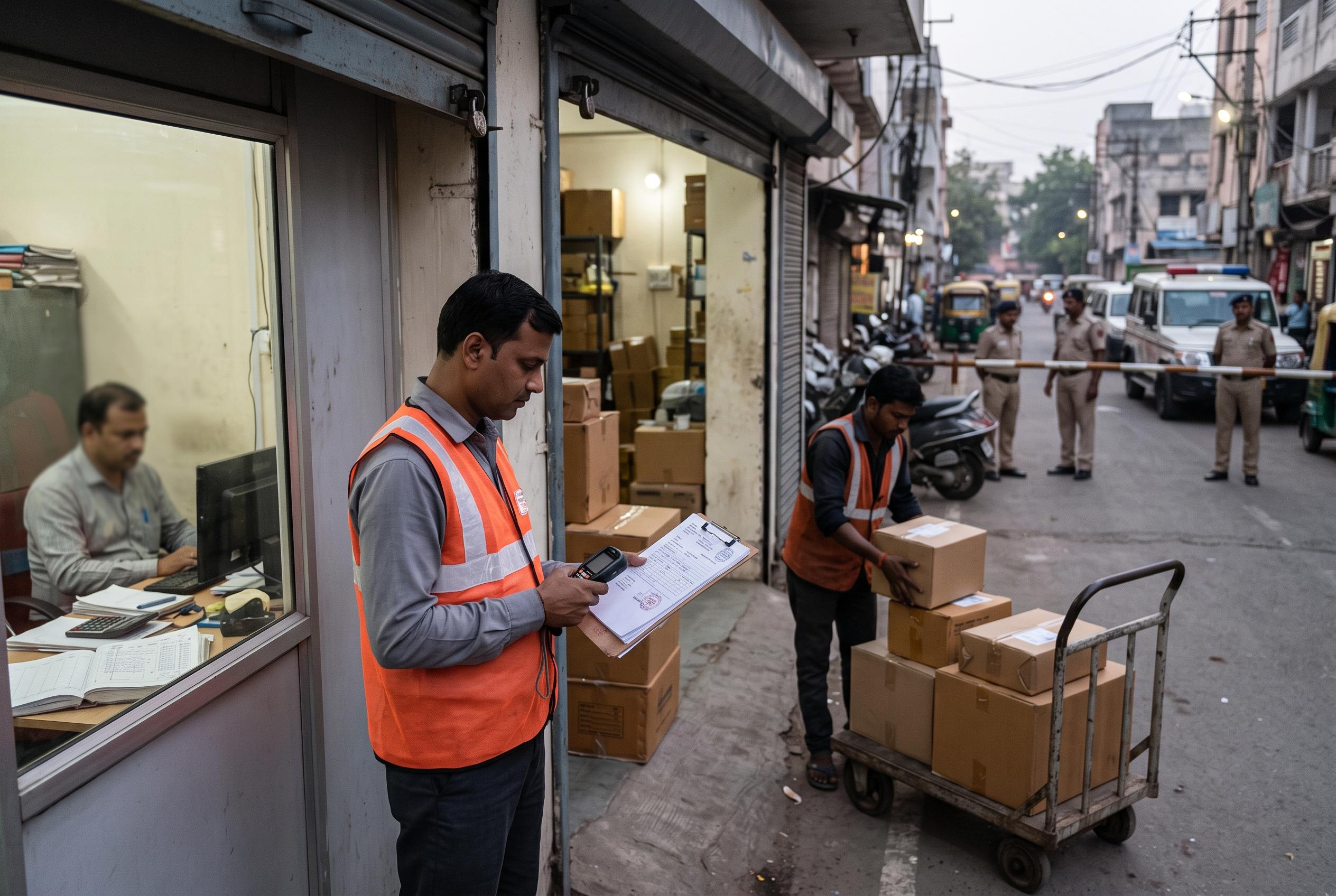
The logistics side of GST could change as well. The Council is likely to consider intelligence-led transit checks under which vehicles could be stopped only with prior authorisation from a senior officer and, in general, only by the state of origin. Exceptions would apply where documents are missing or tax is due from the buyer. That matters because the cost of a delay at a border or on a state route is not just a tax issue; it affects freight planning, inventory, delivery schedules and the use of warehouse space in cities. The package also includes a possible single 5% GST rate without input tax credit for e-commerce delivery services, alongside proposals on the export treatment of services supplied through overseas branches of Indian companies and the IGST exemption on imports of certain precious metals by nominated agencies and banks.
The wider significance of the reform drive is that GST is now being treated less as a rate-setting exercise and more as an administrative system that must work across India’s federal structure. The Indian Express reported that Finance Minister Nirmala Sitharaman has rejected the idea of a Centre-state clash over GST, stressing instead the need to respect the federal design of the system. That point is important because the reforms under discussion would only work if central and state administrations apply the same rules consistently. The proposals, which Reuters-style reporting from the original briefing says have been developed through repeated meetings of officers and coordination committees, remain proposals for now. The Council’s decisions, and the notifications that follow, will determine whether this becomes a genuine simplification of India’s tax machinery or another set of changes that businesses must learn to navigate.
Disclaimer: This article is intended to inform and educate, not to recommend or endorse any financial product, investment or strategy. Please consider your own financial circumstances and seek professional advice where appropriate before making financial decisions.



