

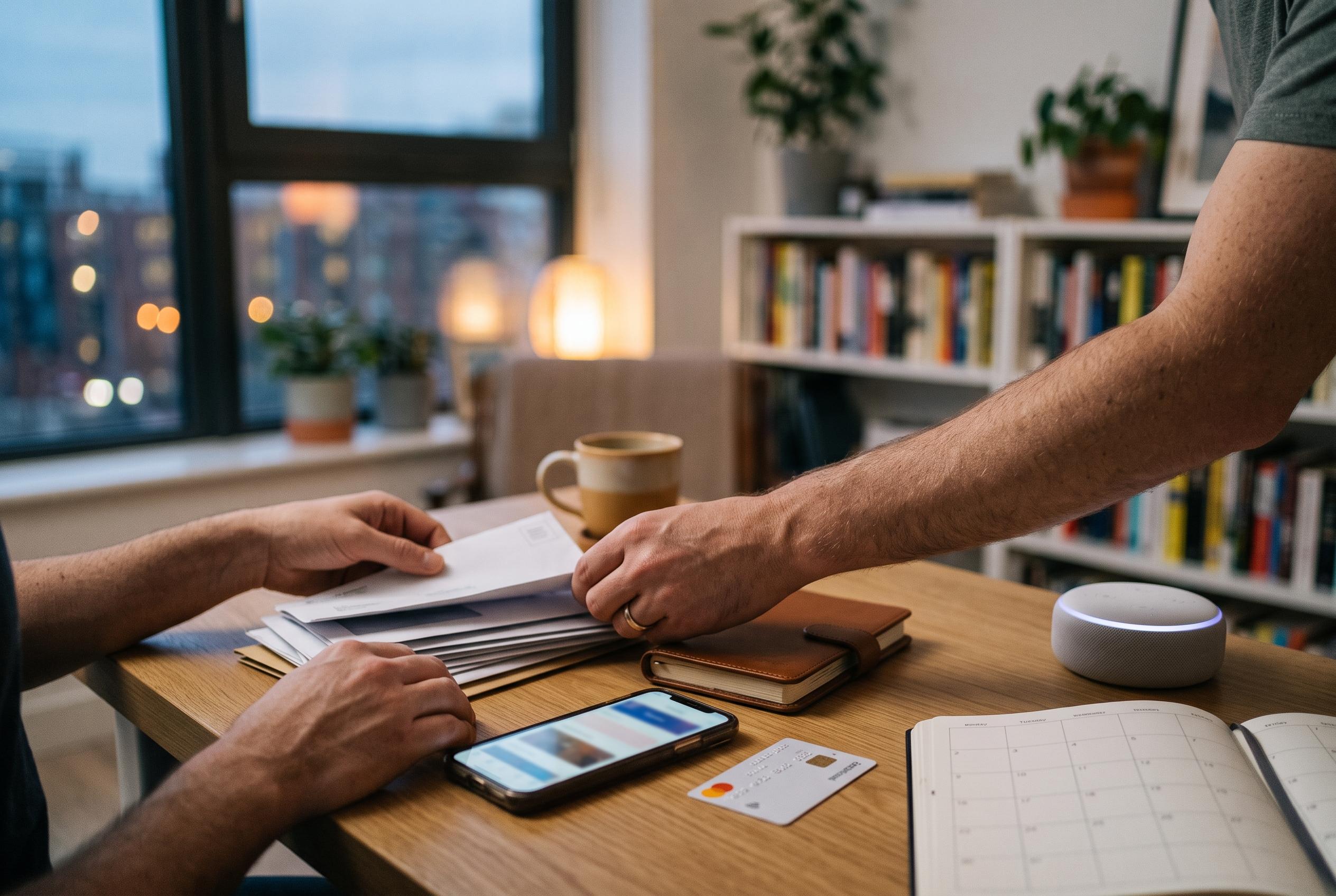

Establishing routines with reminders, automation, and regular reviews can help consumers prevent late fees, maintain credit scores, and reduce financial stress in a busy digital era.
Missing a bill payment once may feel trivial, but the costs can mount quickly when late charges, extra interest and service interruptions start to pile up. For credit accounts, the damage can be more than a nuisance: NerdWallet notes that payments 30 days or more past due can hurt credit scores and can stay on credit reports for years. Bankrate and Empower both point out that repeated missed payments can also trigger fees and higher borrowing costs, making an avoidable slip into a longer-term financial problem.
The real issue is often not discipline but design. Bills now arrive by email, text message, app alert and paper statement, each on a different schedule and through a different provider. Add irregular paydays, multiple bank accounts and a growing list of subscriptions, and it becomes easy for a due date to disappear into the background. That is why the best defence is a system, not a better memory.
A practical first step is to gather every recurring payment in one place. Rent, utilities, loan instalments, credit cards, insurance premiums and digital subscriptions should all sit on a single master list with the amount, due date and payment method noted clearly. A calendar or budgeting app can then be used to set reminders before the deadline, not on the day itself. A reminder a week ahead, followed by another a day or two before payment, gives enough time to move money, check a statement or call the provider if something looks wrong.
Automatic payments can help, but they work best when used selectively. Fixed charges such as rent, insurance and loan repayments are usually suitable for auto-pay because the amount is predictable. Variable bills, including electricity, gas and some credit card balances, often deserve a manual review first so an unusually high charge does not go unnoticed. Budgetingapp.io recommends keeping a small cash buffer in the payment account as well, which reduces the risk of a failed debit if the timing of income changes or an unexpected charge appears.
That buffer is especially important for people whose income arrives on uneven dates. Rather than waiting until the official due date, essential bills should be paid soon after money lands in the account. This reduces the chance that funds will be spent elsewhere and leaves less room for error. If a payment cannot be made on time, Kiplinger advises that taxpayers and consumers in similar situations should contact the creditor or provider as early as possible to ask about fee waivers, payment plans or other relief options.
Regular reviews matter just as much as reminders. Empower and Bankrate both stress that even when auto-pay is switched on, statements should still be checked each month for duplicate charges, billing errors or subscriptions that are no longer wanted. A short weekly check of balances and upcoming due dates can catch problems before they turn into missed payments. That habit is often enough to keep a payment plan working without constant attention.
The payoff for building this routine is straightforward: fewer late fees, fewer service disruptions and a better chance of keeping your credit in good shape. Missing bills is rarely a one-off event caused by bad luck. More often, it is the result of a system that was never set up to handle busy lives. A simple combination of reminders, selective automation, an adequate cash cushion and monthly reviews can make bill payment far less stressful and far more reliable.
Disclaimer: This article is intended to inform and educate, not to recommend or endorse any financial product, investment or strategy. Please consider your own financial circumstances and seek professional advice where appropriate before making financial decisions.



