

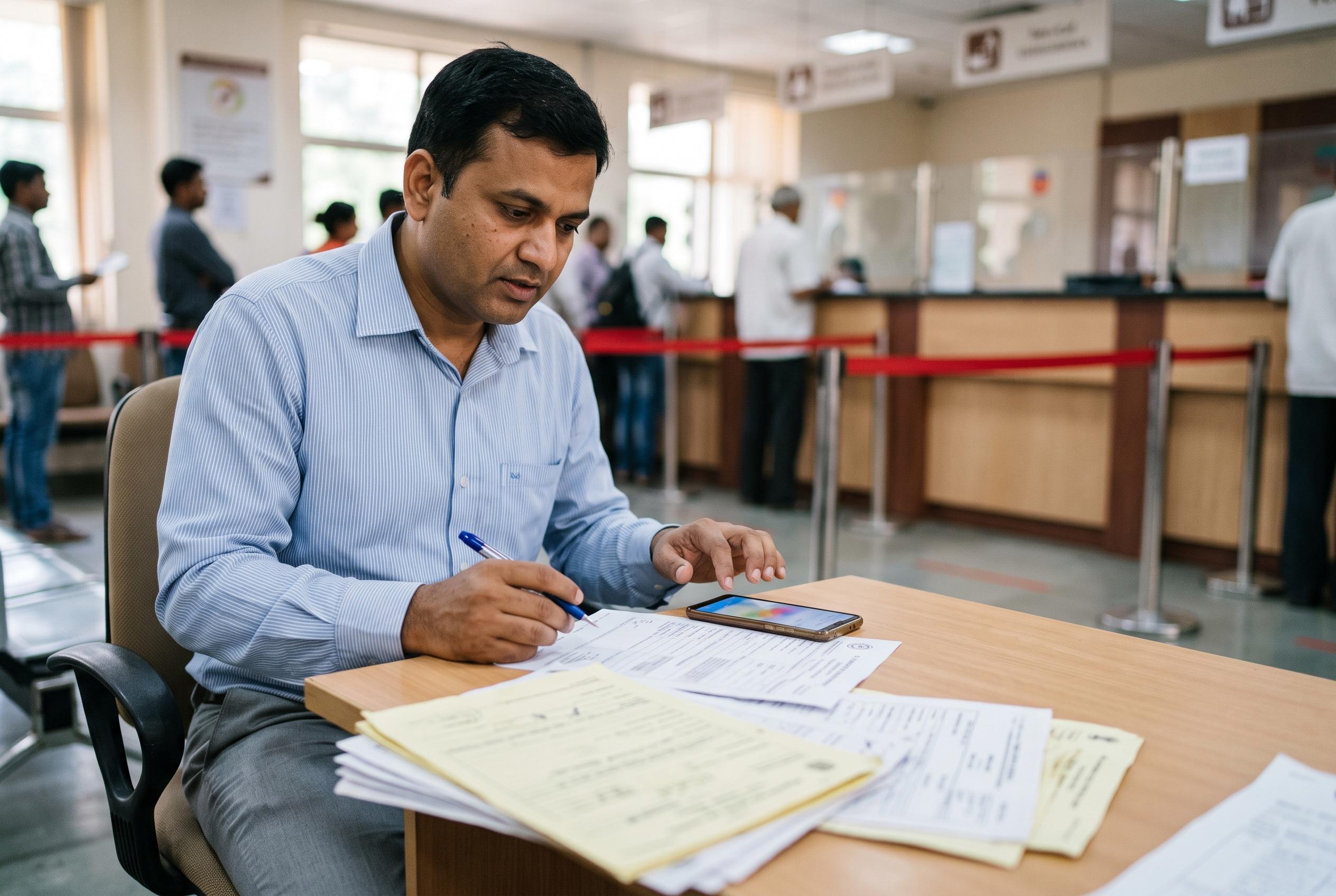

Workers often face avoidable denials when claiming their provident fund due to mismatched or incomplete records across UAN, Aadhaar, bank details, and employment data, underscoring the need for meticulous verification before reapplication.
Aaj Tak reported that a provident fund claim can be rejected for reasons that are often avoidable, leaving workers stuck at the very moment they need access to their own money most. Whether the withdrawal is meant for medical bills, marriage expenses, a home purchase or a job change, the Employee Provident Fund Organisation’s online process still depends on exact matching records, and even a small error can derail the application.
One of the most common problems is a mismatch between the Universal Account Number and Aadhaar details. If a worker’s name, date of birth or other personal data is entered differently across records, the system may struggle to verify the claim. A minor spelling difference or a slightly wrong birth date can be enough to trigger a rejection.
Bank account details are another frequent stumbling block. The EPFO sends money only to a bank account that is recorded and verified in its system, so an incorrect account number, IFSC code or account holder name can stop the transfer. According to the explanations in the related guides, a closed or inactive account will also cause problems, which is why employees are advised to check that the account linked to their provident fund is still active and correctly entered.
KYC, or know your customer, verification also has to be complete. The guides say that Aadhaar, bank and PAN details should all be updated and verified before a claim is filed. If any of those documents remain pending or incomplete, the application can stall. Discrepancies between the EPFO record, Aadhaar and bank data can create the same outcome, especially when names or dates of birth are not identical across all systems.
The company record itself can be part of the problem. The report notes that errors in employment dates entered by an employer may affect a worker’s withdrawal request, while the exit date may also need to be updated in the EPFO system before some claims can move forward. Several of the guidance articles also point to a lack of a properly updated exit date as a repeated reason for rejection.
Choosing the wrong claim type is another avoidable error. Different withdrawals are tied to different conditions, so selecting the wrong reason or form can lead to refusal. Pending transfers or older claims still under process can also interfere with a fresh application. The underlying point across all the guidance is the same: workers should not simply reapply immediately after a rejection, but first check the claim status, identify the exact reason and correct the underlying record.
That means reviewing UAN, Aadhaar, bank details, KYC status, employment records and the exit date before trying again. If the mistake lies with the employer’s records, the worker may need to go back to the human resources department for correction. Only after the information is aligned should the claim be submitted again, reducing the chance of another rejection.
Disclaimer: This article is intended to inform and educate, not to recommend or endorse any financial product, investment or strategy. Please consider your own financial circumstances and seek professional advice where appropriate before making financial decisions.



