

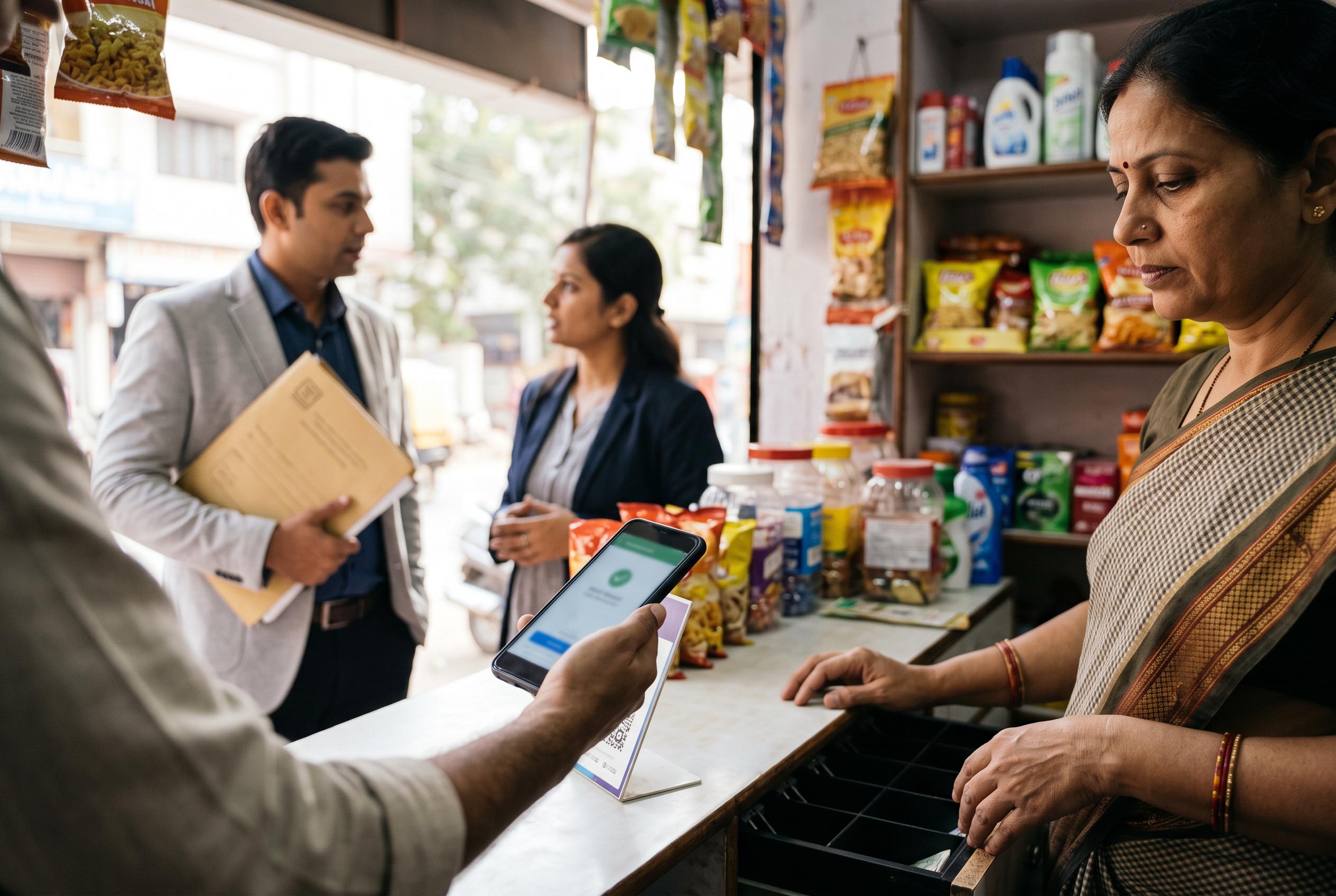

September’s slight dip in UPI transactions has sparked debate, but data indicates the system remains robust and continues to grow amidst discussions on merchant discount rates ahead of new charges implementation.
September’s slight dip in Unified Payments Interface activity has sparked fresh debate in India’s digital payments market, but the numbers point to a pause rather than a retreat. The National Payments Corporation of India’s latest dashboard shows that UPI transactions fell marginally month on month in September, even as annual growth remained robust, suggesting the system continues to expand despite short-term fluctuations.
According to the NPCI data cited by News India Live, UPI processed 24.07 billion transactions in September, down from 24.51 billion in August. The total value of those payments also eased to ₹29.37 lakh crore from ₹29.82 lakh crore a month earlier. But on a year-on-year basis, the picture remained strong, with transaction volumes up 23% and total value rising 18% compared with September 2025.
The month-on-month decline is easier to explain once calendar effects are taken into account. August has 31 days, while September has 30, and that difference lifts the daily average. By that measure, September actually saw slightly higher usage, with average daily transactions rising to about 80.2 crore from 79.1 crore in August. Daily value also remained elevated at roughly ₹97,913 crore, reinforcing the view that UPI remains deeply embedded in routine payments rather than losing traction.
The noise around the September numbers has been amplified by confusion over the proposed merchant discount rate, or MDR, due to take effect on 15 October. LiveMint and other financial publications have reported that the charges are set to apply only to selected person-to-merchant payments above ₹2,000, with a tiered rate of up to 0.4% and a cap of ₹300 on larger payments. Government monitoring of the rollout is intended to ensure banks and payment aggregators do not pass the cost on to consumers, while person-to-person transfers remain exempt.
That distinction matters because the public debate has often blurred merchants and customers. The coverage from LiveMint, the Economic Times and Business Standard makes clear that ordinary users are not supposed to pay the fee, and that low-value UPI payments, which make up the overwhelming bulk of transactions, remain free. In practice, the new framework is aimed at larger commercial payments, not everyday spending such as small purchases, bill payments or transfers between individuals.
Even so, the proposal has unsettled some traders, who worry about pressure on margins and have raised concerns with the finance ministry. Reports have also described isolated instances of shopkeepers removing QR codes or asking for cash, though these appear to be limited rather than widespread. For now, the broader data suggest that UPI is still growing, and that September’s dip looks more like a statistical blip than the start of a structural slowdown.
A further boost may come from the festive season. With demand set to rise through Dussehra, Diwali, Dhanteras and Chhath, analysts expect a pickup in shopping, travel bookings and online purchases in October and November. If that pattern holds, UPI could well return to record territory, extending a run that has already made it the backbone of India’s digital payments economy.
Disclaimer: This article is intended to inform and educate, not to recommend or endorse any financial product, investment or strategy. Please consider your own financial circumstances and seek professional advice where appropriate before making financial decisions.



