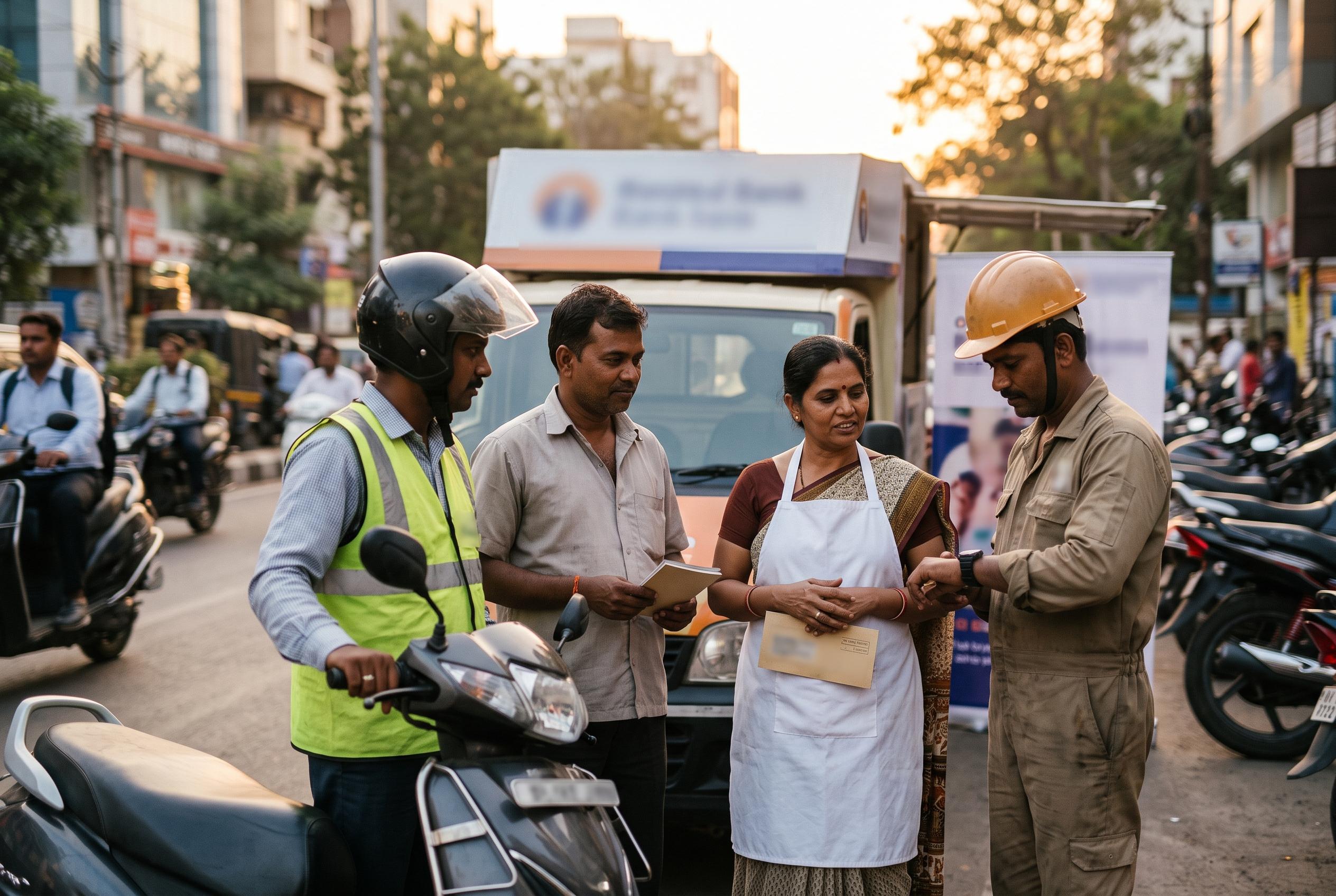

India’s pension regulator launches NPS Sanchay, a straightforward pension scheme targeting informal workers, with extensive outreach through ‘Pension Yatra’ roadshows to encourage wider participation in retirement planning.
India’s pension regulator has launched NPS Sanchay, a simplified version of the National Pension System aimed at workers in the informal economy, self-employed people and first-time retirement savers who may be put off by investment jargon. The move comes as the Pension Fund Regulatory and Development Authority broadens its outreach through a series of “Pension Yatra” roadshows designed to take pension information directly to communities, markets and workplaces.
The new product is intended to remove one of the biggest barriers to joining a market-linked pension plan: deciding how to invest. Under NPS Sanchay, subscribers are given a default allocation rather than having to select an investment mix at the outset. PFRDA says the standard pattern mirrors the approach used for Central and State government subscribers, with 75% placed in government securities and corporate bonds and 25% in equities. The design is meant to provide a simpler entry point for people who may not have regular access to financial advice.
Eligibility is broad. According to the regulator, any Indian citizen aged between 18 and 85 can open an account. The minimum opening contribution is ₹250, while later payments can start from just ₹10. There is no compulsory annual minimum, which makes the scheme more suitable for workers with seasonal or irregular earnings, including daily-wage labourers, shopkeepers, artisans and others in the unorganised sector. Subscribers can also change their investment pattern later if their needs or risk tolerance change.
Accounts can be opened online, through banks, Points of Presence and Common Service Centres. During the Pension Yatra, PFRDA teams will help explain the product and assist with access through Tatkal NPS and other guided channels. The regulator said the outreach drive follows 60 programmes over the past nine months, with another 80 planned this year. The four yatras launched on 1 October are set to cover districts across their respective states and Union territories over 15 days, with 12 more planned over the following six months.
Disclaimer: This article is intended to inform and educate, not to recommend or endorse any financial product, investment or strategy. Please consider your own financial circumstances and seek professional advice where appropriate before making financial decisions.