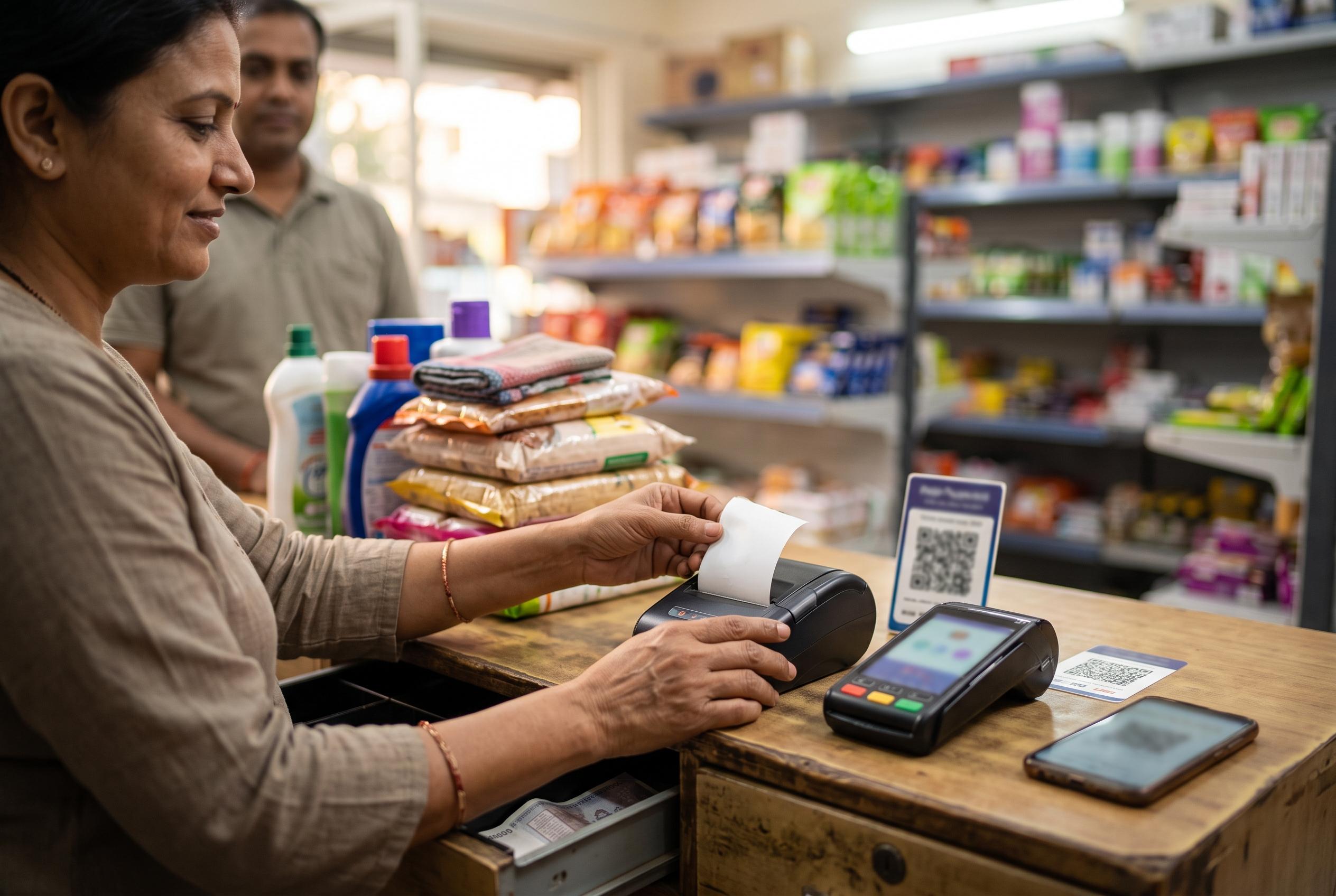

India’s consumer affairs machinery steps in to clarify that the new 0.4% merchant fee on select UPI transactions will primarily affect large payments accepted by merchants, while remaining free for most users, amidst growing concerns over who bears the cost.
India’s consumer affairs machinery is stepping in to calm confusion over the planned merchant discount rate on certain UPI payments, as questions mount about who will ultimately bear the cost. Finance Minister Nirmala Sitharaman has said the 0.4% charge will apply to merchants, not customers, from 15 October 2026, after the announcement triggered concern among users and businesses. According to the National Payments Corporation of India, the new framework will cover only selected person-to-merchant transactions above ₹2,000, while person-to-person transfers and small-ticket merchant payments will remain free.
The clarification matters because UPI has become the country’s dominant retail payments rail, prized for being quick and free at the point of use. In its latest guidance, NPCI said the charge is intended to support the long-term sustainability of the system, but it also drew a clear line between consumer payments and merchant acceptance costs. The Finance Ministry has separately said ordinary customers will not be asked to pay any additional fee when they use UPI to pay businesses.
The rules also leave room for a more nuanced picture than the initial reaction suggested. Mint has reported that the MDR will not apply to all UPI activity: person-to-person transfers stay exempt, as do merchant transactions up to ₹2,000 and payments by small merchants. In a separate explainer, the publication said some recurring payments routed through UPI AutoPay, as well as mutual fund and other capital-market transactions, are treated differently under the new structure. Even loan repayments and EMIs, Mint reported, would not push the cost on to borrowers directly, because the levy sits on the merchant side of the transaction.
For consumers, the practical message is that UPI remains free to use in the vast majority of everyday situations, despite the new merchant fee regime. For merchants, however, the change could affect the economics of accepting larger digital payments, particularly where transaction values are high enough to trigger the new rate. The consumer affairs department’s helpline is likely to remain busy as the implementation date approaches and businesses, payment apps and users work through the fine print.
Disclaimer: This article is intended to inform and educate, not to recommend or endorse any financial product, investment or strategy. Please consider your own financial circumstances and seek professional advice where appropriate before making financial decisions.