

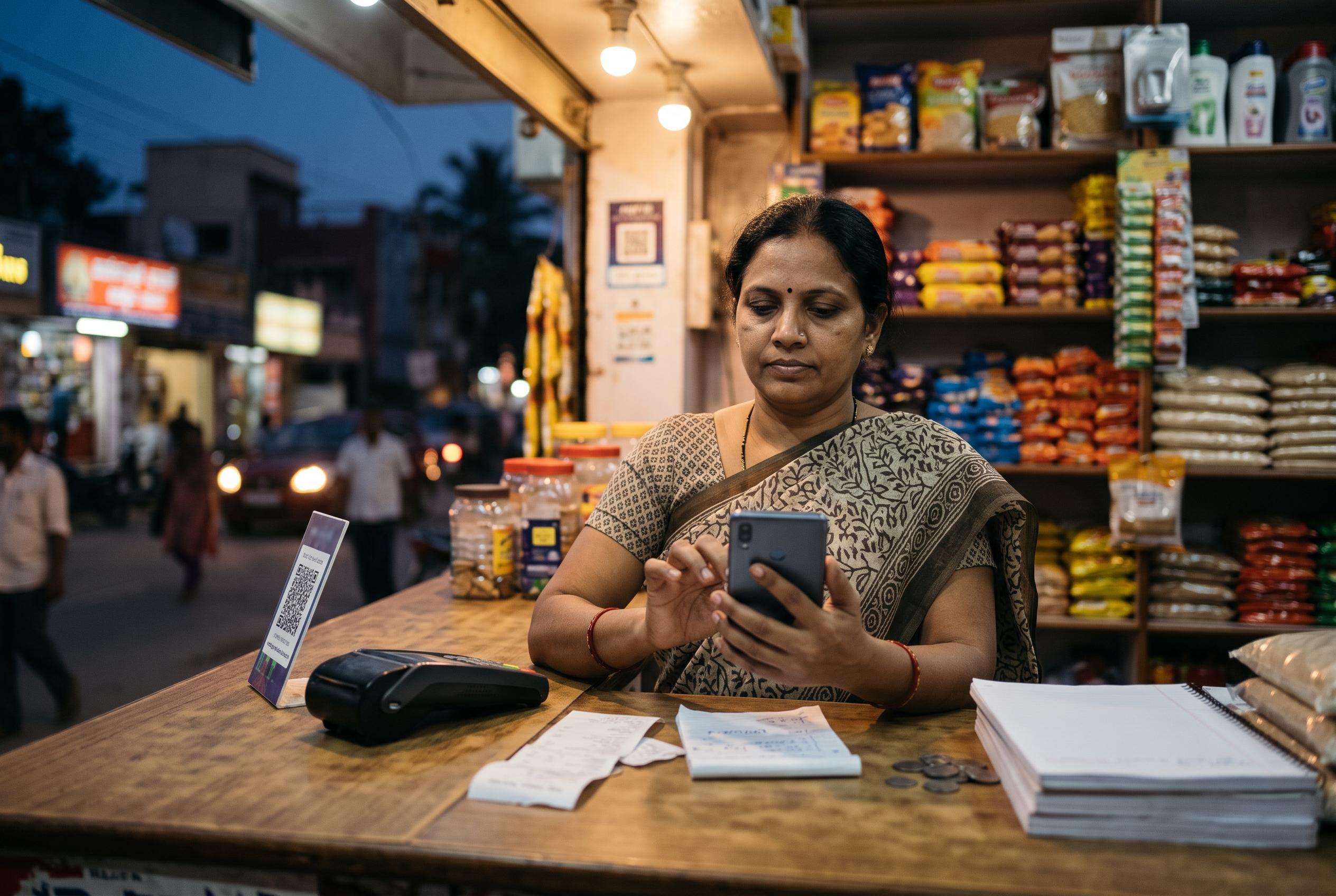

The Supreme Court will hear a petition challenging the government’s decision to introduce a merchant discount rate (MDR) on UPI payments exceeding ₹2,000, raising questions over policy transparency and potential impact on merchants and consumers.
The Supreme Court is due on Monday to hear a public interest petition challenging the Union government’s decision to bring a merchant discount rate, or MDR, into force on some UPI payments above ₹2,000, a move that would end nearly six years of fully free digital transfers for many merchant transactions. According to the plea, the new framework will levy a 0.4 per cent fee on specified person-to-merchant payments from October 15, while leaving ordinary person-to-person transfers untouched. Reuters-style reporting of the petition indicates that the case is being watched closely because it could test both the policy and the legal basis for the government’s latest payment rules.
The challenge, filed by advocate Anjan Datta, targets the Centre’s September 14 notification and the MDR framework announced a day later. The petition says the levy was introduced without enough statutory safeguards, public consultation or disclosure of the data used to justify the change. It also questions the amended Section 10A of the Payment and Settlement Systems Act, arguing that it gives the executive too much discretion over which electronic payment methods receive no-charge protection. LiveLaw reported that the plea asks the court to quash or suspend the framework, or at least to require a fresh review backed by published evidence and consultation.
Under the proposed structure, the MDR would be capped at ₹300 for payments of ₹75,000 and above. Essential and low-margin sectors such as railways, telecoms, insurance, fuel and agricultural inputs would face a flat ₹5 fee on qualifying payments above ₹2,000. Transactions linked to mutual funds, securities and stockbrokers would attract a lower rate of 0.02 per cent, also subject to the ₹300 cap. The petition says the different treatment of UPI and RuPay debit card transactions is arbitrary, because RuPay payments continue to enjoy no-charge protection without a monetary ceiling.
The plea also argues that the policy could hurt merchants with thin margins and ultimately be passed on to consumers, while increasing the risk of digital exclusion if businesses or users avoid higher-value UPI payments. It asks the court to require any future MDR classification to take into account merchant turnover, MSME status, actual margins, geography and ability to bear the cost, instead of using what it calls a blunt threshold. The matter is listed before a bench of Chief Justice of India Surya Kant and Justices Joymalya Bagchi and V. Mohana, according to the Supreme Court’s cause list for September 28.
Disclaimer: This article is intended to inform and educate, not to recommend or endorse any financial product, investment or strategy. Please consider your own financial circumstances and seek professional advice where appropriate before making financial decisions.



