

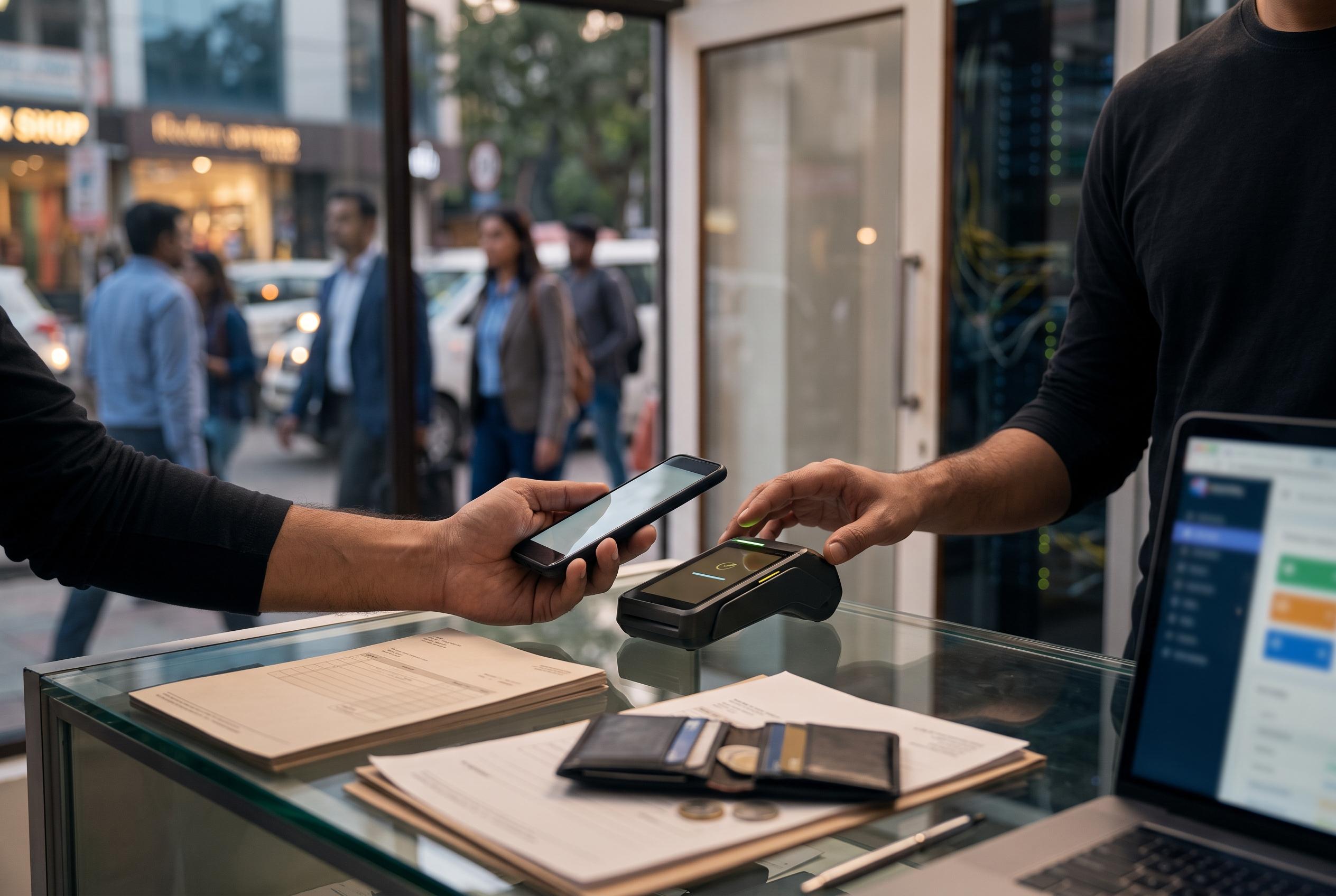

India’s Unified Payments Interface (UPI) exemplifies rapid digital payments scaling, handling over 20 billion transactions monthly, as global payment markets diversify and incorporate AI-driven commerce.
India’s Unified Payments Interface has become one of the clearest examples of how digital payments can be built at national scale. A report from Boston Consulting Group said the system now handles more than 20 billion transactions a month, putting it at the forefront of real-time payments and showing how digital public infrastructure can widen access while still growing rapidly.
The consultancy’s latest global payments outlook said worldwide payments revenue is on track to reach $2.6 trillion by 2030, but growth is expected to slow to about 5% a year, down from 7% over the past five years. That expansion is likely to be uneven. BCG said the Middle East and Africa are set to outpace North America and Europe, with stronger growth also expected in Latin America.
Against that backdrop, India’s payments market stands out for both scale and momentum. Vivek Mandhata, a managing director and partner at BCG, said India’s real-time payments model is notable because it combines inclusion and scale rather than forcing a choice between the two. He said the country has brought hundreds of millions of people into digital payments while still increasing volumes at a pace few markets can match. BCG also said credit cards continue to expand alongside digital rails, especially online, creating room for banks, fintechs and payment firms to build higher-value products and services.
The report argues that the next phase of growth will be shaped by artificial intelligence, agent-led commerce and a more fragmented global payments landscape. BCG said nearly 73% of large merchants surveyed would consider changing acquirers if they received better support for agent-initiated transactions, suggesting that readiness for so-called agentic commerce is becoming a competitive issue. The consultancy also said payment sovereignty is reshaping infrastructure worldwide, with 137 countries now operating 24/7 instant payment systems, underscoring how quickly the market is splintering even as digital usage deepens.
Disclaimer: This article is intended to inform and educate, not to recommend or endorse any financial product, investment or strategy. Please consider your own financial circumstances and seek professional advice where appropriate before making financial decisions.



