

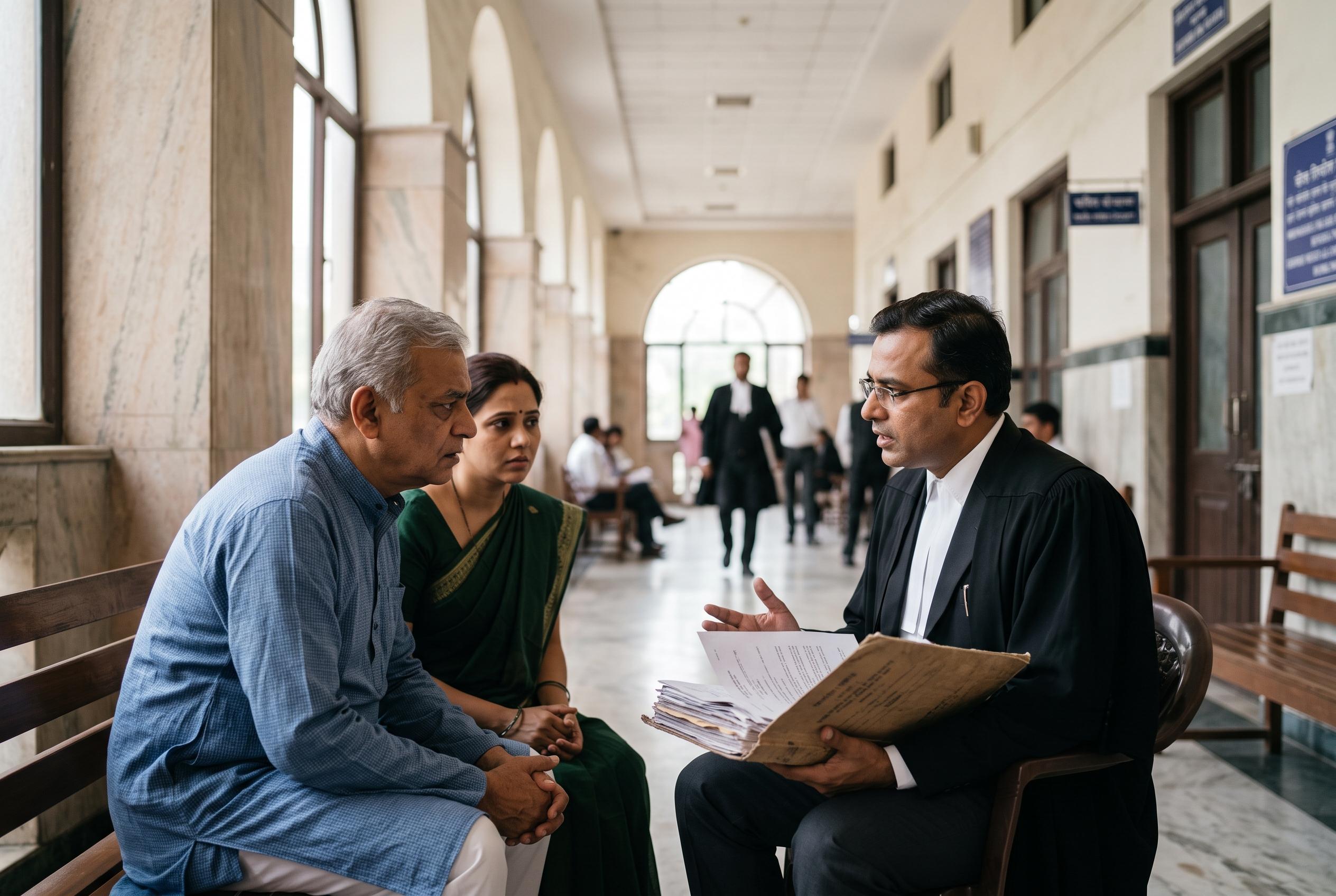

Recent high court decisions across India challenge insurers’ ability to deny claims solely based on allegations of fake driving licences, reinforcing the principle that compensation should not be automatically withdrawn without concrete evidence.
India’s courts are sending a clearer message to insurers: a disputed driving licence does not automatically end a compensation claim. Recent rulings from the Rajasthan High Court, the Gauhati High Court and the West Bengal State Consumer Disputes Redressal Commission have all pointed in the same direction , insurers must do more than simply allege that a licence was fake if they want to avoid liability.
In August 2026, the Rajasthan High Court’s Jaipur Bench rejected appeals by National Insurance Company Ltd after the insurer failed to produce firm evidence that a licence was forged. The bench upheld a Motor Accident Claims Tribunal award in favour of Sultan Singh and Parmeshwar, noting that the licensing authority had not been properly brought into the verification process. In January 2023, the Gauhati High Court had already taken a similar view, saying an insurer could not escape liability merely because the offending driver was found to have a fake licence.
The West Bengal commission went further in September 2026, ordering HDFC General Insurance Company to pay Rs 3.5 lakh plus interest after it rejected a motor claim over doubts about a driver’s licence. The commission said a fake licence does not, by itself, wipe away an insurer’s responsibility, although vehicle owners are still expected to exercise reasonable care when hiring drivers. That approach reflects the wider legal principle that motor insurance is meant to protect third parties first, rather than leave accident victims to fight long disputes over technical breaches.
The Supreme Court has also shaped the debate. In October 2025, it overturned a “pay and recover” order against Hind Samachar Ltd’s Delhi unit after finding that the High Court had assumed collusion over a fake licence without enough evidence. At the same time, lower courts continue to rely on the idea that insurers cannot simply deny payment on suspicion alone. The result is a more demanding standard for insurers, and a measure of relief for policyholders who acted in good faith.
Disclaimer: This article is intended to inform and educate, not to recommend or endorse any financial product, investment or strategy. Please consider your own financial circumstances and seek professional advice where appropriate before making financial decisions.



