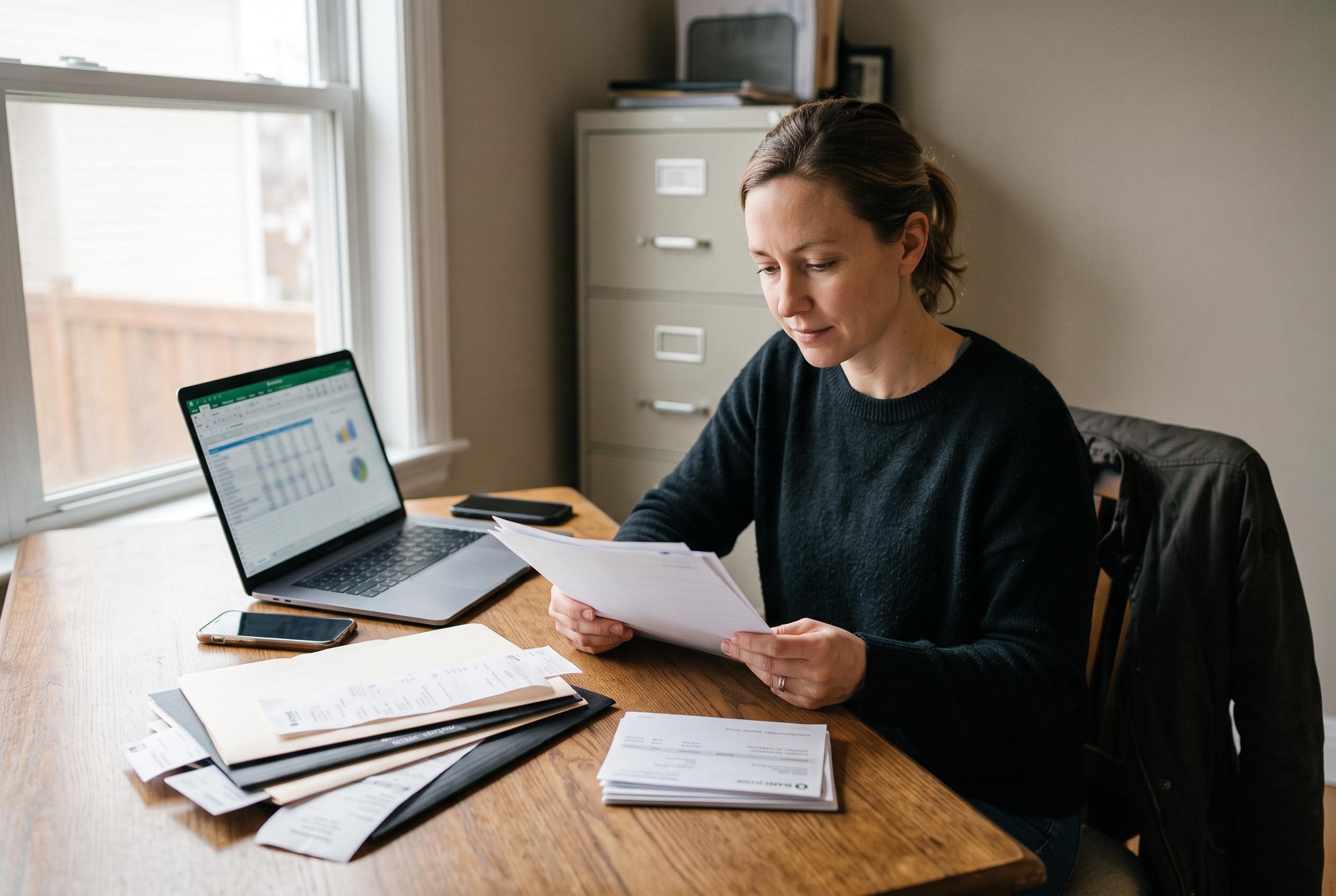

Self-employed borrowers must navigate diverse lender requirements and demonstrate stable earnings through thorough documentation, with expert advice becoming increasingly vital in securing mortgage approval.
Self-employed people can and do secure mortgages every day, but lenders usually need a fuller picture of income than they would for a salaried applicant. The core issue is not whether borrowers work for themselves, but whether their earnings look stable enough to support regular repayments over time.
There is no single definition of self-employment used across the mortgage market. According to Mortgage Notes, lenders may treat sole traders, partners in a partnership or LLP, limited company directors and day-rate contractors differently, because each structure produces income in a different way. That means the way a lender reads your figures can vary as much as the business model itself.
Preparation is therefore crucial. Experian says applicants are typically asked for evidence such as certified accounts, tax year overviews, bank statements and identification, while many lenders also want proof of deposit and address. The more complete the paper trail, the easier it is for a broker or lender to identify which products are likely to fit.
How income is assessed depends heavily on how you earn it. Sole traders are often judged on business profits, while limited company directors may be assessed on salary and dividends, and sometimes broader company performance. Contractors may be reviewed through current contracts, work history and day rates. As TFS Mortgages notes, self-employed borrowers are not confined to a separate product range; they generally access the same mortgage market as employed applicants, but must satisfy the lender’s affordability tests in a different way.
Variable income is not unusual, but lenders will want to understand the pattern. The HomeOwners Alliance says most want to see one to three years of accounts or tax records and evidence of regular, sustainable income. If recent figures are weaker than earlier years, lenders may take a more cautious view, which is why context matters as much as the headline number on a tax return.
Deposit size, credit history and day-to-day commitments still play a major role. Experian and PocketWise both say improving your credit file, checking for mistakes and saving a larger deposit can strengthen an application. For limited company directors in particular, it can also make sense to speak to an accountant and mortgage adviser before making tax or cash-flow decisions inside the business, because mortgage underwriting does not always align with tax planning.
Specialist advisers can be especially helpful for borrowers with irregular income, multiple revenue streams or short trading histories. The company behind the lead article says it works with self-employed buyers across a range of circumstances, but the broader point remains the same: early planning, accurate records and lender-specific advice can make the difference between a difficult application and one that is straightforward.
Disclaimer: This article is intended to inform and educate, not to recommend or endorse any financial product, investment or strategy. Please consider your own financial circumstances and seek professional advice where appropriate before making financial decisions.