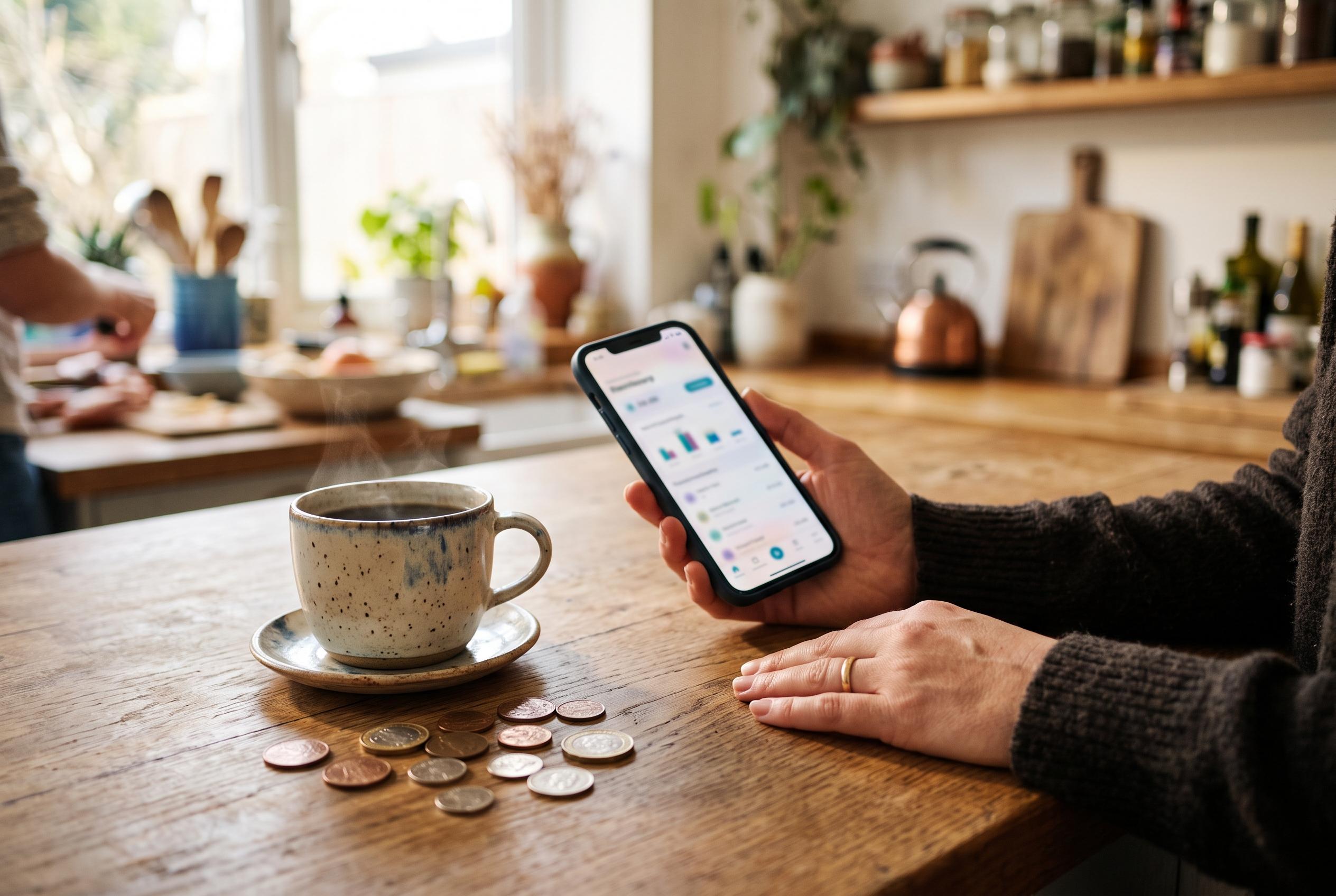

Routine small purchases like coffee, subscriptions and impulsive shopping can cumulatively drain your budget. Financial advisers suggest reviewing automatic expenses and delaying non-essential buys to boost savings without sacrificing daily pleasures.
Small everyday purchases can be far more expensive than they first appear. A coffee bought on the way to work, a late-night delivery order or an app subscription left running in the background may feel insignificant in the moment, but together they can eat into a monthly budget with surprising speed. Financial advisers quoted by KCBD say these habits often go unnoticed because each transaction seems too small to question, which is why a spending review can be so revealing.
One useful first step is to examine the money that leaves your account automatically or almost automatically. That includes food delivery, streaming services, memberships and other recurring charges that are easy to forget once they are set up. KCBD reported that checking the past 30 to 60 days of bank statements can help identify patterns that are quietly draining cash. Cutting even a few of these costs can create more room for genuine priorities, whether that is an emergency fund or a one-off goal.
The same logic applies to clothes and beauty buys. A discount is only a real saving if the item was going to be purchased anyway, and Kiplinger has warned that promotion-driven shopping can lead people to spend more simply to feel as though they have saved. The outlet also noted that consumers often do better by buying second-hand, shopping out of season or slowing down before clicking “buy”, rather than chasing every new trend or flash sale. A short delay can be enough to separate a wanted item from an impulsive one.
Bulk buying can help, but only when it matches what a household actually uses. Kiplinger advises focusing on staples with long shelf lives, such as rice, pasta, oats and frozen foods, while avoiding perishables and products that may spoil before they are finished. That same principle applies to so-called “just because” purchases: if something was not on the list before the sale, it may not deserve a place in the basket now. Waiting a day before buying non-essentials can reduce regret and make spending more deliberate.
In the end, saving more does not have to mean living without small pleasures. It means being more selective about which purchases genuinely add value. The fastest gains often come not from earning a little more, but from plugging the leaks that have been hiding in plain sight.
Disclaimer: This article is intended to inform and educate, not to recommend or endorse any financial product, investment or strategy. Please consider your own financial circumstances and seek professional advice where appropriate before making financial decisions.