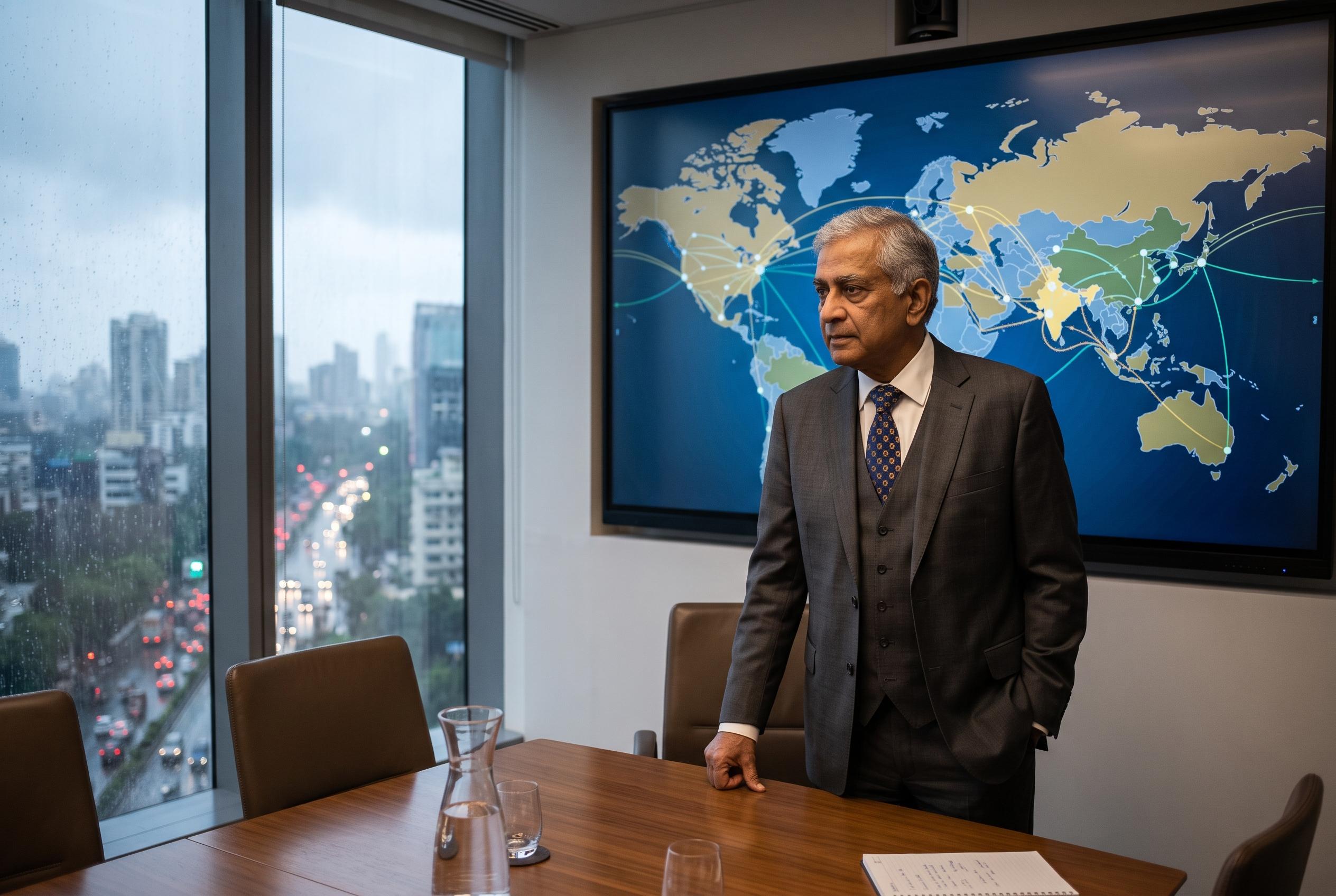

India is recalibrating its international economic approach, expanding its options in response to Washington’s pressure and friction with Beijing, signalling a strategic shift from close alignment to cautious hedging in global politics.
India is recalibrating its economic diplomacy as pressure from Washington and friction with Beijing push New Delhi to widen its options. The immediate trigger has been Donald Trump’s harsher trade posture, including tariffs of up to 50%, disputes over Russian oil purchases and irritation in Delhi over his role in tensions with Pakistan. What was once a close commercial relationship with the US is now being treated more cautiously inside parts of the Indian administration, where the phrase “de-Americanisation” has reportedly entered the conversation.
That rethink is showing up first in India’s search for alternative partners. In Tokyo last month, trade minister Piyush Goyal travelled with more than 200 business leaders to court Japanese investment, telling hosts that India had recently scrapped more than 1,500 laws. Narendra Modi has also been pressing Japan for capital in finance, energy and technology, while New Delhi has finalised a trade deal with the EU after securing an agreement with Switzerland. Japan’s banks and manufacturers see opportunity in India’s young population and rising consumption, even if foreign investors still complain about bureaucracy and capital controls.
At the same time, India is easing back towards China after years of tension. Relations froze after the 2020 clash in the Galwan Valley, when New Delhi banned a series of Chinese apps, including TikTok, and blocked a proposed BYD factory. But after partial thawing at last year’s BRICS summit, India resumed passenger flights to mainland China at the end of 2025, lifted visa restrictions on Chinese specialists and, in March 2026, changed its investment rules for neighbouring countries. Under the new system, investments of up to 10% can be approved automatically, while more sensitive proposals are supposed to be processed within 60 days.
According to the South China Morning Post, the new rules do not name China, but Beijing stands to gain the most. Chinese exporters can supply everything from pharmaceutical inputs to machinery for infrastructure projects, and the reform may also help unlock a wider flow of capital if political trust improves further. A report in Mint argued that the BRICS summit could become a forum for India and China to rebuild economic links, while the Economic Times said India wants practical progress on start-ups, supply chains and green energy when it hosts the bloc’s leaders.
For Modi, the strategy is not a sudden break with the US or a full embrace of China, but a return to hedging. India still relies on cheap imports from China, even as it tries to build more manufacturing at home through companies such as Samsung, Foxconn and others. China remains the bigger long-term rival, and any further easing of restrictions would probably require more progress on the border dispute, including in Aksai Chin and Arunachal Pradesh. But with global politics more unsettled and Trump less predictable, India is once again leaning on an old habit: spreading risk rather than choosing sides.
Disclaimer: This article is intended to inform and educate, not to recommend or endorse any financial product, investment or strategy. Please consider your own financial circumstances and seek professional advice where appropriate before making financial decisions.