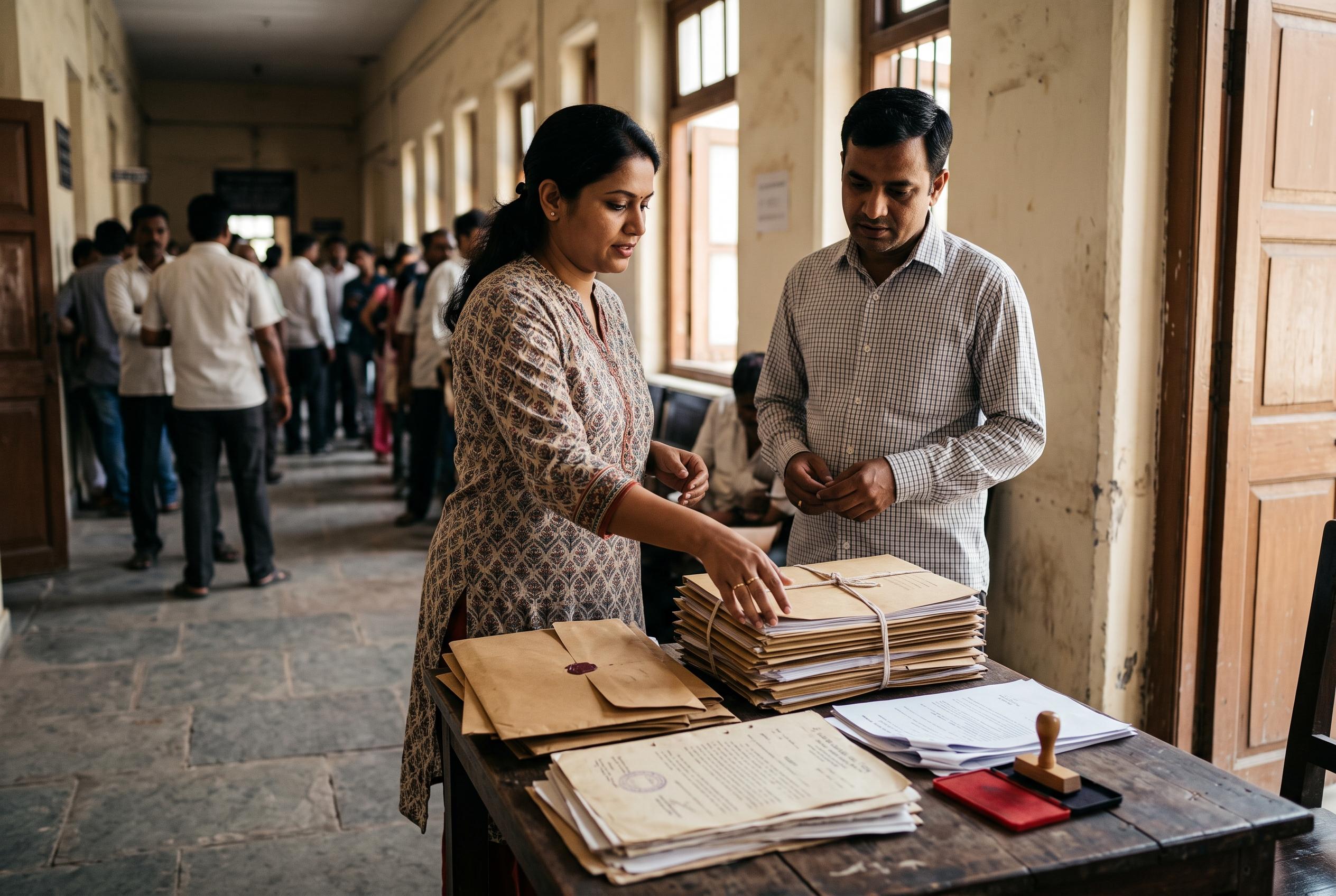

A recent Hyderabad ruling underscores the importance of lenders returning original property papers within 30 days after loan repayment, with banks held accountable for delays or loss, prompting stricter compliance and borrower vigilance.
A housing loan is not fully concluded until the lender hands back the borrower’s original property papers. That point has gained fresh attention after the Hyderabad District Consumer Disputes Redressal Commission held a bank liable for failing to return a borrower’s documents, ordering the branch manager to either restore the originals and related records or arrange reconstructed, certified copies at the bank’s expense. The commission also directed compensation of about ₹2 lakh, plus roughly ₹15,000 in costs.
The rules are clear. According to the Reserve Bank of India, regulated lenders, including banks, housing finance companies and non-banking financial companies, must return all original property documents and remove the registered charge within 30 days of full repayment or settlement. Industry lawyers say borrowers should check the inventory carefully before collecting the file, because the lender’s duty extends to every document deposited as security, including title deeds, allotment letters, builder-buyer agreements and possession papers where relevant.
If papers are delayed or lost, the first step is to file a written complaint with the branch and the lender’s grievance officer. Lawyers say the complaint should identify the loan account, attach the no-dues certificate and refer to the RBI’s 30-day rule. If the response is inadequate, the borrower can escalate the matter to the RBI’s Integrated Ombudsman. Where the documents have gone missing, the lender should be asked to lodge a police complaint, publish a public notice and help obtain certified copies at its own cost.
Consumer law specialists say the bank cannot avoid responsibility by blaming internal mistakes. Under the RBI framework, delays can attract compensation of ₹5,000 a day, while loss of the papers can trigger liability for the cost of reconstruction as well as damages for inconvenience and mental distress. In serious cases, borrowers may also pursue a consumer complaint, and a civil suit may be appropriate if there is a dispute over title, indemnity or broader losses.
Experts also stress the value of keeping a clean paper trail. Borrowers should retain scanned copies of all original documents, insist on a written receipt when papers are deposited, preserve the sanction letter and keep every exchange with the lender in writing. If the originals are lost, certified copies can serve as secondary evidence under Indian law, but lawyers note that missing originals can still lead to extra scrutiny, slower transactions and possible pressure on the property’s market value.
Disclaimer: This article is intended to inform and educate, not to recommend or endorse any financial product, investment or strategy. Please consider your own financial circumstances and seek professional advice where appropriate before making financial decisions.