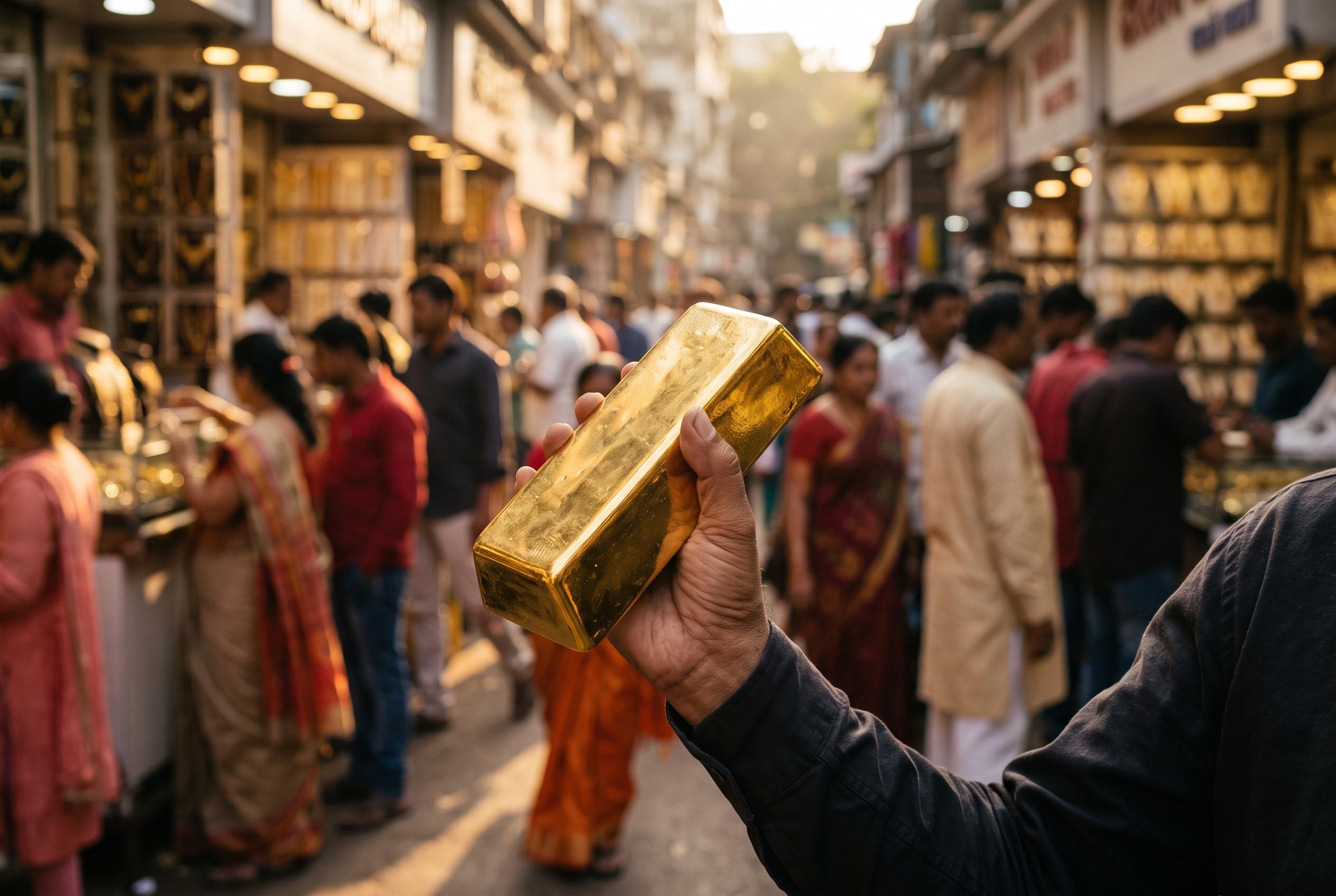

Prime Minister Narendra Modi’s recent appeal to curb gold purchases underscores India’s ongoing struggle to manage its dependence on imported bullion amid elevated prices and persistent household demand, despite increased import duties and regulatory measures.
Prime Minister Narendra Modi’s renewed appeal on 2 September 2026 for Indians to avoid unnecessary gold purchases has underlined that Delhi is not signalling any retreat from its tougher import stance. Since his first intervention in May, import volumes have fallen, but the trade remains economically sensitive: government data show ₹10,040 crore in customs duty was collected on gold imports between 13 May and 2 August, while the Times of India reported that the quantity of imports has dropped even as the value of shipments has stayed high because bullion prices remain elevated. (business-standard.com)
The tax change was more than a simple tweak. A Finance Ministry notification effective from 13 May raised the import duty on gold and silver to 15 per cent from 6 per cent, and on platinum to 15.4 per cent from 6.4 per cent. Official explanations at the time said the move was intended to conserve foreign exchange, protect macroeconomic stability and restrain non-essential imports as the West Asia crisis threatened oil costs and shipping routes. (ddnews.gov.in)
Modi first set out that argument on 10 May, when he urged households to defer non-essential gold buying for a year and also cut fuel use and foreign travel. According to the Indian Express, he pressed people to use public transport, electric vehicles and revived work-from-home arrangements, saying: “Use metros wherever metros are available… All of this will reduce dependency on petrol and diesel, and thereby cut the dependence on foreign currency.” When he repeated the message on 2 September, he did so while hailing stronger-than-expected 7.8 per cent GDP growth, tying personal austerity to a wider case for economic resilience and self-reliance. (indianexpress.com)
The concern is rooted in India’s structural dependence on imported bullion. Moneycontrol reported that the country consumes roughly 700 to 800 tonnes of gold a year but produces only about 1 to 2 tonnes domestically, leaving it reliant on imports for more than 90 per cent of supply. Gold accounts for nearly 9 per cent of the import bill, that report said, and the Indian Express put the previous year’s outlay at about $72 billion. Unlike the Reserve Bank of India’s gold buying for reserves, household purchases mean an immediate outflow of dollars that can widen the current-account gap and add pressure to the rupee. (moneycontrol.com)
Trade figures suggest the squeeze was building even before the summer. Moneycontrol said imports were close to 100 tonnes in January, about 65 to 66 tonnes in February, then fell to around 20 to 22 tonnes in March and an estimated 15 tonnes in April, with industry participants blaming supply disruptions, delays in bank authorisations, customs clearances and uncertainty over taxes. After the duty hike, The Tribune quoted a senior Finance Ministry official as saying monthly imports had slumped from 75-100 tonnes to 25-30 tonnes, a fall of almost 70 per cent. Yet value has not dropped in step: the Times of India said unit import values were 94 per cent higher than a year earlier in June and, even after easing, remained 47 per cent above year-earlier levels. (moneycontrol.com)
That split helps explain why ministers are still focused on the import bill even as jewellers report weaker demand. The Tribune said May gold imports rose 34 per cent year on year in value terms to $3.41 billion, while imports in April and May together were up 60.14 per cent to $9.04 billion. For the last financial year, it reported, the value of gold imports hit a record $71.98 billion even though imported volume slipped 4.76 per cent to 721.03 tonnes. At the same time, Business Standard reported that the finance ministry told parliament there is no official estimate of how much idle household gold exists, complicating one of the government’s longer-running policy ambitions. (tribuneindia.com)
The clampdown has also had an enforcement edge. In a Lok Sabha reply cited by Business Standard, customs authorities registered 287 cases, seized 160.91kg of gold and arrested 116 people between 13 May and 30 June. Economists are meanwhile pressing for something more durable than repeated public appeals or higher tariffs. The Tribune reported that Shamika Ravi, a member of the Economic Advisory Council to the Prime Minister, argued on 3 June that India should broaden gold monetisation beyond traditional gold loans and create more financial instruments linked to the metal to reduce dependence on imports. (business-standard.com)
For now, the government’s message is that duty relief is not imminent. The Times of India said Modi’s latest intervention appeared to end speculation that the levy might be reviewed, while official explanations in May stressed that foreign exchange should be preserved for essentials such as crude oil, fertilisers, industrial raw materials, defence equipment, critical technologies and capital goods. With the festival and wedding season approaching and recycling of old jewellery reportedly increasing, the next few months will show whether high prices, high taxes and patriotic appeals can curb demand for one of India’s most entrenched stores of wealth. (timesofindia.indiatimes.com)
Disclaimer: This article is intended to inform and educate, not to recommend or endorse any financial product, investment or strategy. Please consider your own financial circumstances and seek professional advice where appropriate before making financial decisions.