

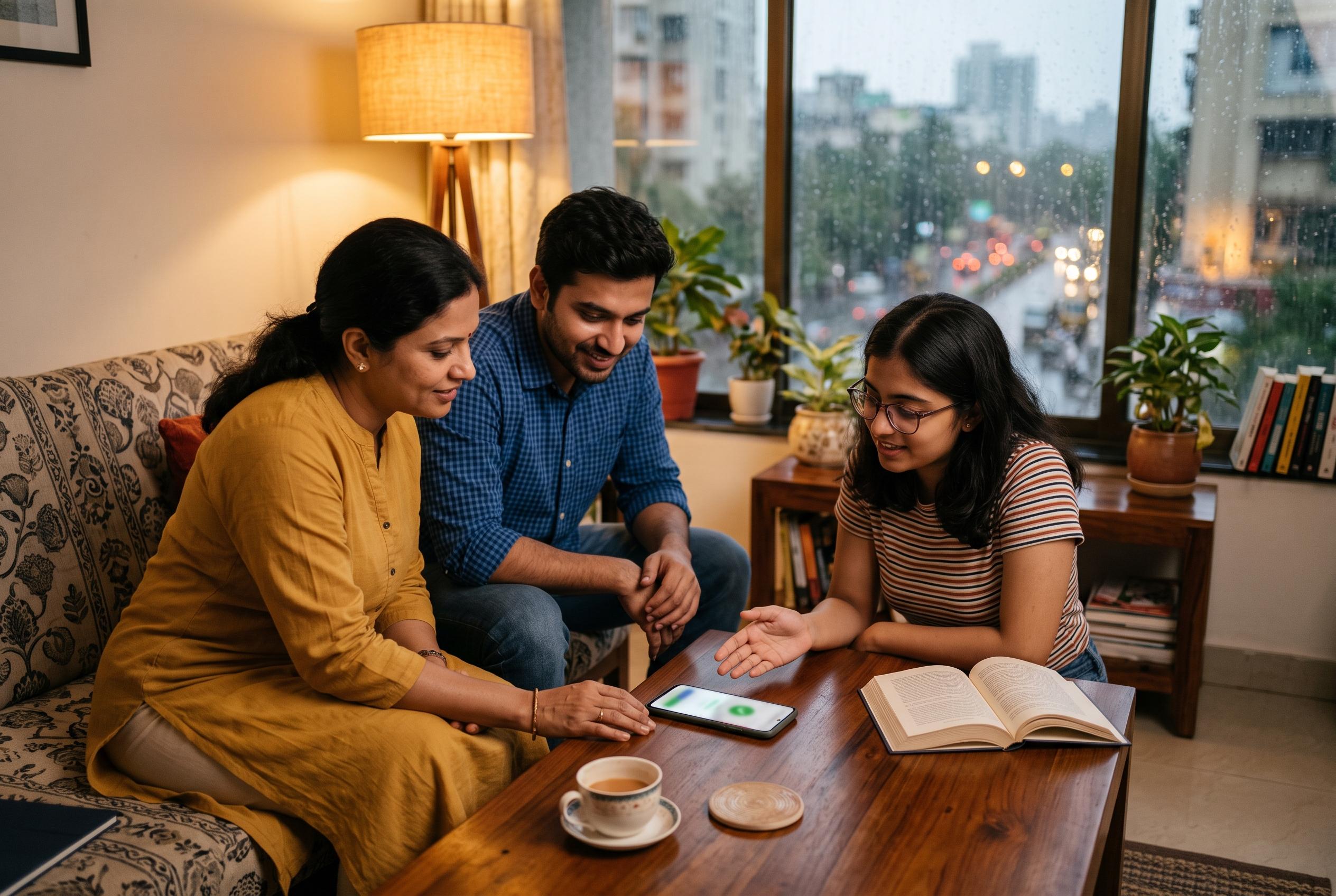

Meta has introduced bill payments on WhatsApp in India, transforming the app into a comprehensive platform for routine household transactions, challenging established digital payment giants in the country’s sizeable market.
Meta has begun rolling out bill payments on WhatsApp in India, broadening the app’s role from chats and peer-to-peer transfers to the sort of routine household transactions that usually sit inside specialist payments apps. The service, announced on Thursday, 3 September 2026, is built on Bharat Connect and gives users access to 22,722 billers across 30 categories, with the company saying it will reach Android and iOS users in phases over the coming weeks. (about.fb.com)
The pitch is convenience. In Meta’s announcement, Arun Srinivas, the company’s managing director and country head in India, said Indians already use WhatsApp to speak to businesses, access citizen services and buy everything from metro tickets to insurance. Bill payments, he said, are meant to end “juggling apps” and make the process “as effortless as sending a message”. The Indian Express reported that the product has been designed so users can complete the whole task without moving to another app. (about.fb.com)
Meta’s core list of supported bills includes electricity, gas, water, FASTag, insurance, credit-card payments and loan repayments. Moneycontrol reported that mobile and DTH recharges are also supported through the Bharat Connect network, while Mint said recurring payments can be added inside WhatsApp. Users can pay by UPI, debit card or credit card, giving the feature much of the flexibility already familiar to customers of India’s larger bill-payment platforms. (about.fb.com)
The in-app journey is straightforward, according to Meta, Moneycontrol and Mint. Users tap the rupee symbol on the home screen, choose a bill category and provider, enter their customer details, and let WhatsApp fetch the outstanding amount before confirming payment. Previously used billers are shown on the payments page for faster repeat use, upcoming bills can be viewed in the same area, and multiple accounts can be attached to one provider – useful for anyone handling a family home, an office and other properties from a single login. (about.fb.com)
The network underpinning the launch may be more familiar to many Indian users under its former name. The New Indian Express noted that Bharat Connect was previously known as the Bharat Bill Payment System, or BBPS. By tying into that rail, WhatsApp is plugging itself into an existing national bill-payment infrastructure rather than building separate arrangements biller by biller. Meta is presenting the move as an extension of services it has already added in India, including phone recharges, metro ticket bookings and access to government chatbots. (newindianexpress.com)
That also puts WhatsApp more squarely into one of India’s most contested consumer-finance markets. India Today said the feature places the messaging app in direct competition with PhonePe and Google Pay, both heavy users of Bharat Connect. Citing data from the National Payments Corporation of India, the publication said the two rivals together account for more than 80 per cent of India’s UPI and digital utility-payment market, underlining how much ground WhatsApp still has to make up even with its vast audience. (indiatoday.in)
The timing suggests a measured rather than instant national switch-on. Moneycontrol reported that the roll-out began on 3 September, while Mint and Meta both said it would continue in stages across India and would not appear on every Android or iOS account at once. Taken together, those updates suggest Meta is expanding the service cautiously instead of throwing it open to the whole market in a single release. (moneycontrol.com)
For users, the immediate significance is simple enough: a chat app that already handled transfers and recharges is now moving further into the monthly admin of running a household. For Meta, the larger wager is on habit. If people start using WhatsApp not just to talk, top up a phone or book a metro ride, but also to track dues and settle them on time, the app becomes harder to dislodge from daily financial life, even in a market where entrenched payments players still dominate. (about.fb.com)
Disclaimer: This article is intended to inform and educate, not to recommend or endorse any financial product, investment or strategy. Please consider your own financial circumstances and seek professional advice where appropriate before making financial decisions.



