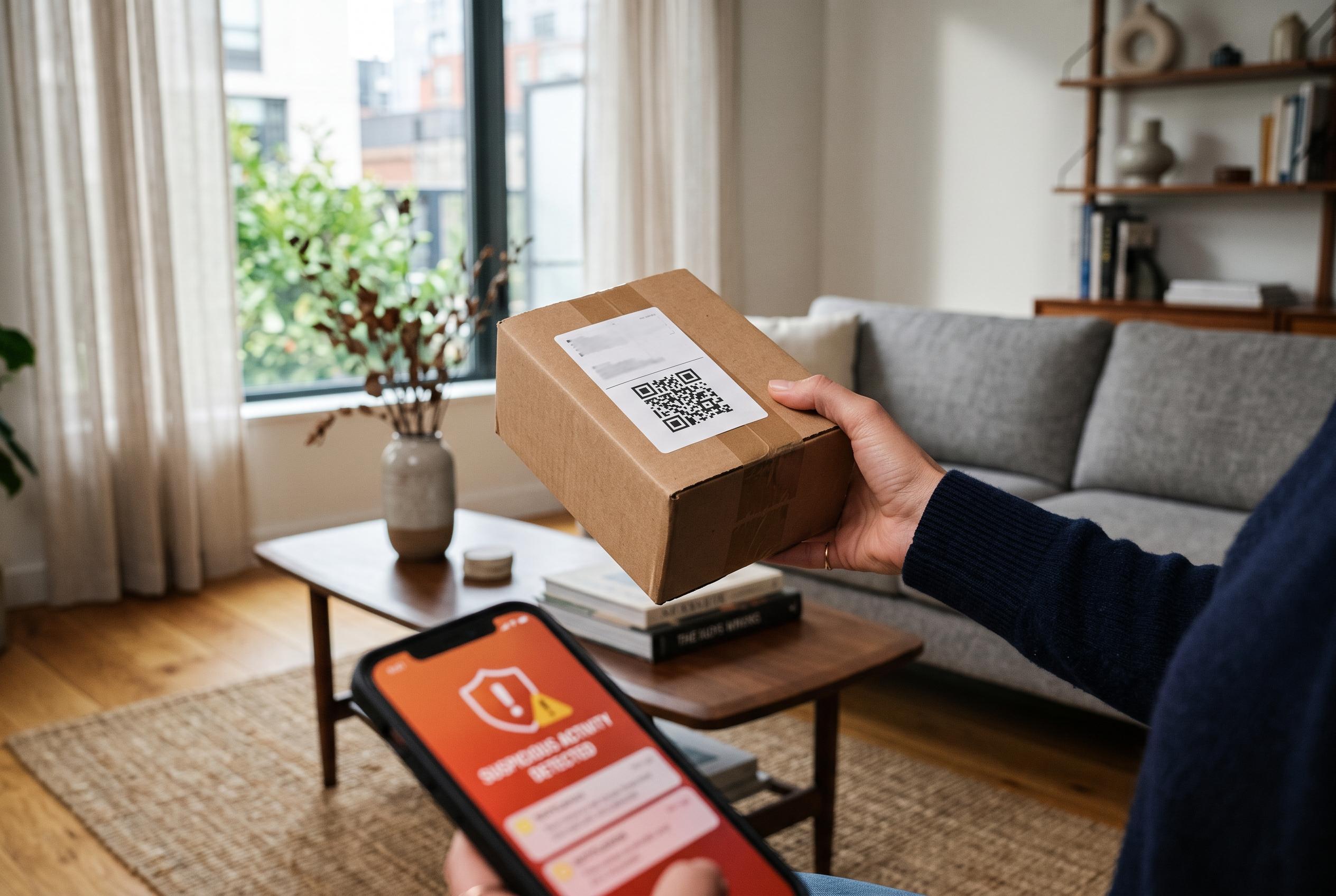

Receiving unexpected parcels could be a warning sign of brushing scams, which use fake deliveries and malicious QR codes to steal personal information. Experts advise caution and proactive security measures to protect yourself.
An unexpected delivery can be more than a nuisance. The Federal Trade Commission says a package you never ordered may be a sign that someone is using your personal information in a so-called brushing scam, a scheme in which sellers send cheap goods to real names and addresses so they can post fake reviews and inflate their credibility. The item itself may be trivial, but the information behind it is not.
The FTC says the receipt of an unsolicited parcel does not automatically mean identity theft has already happened. But it can indicate that your name, address or online account details are in circulation. That makes the package a warning sign, not proof, and it is a reminder to pay attention before curiosity leads to a mistake.
One of the biggest risks is any QR code tucked into the box. The FTC warns that scanning an unknown code could send recipients to a phishing site designed to steal login credentials, payment details or other sensitive information. Consumer security guides from McAfee and others say these scams often rely on low-value items such as inexpensive trinkets or seeds to make the delivery look harmless.
The safest response is practical rather than dramatic. The FTC recommends changing passwords on shopping accounts, especially if the parcel appears linked to a marketplace such as Amazon, and checking credit reports for unfamiliar activity. It also advises reporting suspicious packages at ReportFraud.ftc.gov and using IdentityTheft.gov if there are signs that personal information has been misused. Consumers do not need to pay for unordered merchandise, and they should avoid calling unknown senders or scanning any code included with the delivery.
Disclaimer: This article is intended to inform and educate, not to recommend or endorse any financial product, investment or strategy. Please consider your own financial circumstances and seek professional advice where appropriate before making financial decisions.