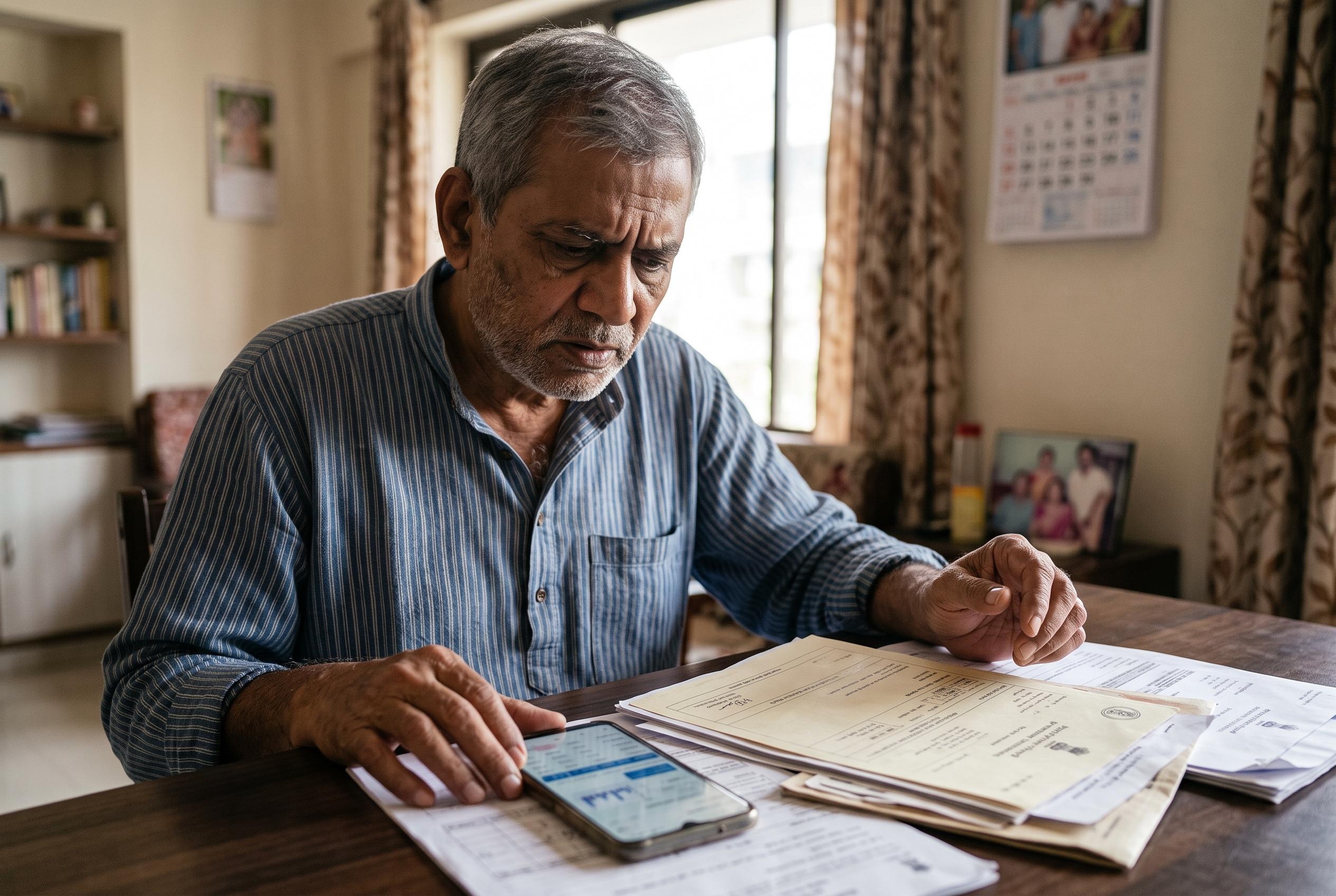

As health risks increase after 60, Indian seniors must navigate rising premiums, complex policy features, and regulatory guidelines to protect their savings and access vital medical care.
For older adults, health cover is less about peace of mind than preserving savings. In India, insurers and advisers say the risks rise sharply after 60, when hospital stays, surgery, tests and long-term treatment become more likely and medical bills can quickly strain retirement income. The policy itself matters as much as the promise: premiums, waiting periods, co-payments and network hospitals can determine whether a plan is genuinely useful when it is needed most.
Industry and regulatory guidance also shape what buyers can expect. The Insurance Regulatory and Development Authority of India says health products should cater to different ages, medical histories and treatment needs, and current guidance limits the waiting period for pre-existing disease cover to 36 months. That detail is crucial, because pre-existing illnesses are often the biggest concern for senior applicants and are usually the main reason claims are delayed or restricted early on.
Premium pricing is another hurdle. Insurers generally factor in age, health status, past claims and medical risk when setting rates, which is why cover for older applicants tends to cost more. Some plans also impose co-payment, meaning the customer must pay a fixed share of a claim. A lower premium may therefore come with higher out-of-pocket costs later, so the cheapest policy on paper is not necessarily the best value in practice.
Coverage details deserve close scrutiny. Senior citizens should look beyond basic hospitalisation and check whether the plan also includes day-care treatment, domiciliary care, ambulance charges, outpatient consultations and post-hospitalisation expenses. A broad hospital network matters too, especially for people who rely on cashless treatment or need regular specialist care. Under IRDAI rules, insurers are expected to process cashless pre-authorisation requests quickly, which can be a significant advantage in emergencies.
Other features can add real value. Restoration benefits, no-claim bonuses, room-rent limits, sub-limits and exclusions can all affect how much of a bill is actually paid. Add-ons such as critical illness cover, home nursing or personal accident protection may also help, but only if the policy wording matches the buyer’s needs. For that reason, insurers and advisers say applicants should read the Customer Information Sheet and full policy document carefully before buying.
Disclaimer: This article is intended to inform and educate, not to recommend or endorse any financial product, investment or strategy. Please consider your own financial circumstances and seek professional advice where appropriate before making financial decisions.