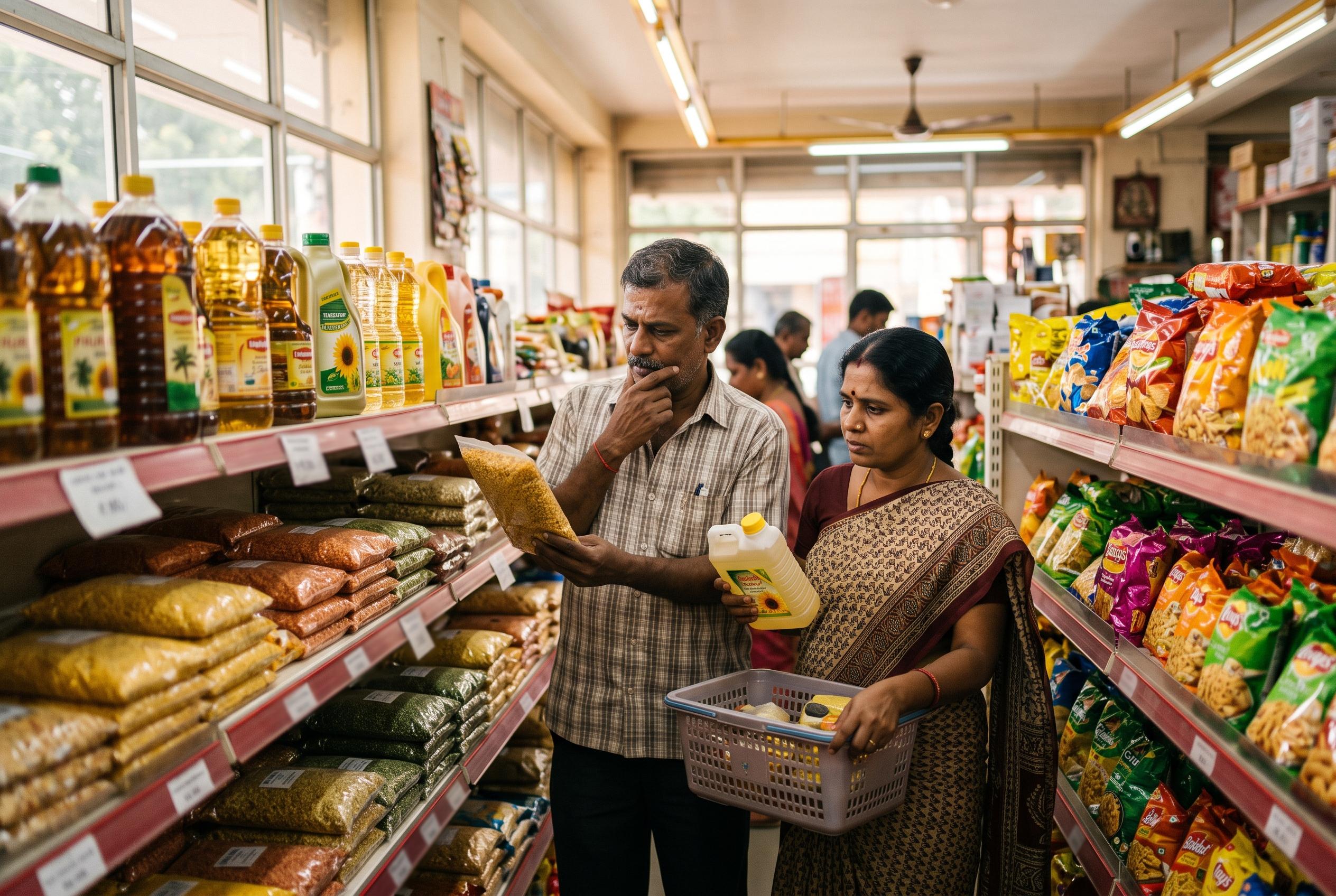

India’s food inflation is now driven more by protein-rich staples, processed foods, and imported edible oils, as weather risks and global prices add pressure, according to the August 2026 government report.
India’s food inflation is changing shape, with protein-rich staples, processed foods and edible oils now doing more of the heavy lifting on prices, according to the finance ministry’s August 2026 monthly economic report. Consumer Food Price Index inflation rose to 5.52 per cent in July from 5.32 per cent in June, even though the pace of increase eased from the previous two months. The report said protein-rich foods, including fish, and processed products such as sugar, confectionery and beverages were the main drivers of food and beverage inflation during the month.
The ministry said the pressure was no longer centred mainly on vegetables. Fruits and nuts still added to food inflation, while cereals and cereal products became more important between April and July. Milk, chicken, mutton, fish, refined oil, onion and arhar or tur dal all recorded notable price gains in July, underscoring how broad the increases have become.
Imported edible oils are emerging as a particular concern. The report pointed to firm global vegetable oil prices and said India’s reliance on imported crude palm, soybean and sunflower oils could keep domestic costs elevated. It noted that the FAO Vegetable Oil Price Index remained high in July and that domestic edible oil inflation rose steadily from 2.82 per cent in March to 7.84 per cent in July as higher landed costs filtered through to retail prices.
Weather remains the other major risk. The report warned that persistent El Niño conditions could weaken or unevenly distribute the monsoon, putting crop yields and food prices under renewed strain. It said particular attention may be needed for pulses, oilseeds, rice and other rainfall-sensitive crops, while also stressing that irrigation, procurement and public stocks can soften the impact. Separately, the government has moved to allow duty-free raw sugar imports under a tariff-rate quota and to curb stockpiling by institutional buyers ahead of the festive season, as it tries to steady supplies and contain prices. The ministry also said onion and garlic inflation remained elevated in July, reflecting damage to stored produce after unseasonal hail and rain in Maharashtra and Madhya Pradesh.
Disclaimer: This article is intended to inform and educate, not to recommend or endorse any financial product, investment or strategy. Please consider your own financial circumstances and seek professional advice where appropriate before making financial decisions.