

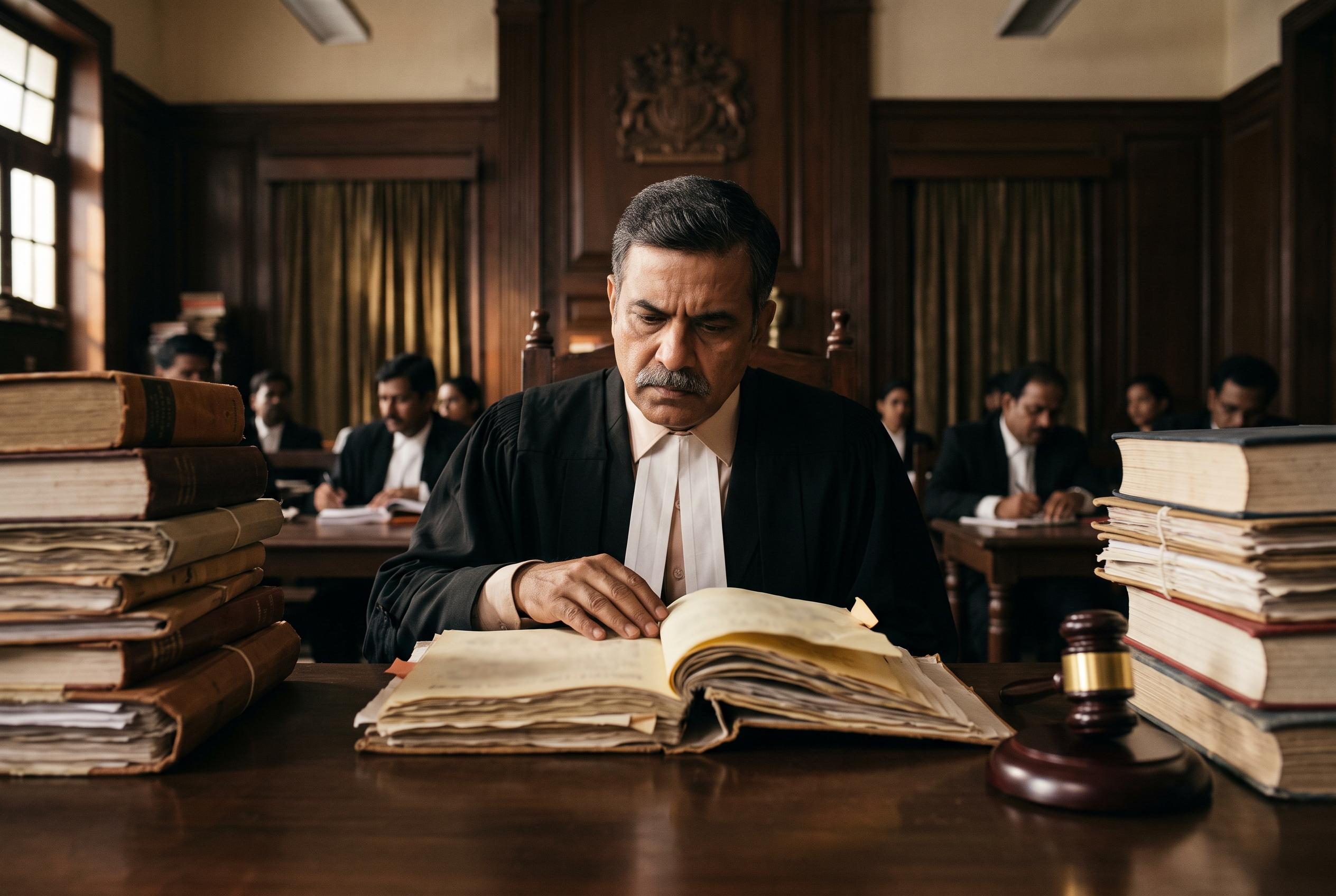

The Mumbai bench of the Income Tax Appellate Tribunal has held that Section 263 cannot be used to re-open assessments based solely on potential deeper inquiries, emphasising detailed prior examination by assessing officers.
The Mumbai bench of the Income Tax Appellate Tribunal has said the Principal Commissioner of Income Tax cannot use Section 263 to reopen an assessment simply because a deeper inquiry might have been possible. In a ruling that turns on the line between a missed inquiry and an inquiry the commissioner considers too thin, the tribunal held that revision is not justified unless the record shows a concrete error and resulting prejudice to the Revenue.
The dispute arose from a scrutiny assessment in which the taxpayer had returned a loss of about Rs.7.14 crore, only for the assessing officer to complete the case on March 31, 2024 with total income assessed at roughly Rs.193.11 crore. According to the assessment record, the officer made substantial additions and disallowances, including interest disallowance of more than Rs.191.55 crore, deemed rental income, a disallowance linked to sub-leasing charges and a recharacterisation of common area maintenance charges as rental income.
The commissioner later concluded that nine areas had not been properly examined, including flat sales, project management consultancy income, municipal charges, unfinished work provisions, delayed statutory dues, legal fees, rent, brokerage, write-offs, MSME payables, employee benefit provisions, related-party dealings and work-in-progress. But the tribunal said the assessment file showed detailed questionnaires, replies and supporting documents on those very issues, which undercut the claim that the officer had conducted no meaningful inquiry.
On revenue from operations, the tribunal noted that the assessing officer had asked for party-wise contract receipts and sales above Rs.1 crore, received information on 118 parties and sought explanations on revenue recognition, Form 26AS reconciliations, unsold flats and completion certificates. It also pointed out that the officer had separately examined common area maintenance charges and made an addition, showing the matter was not accepted at face value.
The same reasoning applied to expenditure and liabilities. The tribunal found that municipal charges, unfinished-work provisions, finance costs and statutory dues were all touched on in the questionnaires, and that the officer had already disallowed a very large amount of interest under Section 36(1)(iii). It also said that higher spending than in the previous year does not, by itself, prove that an allowance was wrong or that the order was prejudicial.
The commissioner’s reliance on MSME trade payables, tax dues and employee benefit provisions also failed, the tribunal said. It noted that the provision dealing with late payment to micro and small enterprises was inserted only from April 1, 2024 and therefore did not apply to assessment year 2022-23. It further found that the taxpayer had already disallowed unpaid gratuity and leave encashment, while tax and GST liabilities had either been paid or disclosed in the audit report.
Related-party transactions and possible deemed dividend treatment under Section 2(22)(e) were likewise held to have been examined, since the assessing officer had called for shareholding details and information on inter-corporate deposits. The tribunal said the commissioner had not identified a single transaction, expense or receipt that was clearly inadmissible or wrongly ignored. It therefore quashed the revision order dated March 28, 2026, stressing that Section 263 cannot be used as a vehicle for a second round of investigation merely because the revisional authority would have preferred a fuller probe.
Disclaimer: This article is intended to inform and educate, not to recommend or endorse any financial product, investment or strategy. Please consider your own financial circumstances and seek professional advice where appropriate before making financial decisions.



