

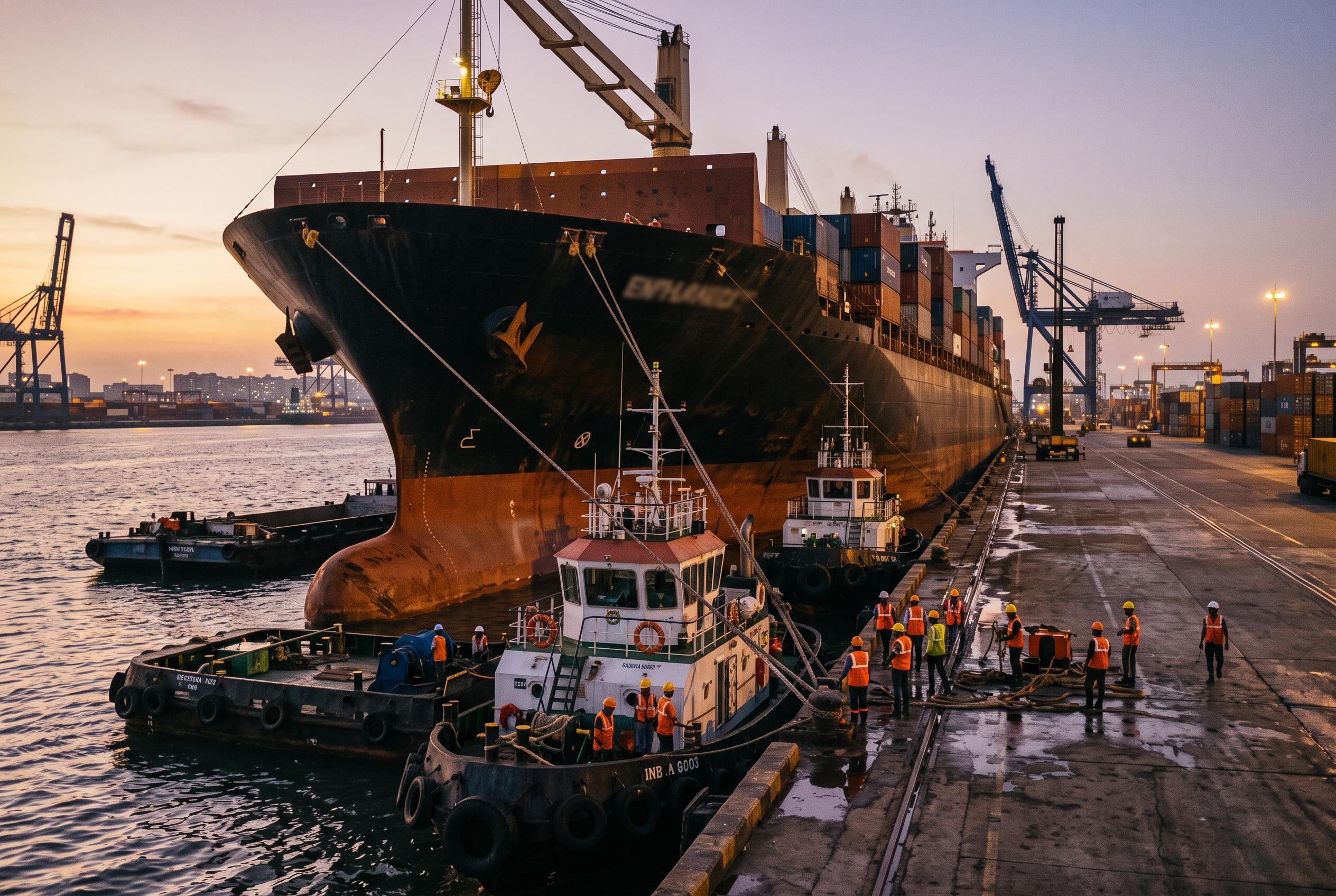

India’s shipping ministry has reinstated relaxed regulations allowing foreign-flagged vessels to operate in coastal trade, aiming to ensure shipping capacity during global disruptions despite domestic industry debates.
India’s shipping ministry has restored a set of relaxations that allow foreign-flagged vessels to carry certain cargo between Indian ports, keeping coastal trade open to overseas operators at a time of global shipping disruption and tight capacity. The move, formalised in an order dated August 10, reverses earlier steps taken in January and March this year that had sought to tighten the regime and phase out the transitional dispensation first introduced in 2018.
According to the ministry, the retreat from those earlier orders is intended to give maritime shippers greater policy stability and operational certainty while exporters and importers continue to face uncertainty in global logistics networks. The decision also means India will continue to prioritise available tonnage over exclusivity for domestic carriers in the eligible coastal cargo segment, extending competition for Indian-flagged shipping companies.
Industry executives said the government has chosen continuity over another regulatory shift. Jagannarayan Padmanabhan, senior director and global head of consulting at Crisil Intelligence, told The Hindu BusinessLine that the step effectively preserves the existing status quo for shippers and shipping lines, while leaving Indian-flagged operators to compete with foreign carriers for the same cargo. Maritime trade expert Rajesh Menon said the arrangement was needed to ensure there were enough ships available for India’s export-import trade.
Not everyone was persuaded by the reversal. A former official of the department questioned why the government had reinstated the earlier relaxations after previously reviewing them and moving to withdraw them this year, arguing that the latest justification appeared vague after an extensive policy review. The criticism reflects a wider tension in Indian shipping policy between supporting domestic tonnage and avoiding bottlenecks in a trade system that remains exposed to geopolitical shocks.
Disclaimer: This article is intended to inform and educate, not to recommend or endorse any financial product, investment or strategy. Please consider your own financial circumstances and seek professional advice where appropriate before making financial decisions.



