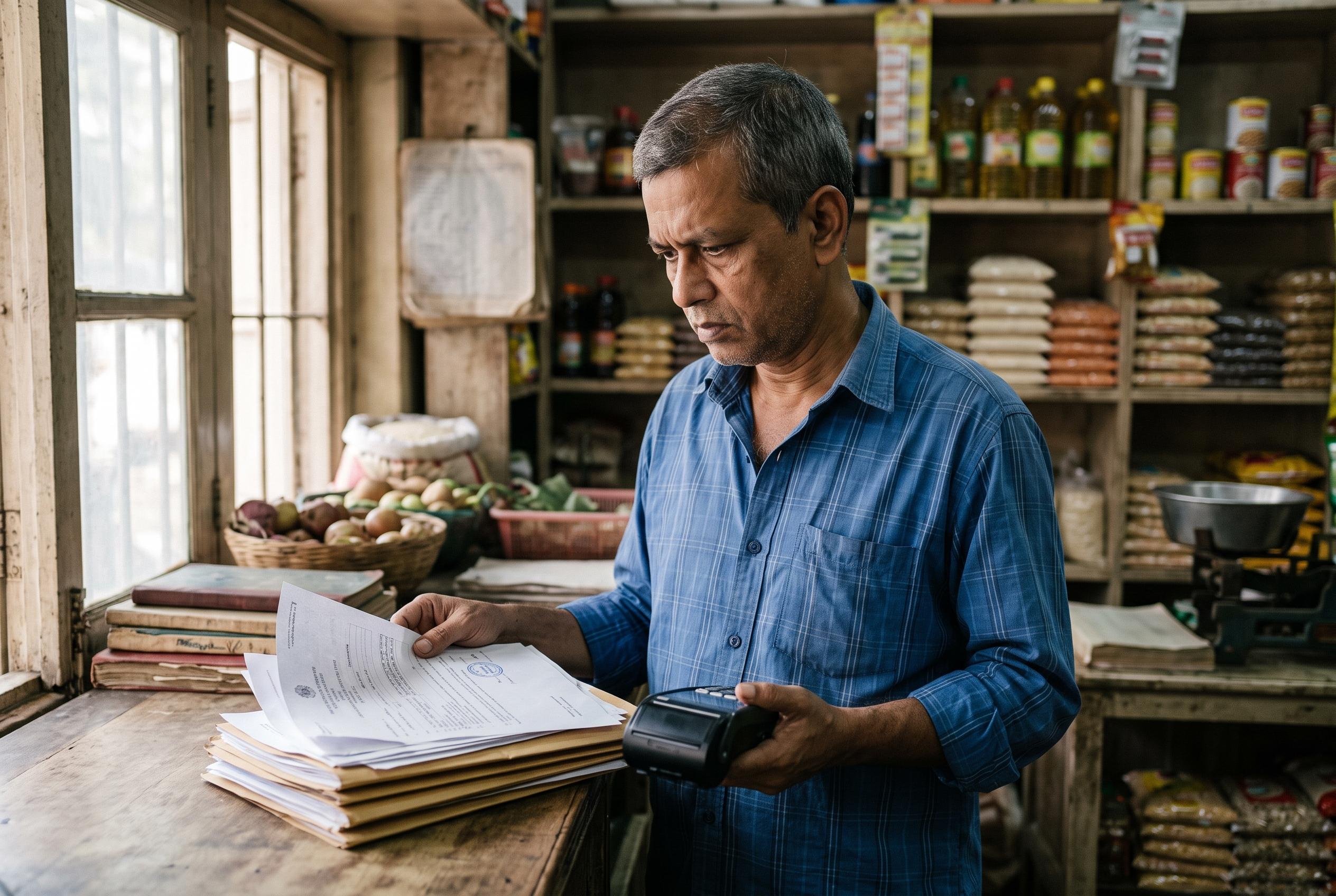

As India implements a series of pricing and regulatory changes from 1 September, households and small firms face rising costs in LPG, dairy, and banking fees, alongside stricter tax and digital security measures that could impact everyday expenses.
For households and small firms, 1 September is more than a date on the calendar: it is a reset point for a string of pricing and compliance changes that can affect kitchen budgets, credit card bills and tax filings.
The lead item says monthly changes are due across several categories, starting with liquefied petroleum gas, where state-owned oil marketing companies typically reset prices on the first day of each month. In September 2023, those revisions came after a run of earlier cuts to commercial cylinders, and the sector’s pricing pattern showed how quickly costs can move for restaurants, caterers and other businesses that rely on 19 kg cylinders.
That matters because commercial LPG prices feed directly into the cost of eating out and running small food businesses. Reuters and other Indian outlets reported that the 19 kg cylinder was cut by ₹158 on 1 September 2023, taking the Delhi rate to ₹1,522, while Kochi’s price fell to ₹1,537.50. The same reports noted that domestic LPG had already been reduced earlier, including a ₹200 cut announced by the central government on Raksha Bandhan, adding to hopes of further relief for consumers.
The broader household budget picture was less cheerful elsewhere. The lead article flags higher milk and dairy prices as another possible pressure point, citing rising feed, transport and processing costs. If those increases are passed on, they would hit staples such as milk, paneer, yoghurt and butter, with the greatest impact likely to fall on middle-class families that buy these items every day.
Banks were also tightening card rules. The article says lenders including HDFC Bank, ICICI Bank and SBI Card were preparing changes to reward points on utility bills, while some third-party rent and education payments could attract extra transaction charges. Changes to the minimum amount due formula could also make revolving balances more expensive for customers who do not clear their bills in full, which would raise interest costs over time.
On the tax and compliance side, the lead article points to stricter checks around return verification, e-invoicing and GST reporting. The aim, it says, is to curb bogus input tax credit claims and ensure that small and medium businesses keep their digital billing systems updated. That kind of change may not be visible to most consumers, but it can quickly affect cash flow and access to e-way bills for traders and suppliers.
Finally, the article says the Reserve Bank of India’s UDGAM portal is being used to speed up the return of unclaimed deposits, while the telecom regulator is moving to block unauthorised promotional calls and messages from financial institutions. If fully enforced, only authenticated messages and one-time passwords should reach customers, which would be a welcome step against fraud in a country where digital banking is now part of daily life.
Disclaimer: This article is intended to inform and educate, not to recommend or endorse any financial product, investment or strategy. Please consider your own financial circumstances and seek professional advice where appropriate before making financial decisions.