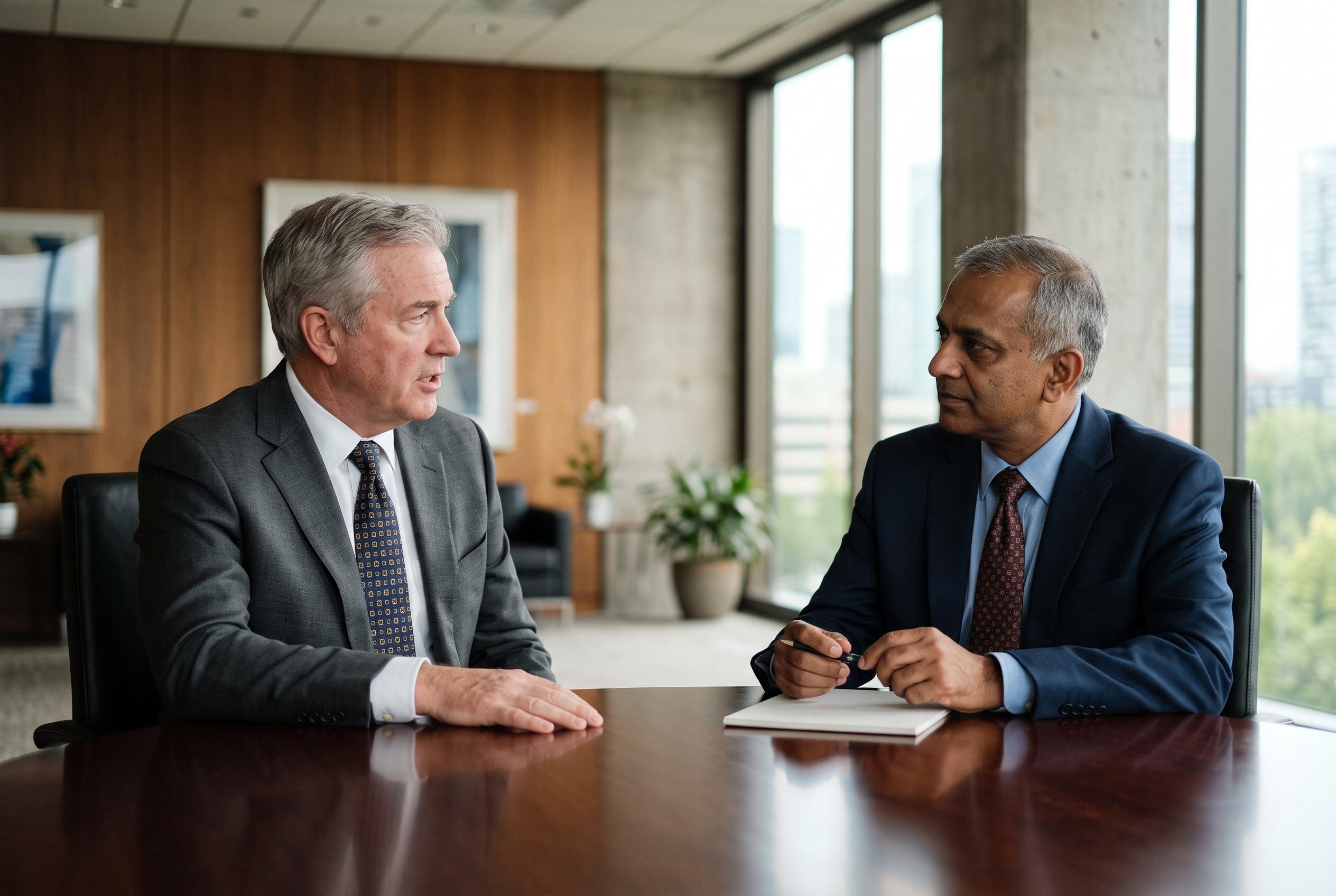

European Union Ambassador Hervé Delphin describes a stronger, more pragmatic phase in EU-India negotiations as a potential game-changer, pushing closer to a landmark free trade agreement amid strategic cooperation across key sectors.
European Union Ambassador Hervé Delphin says India and the EU are entering a stronger phase in their relationship, with both sides showing greater strategic understanding and comfort as negotiations on a long-discussed free trade agreement move closer to completion. In comments to ANI, Delphin said the partnership now extends across a wide range of fields, reflecting what he described as a more practical and realistic approach on both sides.
Delphin said the latest round of talks should be seen as a fresh phase rather than a simple extension of earlier negotiations. He argued that the key breakthrough came from both sides quickly identifying where they wanted to engage and where their red lines lay. According to the ambassador, that approach helped avoid wasted effort and gave the talks momentum, particularly from 2025 onward. Business Standard reported in June that he expected the pact could be signed by year-end and take effect in early 2027.
The envoy also said the agreement is being shaped by the broader political need to diversify supply chains and reduce dependence on a single market. He pointed to cooperation in semiconductors, clean technology, pharmaceuticals and agri-food, as well as wider work through the India-EU Trade and Technology Council and an investment protection agreement. In an address posted by the European External Action Service, Delphin said the deal would cover market access, intellectual property, digital trade and dispute settlement, while offering substantial concessions on both sides.
Asked about the European Union’s Carbon Border Adjustment Mechanism, Delphin said the policy is aimed at preventing carbon leakage and encouraging lower emissions. He said its impact on India would be concentrated mainly in steel and iron, which account for most of the high-carbon exports to Europe, and argued that lower-emission Indian producers could benefit as the EU remains a net importer of steel. He said the issue should be handled through continued consultation and mutual understanding. Separate reports from Times of India and Tribune India have also quoted him as calling the broader trade deal a potentially transformative step for bilateral ties.
Disclaimer: This article is intended to inform and educate, not to recommend or endorse any financial product, investment or strategy. Please consider your own financial circumstances and seek professional advice where appropriate before making financial decisions.