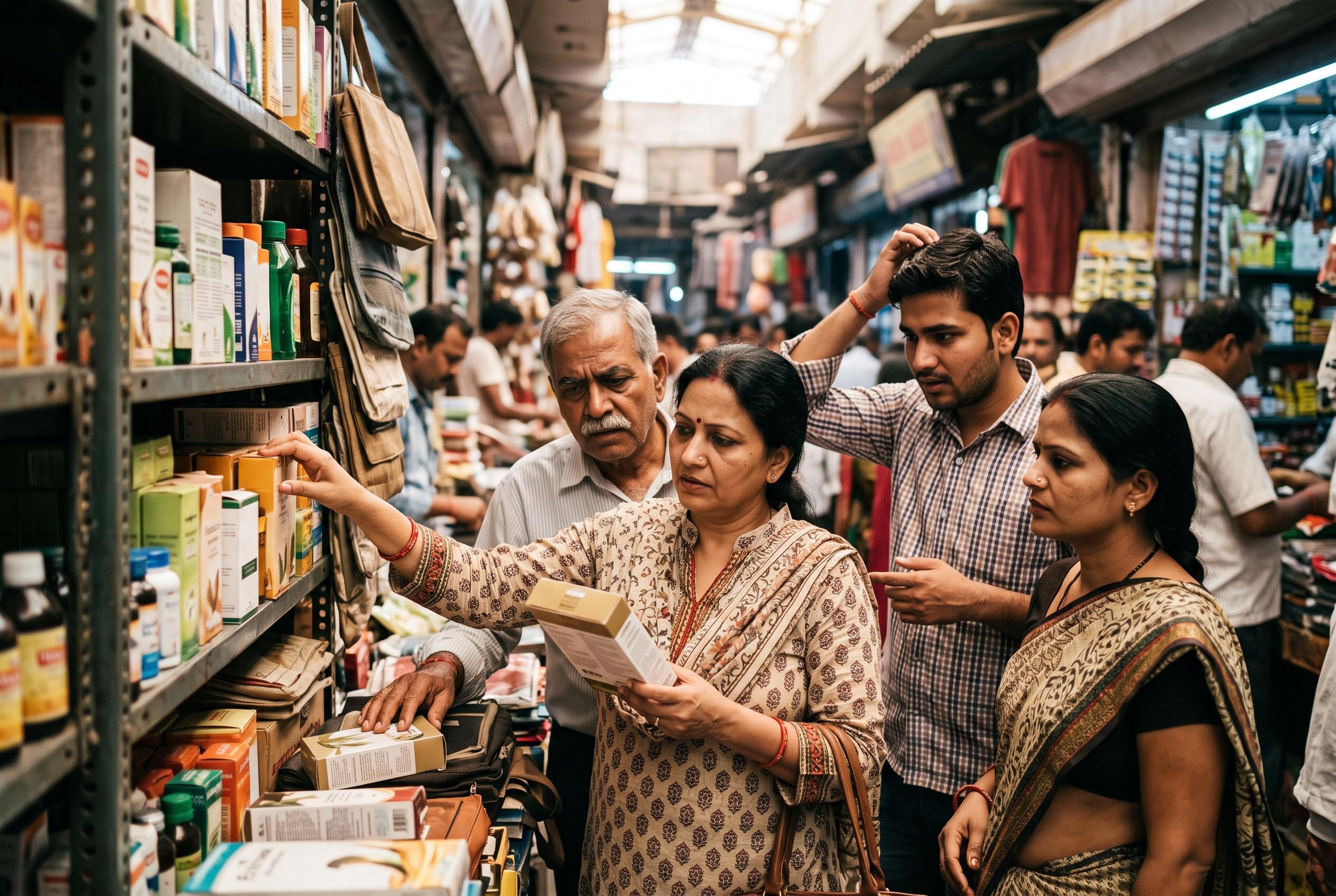

A new survey reveals that nearly 90% of Indian consumers have purchased counterfeit goods, highlighting the urgent need for improved verification methods and public education to combat the rising tide of fakes across multiple sectors.
The Authentication Solution Providers’ Association is urging Indian shoppers to become more cautious about fake goods after a new survey suggested counterfeiting is now a routine part of consumer life in the country. At its “Fake Free India” event in Hyderabad, the trade body presented findings from the ASPA–CRISIL State of Counterfeiting in India 2025 report, saying the problem calls for stronger public awareness and simpler ways to check whether products are genuine.
The survey, which covered 1,639 consumers in nine cities and six sectors including apparel, fast-moving consumer goods, car parts, consumer durables, healthcare products and agro-products, found that 89% had bought a counterfeit item at least once in their lives. It also showed that 35% had come across a fake product in the past year, while respondents estimated that almost 29% of goods in local markets could be counterfeit. Most also believed the problem was worsening: 74% said counterfeiting had risen in their area over the previous 12 months.
The report suggested the issue is especially visible in southern cities. Hyderabad recorded the highest share of respondents who said they had encountered counterfeit goods in the past year, at 46%, ahead of Chennai on 39% and Bengaluru on 33%. Across product categories, apparel was seen as the most vulnerable, followed by consumer electronics, healthcare products, FMCG, agrochemicals and automotive parts, underscoring that the threat reaches far beyond a single industry.
ASPA said the findings point to a major gap between consumer intent and actual verification habits. While 62% of respondents said they now check authenticity before buying, only 34% look at holograms, 23% scan QR codes and 13% use digital identity checks. Many still rely on packaging and branding alone, which the association says leaves room for deception. It wants broader use of secure packaging, serialisation, QR-based checks and track-and-trace systems, alongside more public education. In the report, ASPA president Ankit Gupta said counterfeiting should be treated as a wake-up call, while vice-president Nakul Pasricha and consumer policy expert Bejon Kumar Misra argued that authentication must be easy, affordable and centred on the consumer rather than left to brands alone.
Disclaimer: This article is intended to inform and educate, not to recommend or endorse any financial product, investment or strategy. Please consider your own financial circumstances and seek professional advice where appropriate before making financial decisions.