

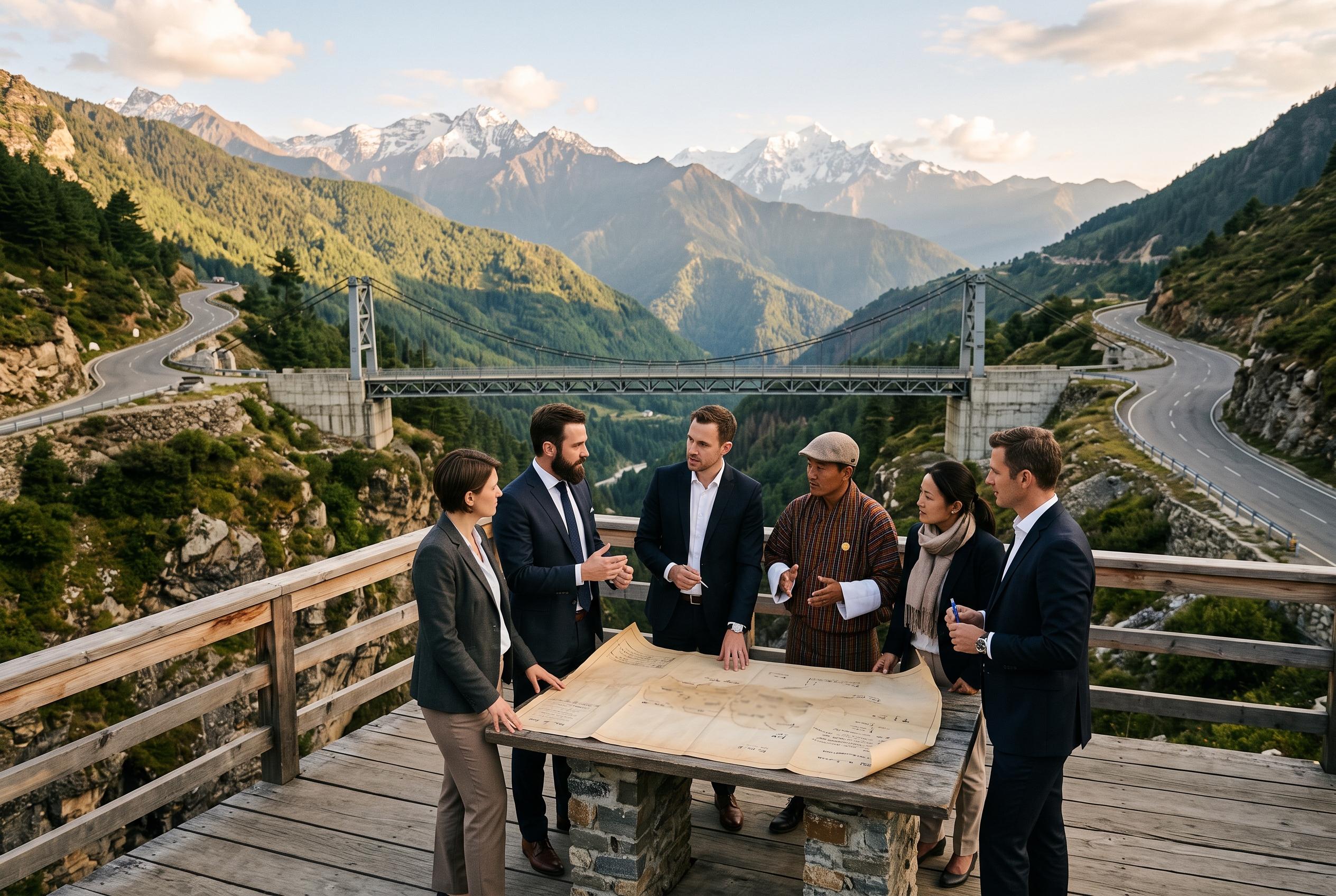

India and Bhutan are forging a more equal and comprehensive strategic partnership, characterised by legal reforms, economic cooperation, and enhanced connectivity, marking a shift towards long-term regional stability.
India and Bhutan’s relationship has steadily evolved from a post-colonial friendship into a more equal strategic partnership, shaped by the 1949 treaty and its 2007 replacement. The newer accord marked a decisive shift: it dropped language that had once required Bhutan to be guided by India on external relations and replaced it with a framework built on mutual cooperation, sovereignty and non-interference, reflecting Bhutan’s democratic transition and a more modern diplomatic footing.
That legal reset has been matched by closer practical cooperation. According to the lead article, Prime Minister Tshering Tobgay recently congratulated Narendra Modi on India’s Independence Day and India’s leader reaffirmed New Delhi’s commitment to Bhutan’s sovereignty, prosperity and gross national happiness. The article also says the two sides have moved towards a more structured development model, with India’s support aligned to Bhutan’s 13th Five-Year Plan rather than delivered as a loose collection of projects.
The development agenda now runs across several fronts. India’s planned assistance package includes support for health care, urban infrastructure, disaster resilience and Bhutan’s economic stimulus programme, while high-level diplomacy has continued to underline Bhutan’s place in India’s Neighbourhood First policy. On energy, the partnership is widening beyond state-to-state projects: the lead article says JSW Energy and Bhutan’s Druk Green Power Corporation have agreed to develop the 920MW Punatsangchhu-III hydropower project, and that an export-credit line from India’s state-backed bank is being used to fund renewable energy work.
Connectivity has become another defining feature. The article describes new land and customs routes, expanded postal and payments links, and rail-related logistics links on the Indian side as part of a broader effort to turn the border into a corridor for trade, travel and digital exchange. It also points to cooperation on flood monitoring, glacier risk and hydrological data, which matters in a region where climate shocks can quickly become cross-border crises. Taken together, the relationship now looks less like traditional aid and more like a long-term compact: politically cautious, economically intertwined and anchored in a shared interest in stability.
Disclaimer: This article is intended to inform and educate, not to recommend or endorse any financial product, investment or strategy. Please consider your own financial circumstances and seek professional advice where appropriate before making financial decisions.



