
Bengaluru-based Zetwerk files for an IPO, highlighting its transition from marketplace model to integrated manufacturing, as it faces profit pressures and reliance on third-party suppliers.
Zetwerk is heading towards the public markets with a business that is bigger, more complex and more capital-intensive than the one it presented to investors when it last raised private funding in 2018. The Bengaluru-based contract manufacturer has filed an updated draft prospectus for an IPO that would include a fresh issue of up to ₹2,600 crore and an offer for sale of as many as 9.68 crore shares, according to its filing and reports on the updated document. The company’s pitch rests on fast-growing manufacturing revenues, a broader order book and a shift into higher-value work, but investors will also have to weigh thin margins, persistent cash outflows and reliance on third-party suppliers.
Financially, Zetwerk is still growing quickly. Revenue from continuing operations rose 40.4% in FY26 to ₹15,913 crore, while adjusted EBITDA climbed more than fourfold to ₹421.3 crore, the filing shows. Even so, its adjusted EBITDA margin eased to 2.65% from 2.85% a year earlier, and the company reported a consolidated loss of ₹1,606 crore, sharply wider than the previous year, after exceptional and impairment charges. Moneycontrol and the Financial Express both reported revenue at about ₹15,900 crore and said the company’s order book had crossed ₹12,000 crore, underlining the scale of the business even as profitability remains under strain.
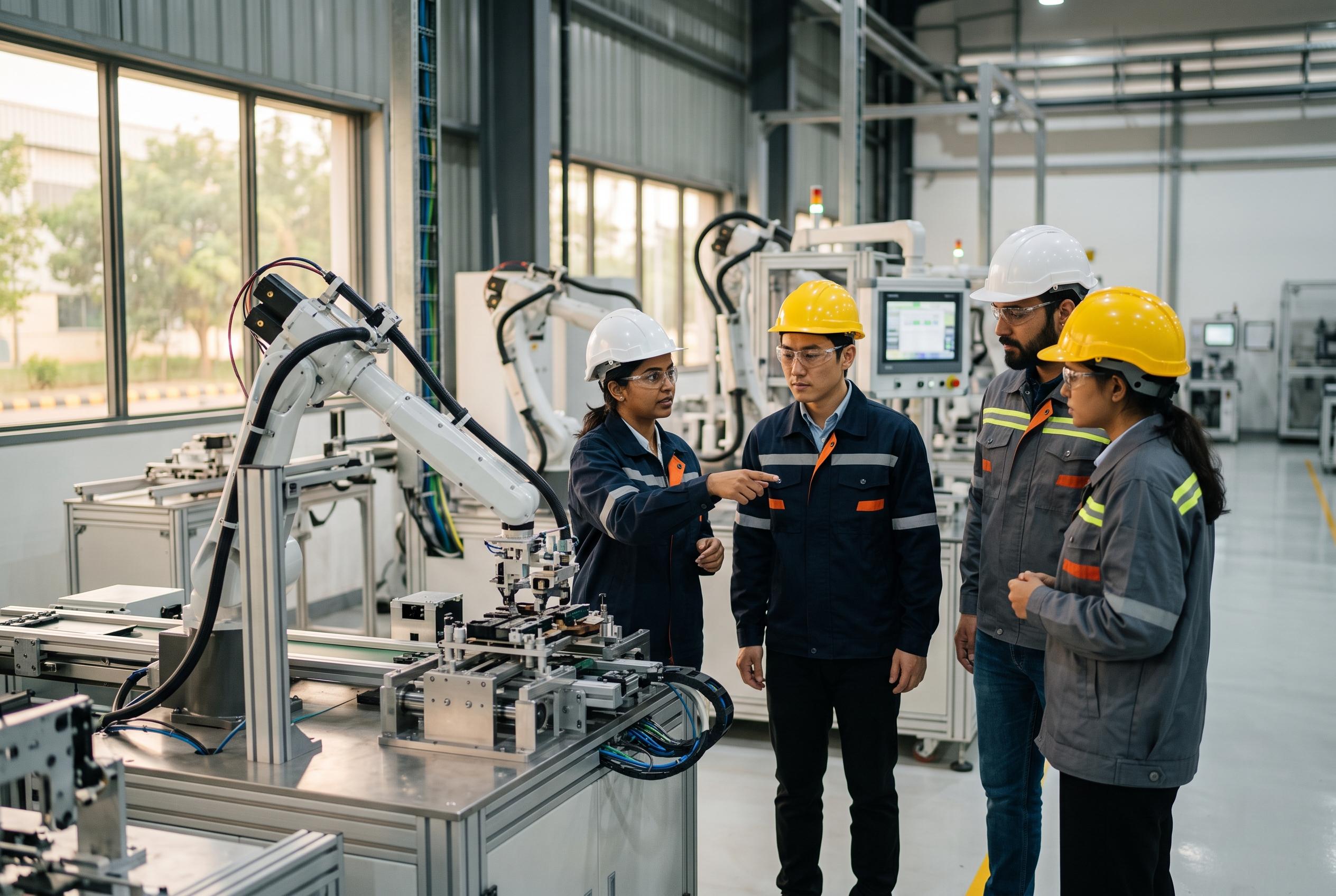
The most important change is strategic. Zetwerk has moved well beyond the marketplace model that originally defined it, and now combines its supplier network with 26 manufacturing facilities across four countries. According to the company’s filings, manufacturing revenue rose 50% to ₹9,374.7 crore in FY26 and accounted for 58.9% of sales, while the contribution from in-house plants increased to 13.9% of gross merchandise value from 8.3% in FY25. The company is also taking on more complex engineering and design work, particularly in areas such as transformers for artificial intelligence data centres, process plant machinery, metal fabrication and defence.
That shift strengthens the investment case, but it does not remove the pressure on cash. Zetwerk ended FY26 with a manufacturing order book of ₹12,370 crore, up 43.4% year on year, and won new manufacturing orders worth ₹15,393 crore during the year. Yet its net operating cash outflow widened to ₹681.5 crore from ₹386.3 crore in FY25, reflecting the working-capital demands of carrying inventory and receivables for larger contracts. CRISIL, according to Moneycontrol, has kept a negative outlook on the company’s debt facilities, citing concerns over profitability and leverage.
Supplier dependence remains another key issue. The filing shows that products sourced from third-party manufacturers still made up more than 80% of revenue in the manufacturing and ecosystem segment, even though that share has fallen from 96.51% in FY24. Zetwerk’s top 10 suppliers accounted for 38.18% of total continuing expenses in FY26, which leaves the business exposed to partner capacity and pricing. The company is using part of the IPO proceeds to reduce debt, with ₹1,250 crore earmarked for repayment at the parent level and another ₹550 crore for borrowings at subsidiaries, but the market will ultimately judge whether revenue growth, a broader sector mix and a larger order book are enough to offset weak cash generation and a still-unproven transition to higher-margin manufacturing.
Disclaimer: This article is intended to inform and educate, not to recommend or endorse any financial product, investment or strategy. Please consider your own financial circumstances and seek professional advice where appropriate before making financial decisions.