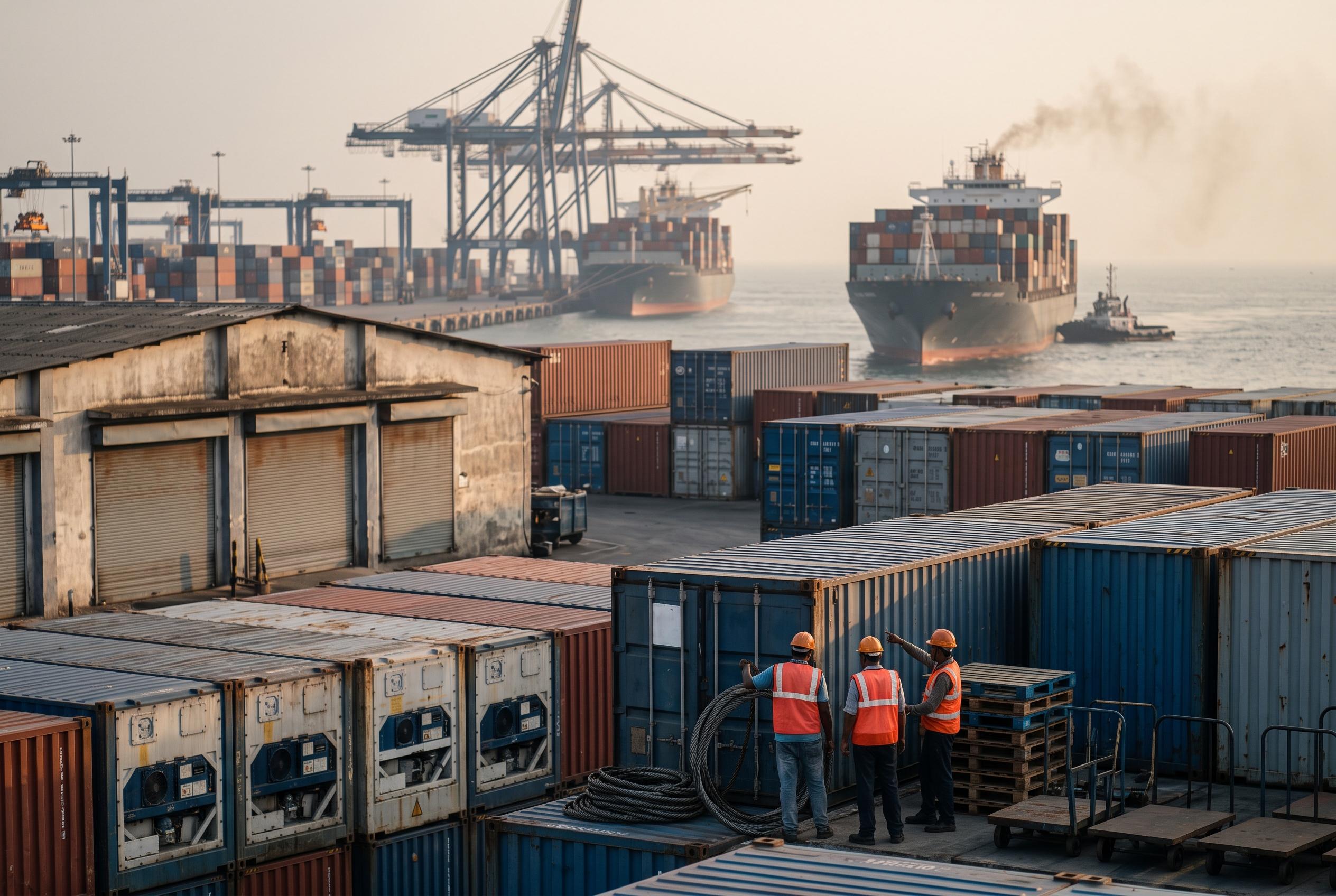

India’s merchandise trade gap widened to a six-month high in July due to increased import costs driven by higher oil and electronics purchases, while record exports and services exports offered some relief amidst rising shipping rates and regional disruptions.
India’s merchandise trade gap widened to a six-month high in July as higher import costs from the West Asia conflict and firmer global freight rates outweighed a record month for exports, according to government data. The deficit reached $31.98 billion, above Reuters’ poll forecast of $30.20 billion and wider than June’s $30.43 billion, underscoring renewed pressure on the country’s external accounts.
Imports climbed to $76.22 billion from $70.84 billion in June, with the trade ministry citing a sharper oil bill, heavier purchases of electronics and increased gold buying. Electronics imports, including chips, rose more than 44% from a year earlier to $14.37 billion, while gold imports edged up to $4.16 billion.
Exports, however, also strengthened. Shipments abroad hit a record $44.24 billion for July, topping the previous July high set in 2022, with gains in petroleum products, electronics and engineering goods. Trade secretary Rajesh Agrawal said exports to West Asia rose 8.6% year on year to $5.7 billion, while the United States remained the biggest market for Indian goods in the April-July period.
Services continued to cushion the goods deficit. Official estimates put services exports at $35.89 billion in July and services imports at $18.94 billion, leaving a surplus of $16.95 billion. Even so, analysts said the wider merchandise gap could add to pressure on the rupee and capital inflows if energy prices and shipping costs stay elevated.
Exporters are already feeling the strain. Freight rates from South Asia to the US and Europe have risen sharply in recent weeks, and rates to West Asia remain high because of regional disruption, fuel costs and tight vessel capacity. Industry groups say the result has been delayed shipments, stranded cargo and weaker margins for companies selling rice, textiles, pharmaceuticals and engineering goods.
Disclaimer: This article is intended to inform and educate, not to recommend or endorse any financial product, investment or strategy. Please consider your own financial circumstances and seek professional advice where appropriate before making financial decisions.