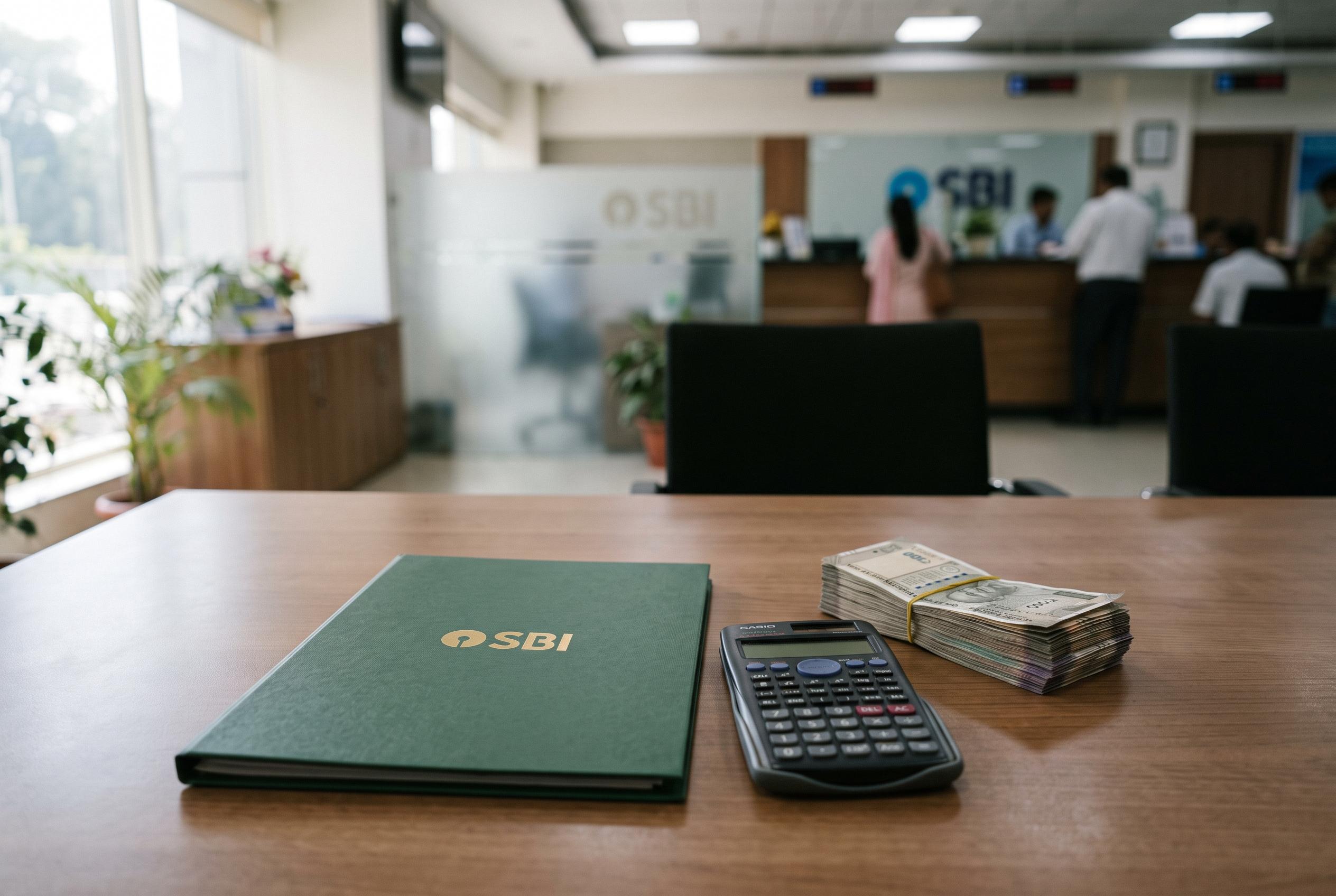

State Bank of India will begin levying a fee of ₹15 plus GST on cash withdrawals exceeding four free transactions per month in its basic savings bank deposit accounts from October 2026, aligning charges across channels and encouraging digital transactions.
State Bank of India will start levying a fee on some cash withdrawals from basic savings bank deposit accounts opened through its branch network from October 1, 2026, adding another layer of cost for customers who exceed the monthly free limit. According to a notice to customers reported by The Hindu BusinessLine, the first four cash withdrawals each month will remain free, including transactions at SBI and other banks’ ATMs as well as at branches, but later withdrawals will cost ₹15 plus goods and services tax per transaction.
The bank’s basic savings product is meant to provide low-cost access to banking for people who have valid know-your-customer, or KYC, documents. SBI says these accounts have no minimum balance requirement and are available at all branches, while digital transactions remain free without limit. The account does not come with a cheque book, although customers can withdraw cash using a withdrawal slip at a branch or a basic RuPay ATM-cum-debit card. SBI also says a customer cannot hold another savings account at the same time as a basic savings deposit account, and any existing savings account must be closed within 30 days of opening the basic account.
The move appears to tighten a fee structure that has been in place for some time. SBI’s own account information says the basic savings deposit account is designed for individuals with limited banking needs and offers a free RuPay card, no minimum balance and no upper balance cap. Earlier reporting by LiveMint and The Economic Times said SBI had already revised charges for this account type in 2021, when cash withdrawal fees beyond the free limit were also set at ₹15 plus GST. NewsBytes reported that the latest change is intended to standardise withdrawal charges across channels for basic account holders.
For customers, the practical message is simple: small, occasional cash use will still be inexpensive, but frequent branch or ATM withdrawals can now add up. That makes the account more suitable for people who mainly rely on digital payments and only need limited cash access, which is consistent with the purpose of the basic savings category.
Disclaimer: This article is intended to inform and educate, not to recommend or endorse any financial product, investment or strategy. Please consider your own financial circumstances and seek professional advice where appropriate before making financial decisions.