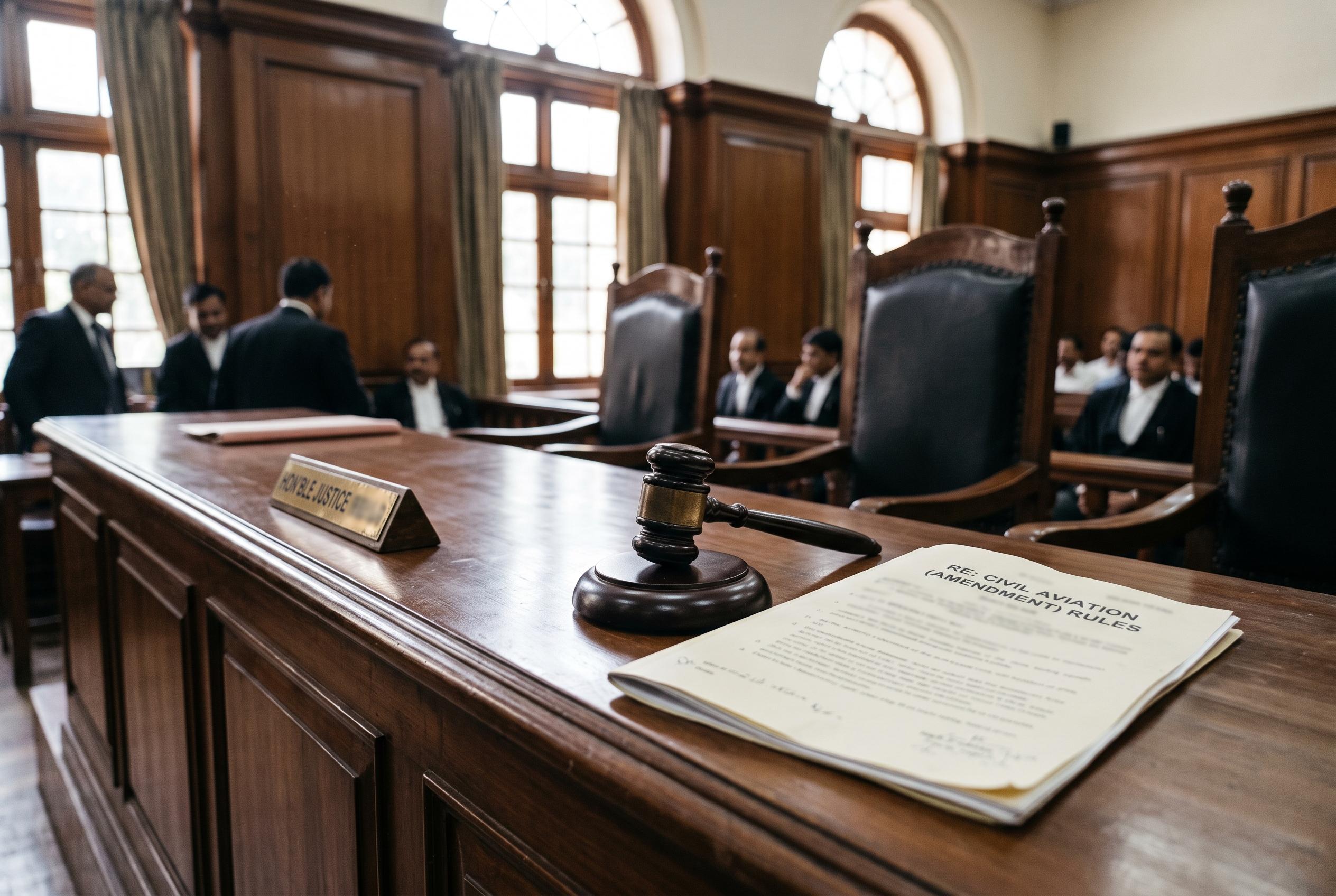

The Supreme Court of India has directed the government to implement long-overdue aviation rules within three weeks, intensifying scrutiny over airline pricing and consumer rights in the country’s burgeoning civil aviation sector.
The Supreme Court of India has pressed the Centre to bring in long-delayed aviation rules within three weeks, as judges sharpen scrutiny of airline pricing and compliance in a case that has become a test of consumer protection in the fast-growing civil aviation market.
On 18 August, a bench of Justices Vikram Nath and Sandeep Mehta told the government to move quickly on the rules under the Bharatiya Vayuyan Adhiniyam, 2024, and warned carriers that they must follow regulations closely. “If airlines are not complying, ground them,” the court said, according to multiple Indian media reports. The Centre submitted draft rules in a sealed cover and said final discussions were still under way.
The court also questioned whether the draft framework would be backed by a truly effective regulator. It accepted the Centre’s request for more time and listed the matter for further hearing on 7 September. The bench had earlier asked the government to place the draft rules before it after concerns over steep fare increases and airline charges.
The case stems from a public interest petition filed by social activist S Laxminarayanan, who is seeking an independent aviation regulator and clearer controls on airfares and add-on fees. The plea says private airlines have cut free checked-baggage allowances on economy tickets from 25 kg to 15 kg and are using extra charges to boost revenue, while passengers face pricing that can change sharply and without warning. The court has previously described high airfares as “exploitation”, according to the reporting.
Disclaimer: This article is intended to inform and educate, not to recommend or endorse any financial product, investment or strategy. Please consider your own financial circumstances and seek professional advice where appropriate before making financial decisions.