

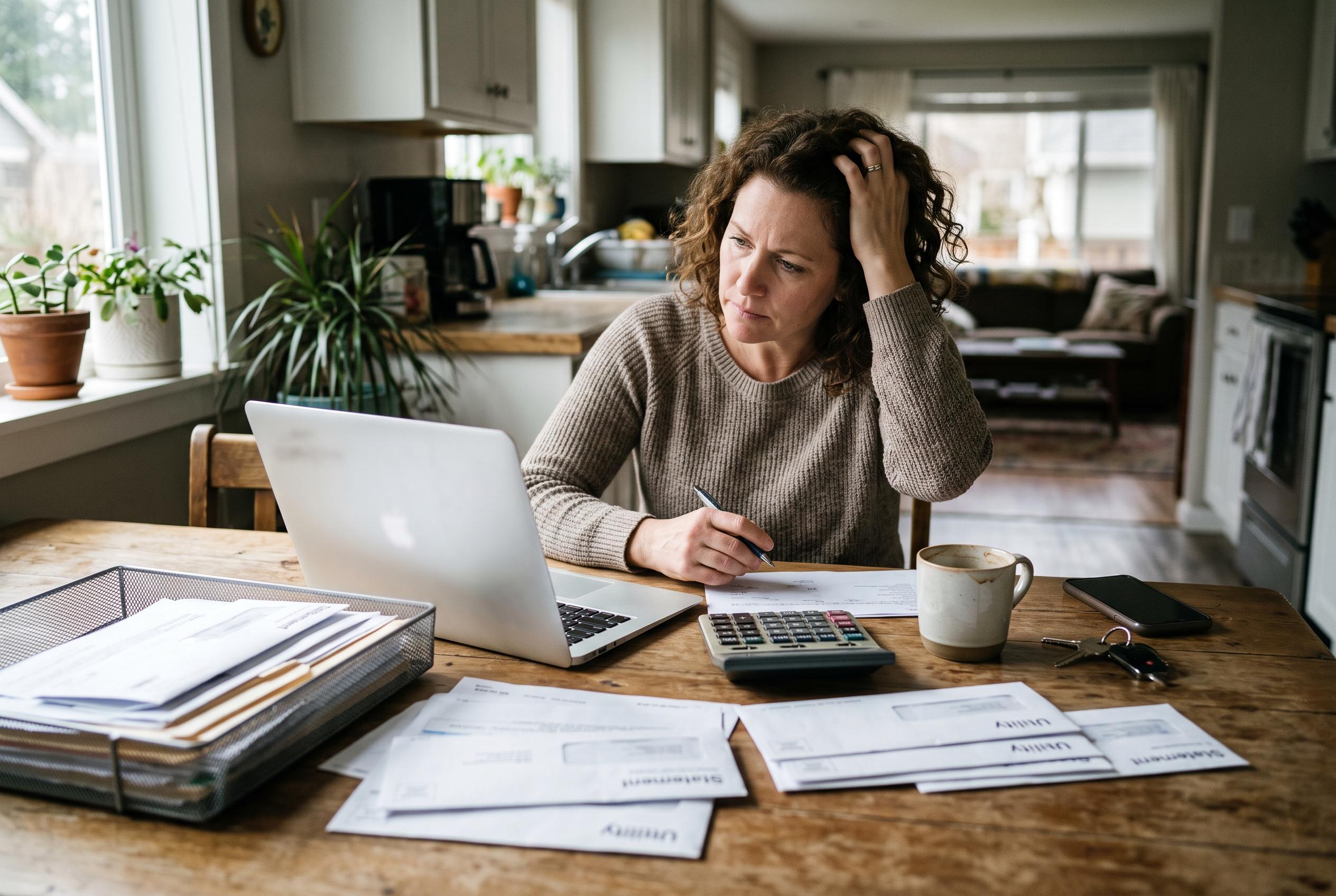

Buy-now-pay-later (BNPL) companies are increasingly offering loans for utilities, rent, and essential bills, signalling a shift in short-term credit use as household budgets tighten and critics warn of potential risks.
Buy-now-pay-later lending is moving far beyond sneakers and laptops and into the bills that keep households running. According to The New York Times, services once aimed at optional spending are now being marketed for electricity, broadband, health insurance, rent and other recurring costs, a sign that short-term credit is becoming woven into everyday money management.
The most striking examples are coming from companies such as Flex, Zip and Affirm. The New York Times reported that Flex and Zip now let customers borrow for utilities, mortgage payments, water bills and similar essentials, while Affirm has begun a limited rent-financing pilot that lets tenants spread one monthly payment over a longer period. Intuit has also added “File Now, Pay Later” loans for TurboTax users who owe money on their returns.
The expansion reflects a wider squeeze on household budgets. Federal Reserve economists found Americans spent $160 billion through pay-later loans last year, nearly twice the amount in 2023, while LendingTree data showed half of users said they could not make ends meet without the financing. Consumer advocates warn that the model may ease immediate pressure but still leaves borrowers paying fees for necessities they should not have to finance, while industry executives argue the products are best seen as a stopgap for cash-flow timing problems rather than a cure for low wages or high rents.
Disclaimer: This article is intended to inform and educate, not to recommend or endorse any financial product, investment or strategy. Please consider your own financial circumstances and seek professional advice where appropriate before making financial decisions.



