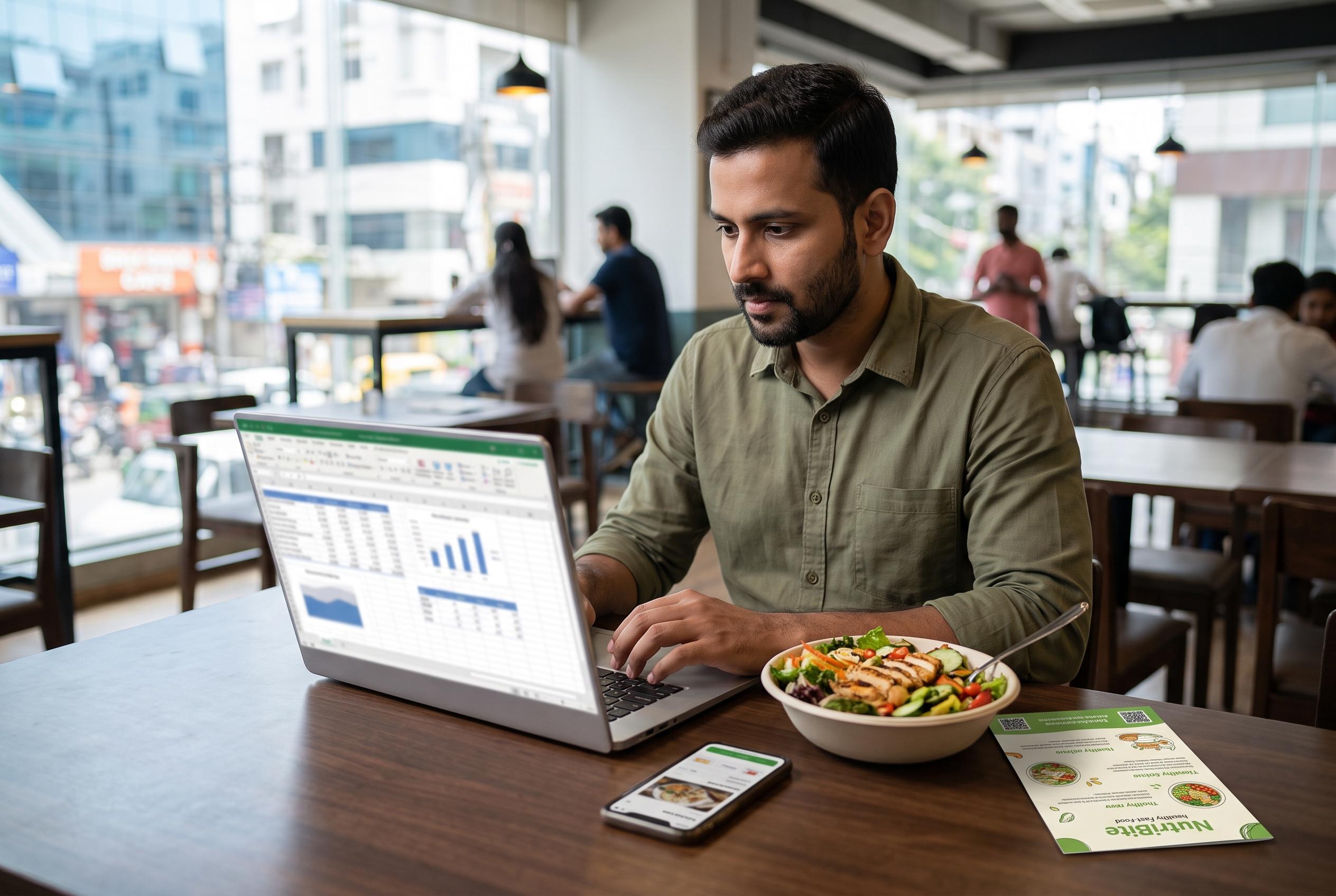

India’s fast food sector is transforming into a more sophisticated, technology-driven industry, with rapid expansion in consumer spending, delivery platforms, and health-conscious options, projected to nearly double in size by 2034.
India’s fast food market is becoming a much larger and more sophisticated business as urban lifestyles, mobile ordering and delivery platforms reshape how people eat. IMARC Group estimates the market was worth $19.9 billion in 2025 and says it could rise to $37.6 billion by 2034, implying compound annual growth of 6.95% from 2026 to 2034.
The expansion reflects broader changes in Indian consumer behaviour. Rising disposable incomes, a younger population and denser cities are all helping quick-service chains reach more customers, while app-based delivery has turned fast food into a habit as much as an occasion. IMARC Group’s wider analysis of India’s food service industry points to a market that could climb to $138.21 billion by 2034, underscoring how strongly organised dining is gaining ground.
Technology is also changing the economics of the sector. Digital ordering, online food aggregators and cashless payments are lowering friction for both customers and operators, while cloud kitchens and other delivery-first models reduce the need for expensive dining space. IMARC Group says the trend is part of a wider shift towards a more flexible, omnichannel food business, with operators increasingly using data and mobile platforms to drive repeat sales.
At the same time, the market is being shaped by regulation and supply-side investment. IMARC Group’s reports point to government support for food processing, cold-chain expansion and incentives for ready-to-cook and ready-to-eat products, all of which help fast-food chains secure ingredients and scale more reliably. The food processing market itself is forecast to grow from INR 33,052.5 billion in 2025 to INR 65,835.0 billion by 2034, suggesting a stronger domestic base for packaged and processed inputs.
Health concerns are adding another layer of change. According to IMARC Group, companies are responding to pressure for cleaner labels and more local sourcing by introducing plant-based options, transparent calorie information and millet-based alternatives. That shift is especially relevant in a market where convenience remains the main draw, but consumer expectations are gradually widening to include quality, traceability and nutritional balance. IMARC Group also estimates India’s quick-service restaurants market will nearly double to $17.7 billion by 2034, reinforcing the sense that the fastest growth is likely to come from brands that combine speed with adaptation.
Disclaimer: This article is intended to inform and educate, not to recommend or endorse any financial product, investment or strategy. Please consider your own financial circumstances and seek professional advice where appropriate before making financial decisions.