
India’s move into producing globally compliant shipping containers signals a significant shift towards localised logistics infrastructure, supported by government policies and a budding ecosystem to challenge Chinese dominance.
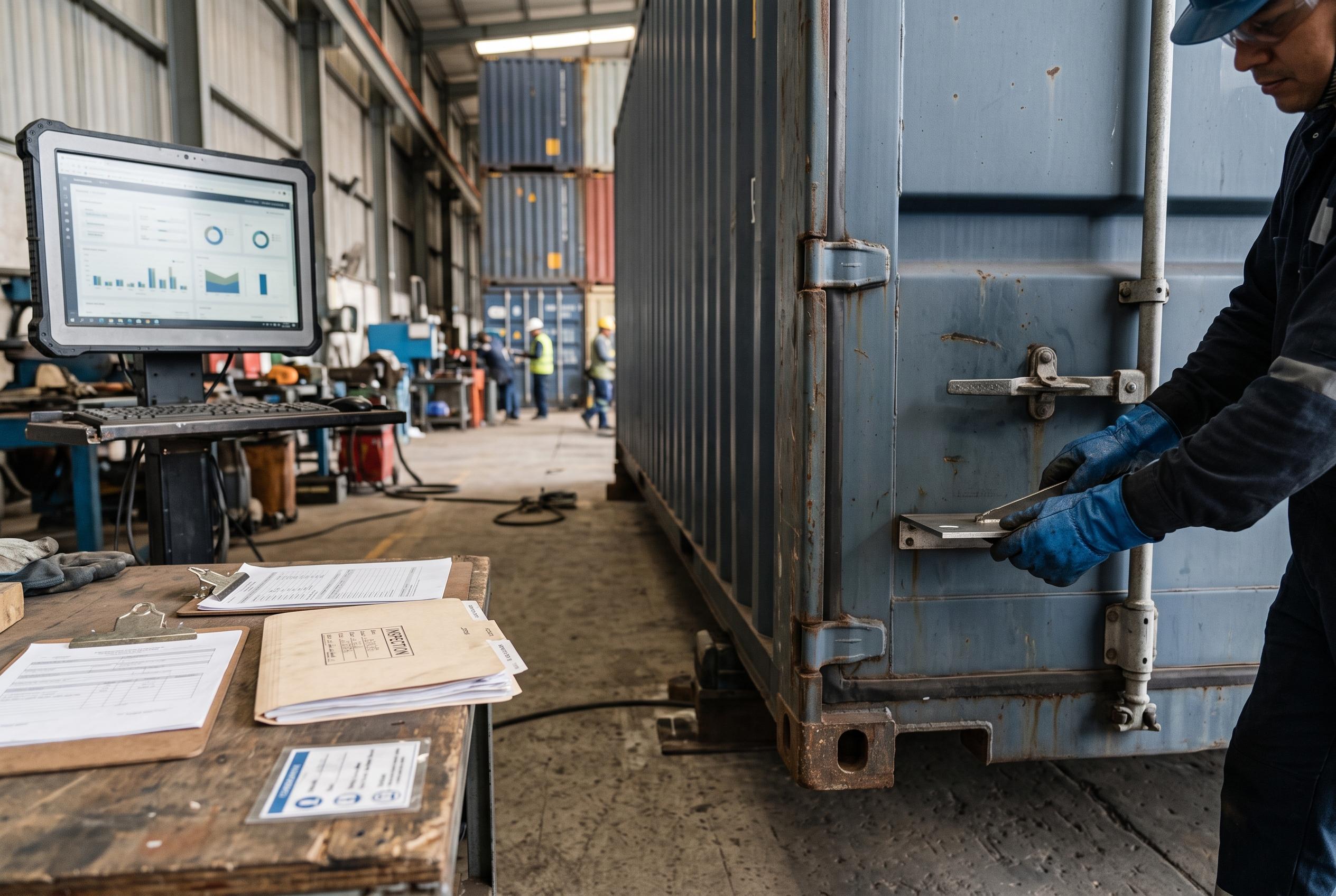
India’s move into internationally compliant container manufacturing is more than a symbolic first. The first India-made export-import shipping container, unveiled at a Maersk and Container Corporation of India depot in Dadri, and a subsequent order for 1,000 containers from the Danish carrier, suggest that domestic production is beginning to win acceptance from global users. Business Standard said the containers met international quality and safety norms, including ISO specifications and the International Convention for Safe Containers.
The timing matters. In the 2026 Union Budget, the government set aside ₹10,000 crore over five years to build a globally competitive container manufacturing industry, underlining policy support for a sector long dominated by imports. That matters because containers sit at the heart of trade efficiency: they cut handling time, reduce cargo losses and help goods move smoothly across ships, railways and trucks. They also support India’s wider push into trade corridors, free trade agreements and multimodal logistics.
The opportunity is not limited to making boxes. A genuine container economy would also include leasing, insurance, financing, repair, refurbishment, recycling and digital tracking. That broader ecosystem could help India capture more value from a supply chain now heavily concentrated in China, which produces the vast majority of the world’s containers. The case for localisation also grew stronger after the pandemic exposed how shortages can push up freight costs and disrupt supply chains.
But the hurdles are significant. Indian producers still face a cost disadvantage versus Chinese rivals because of scale, automation, supplier depth and cheaper financing. Manufacturing alone will not be enough if the market for containers remains thin. Shipping lines, exporters, rail operators, inland depots, logistics parks and ports must all generate steady demand before economies of scale begin to work in India’s favour.
The next step is to move from one-off success to a full industrial base. That would mean building manufacturing clusters near ports and freight corridors, developing container finance through banks and leasing firms, and expanding specialised products such as refrigerated, tank and smart containers. If India can combine policy support, private capital and export demand, it could turn an early milestone into a durable logistics advantage.
Disclaimer: This article is intended to inform and educate, not to recommend or endorse any financial product, investment or strategy. Please consider your own financial circumstances and seek professional advice where appropriate before making financial decisions.