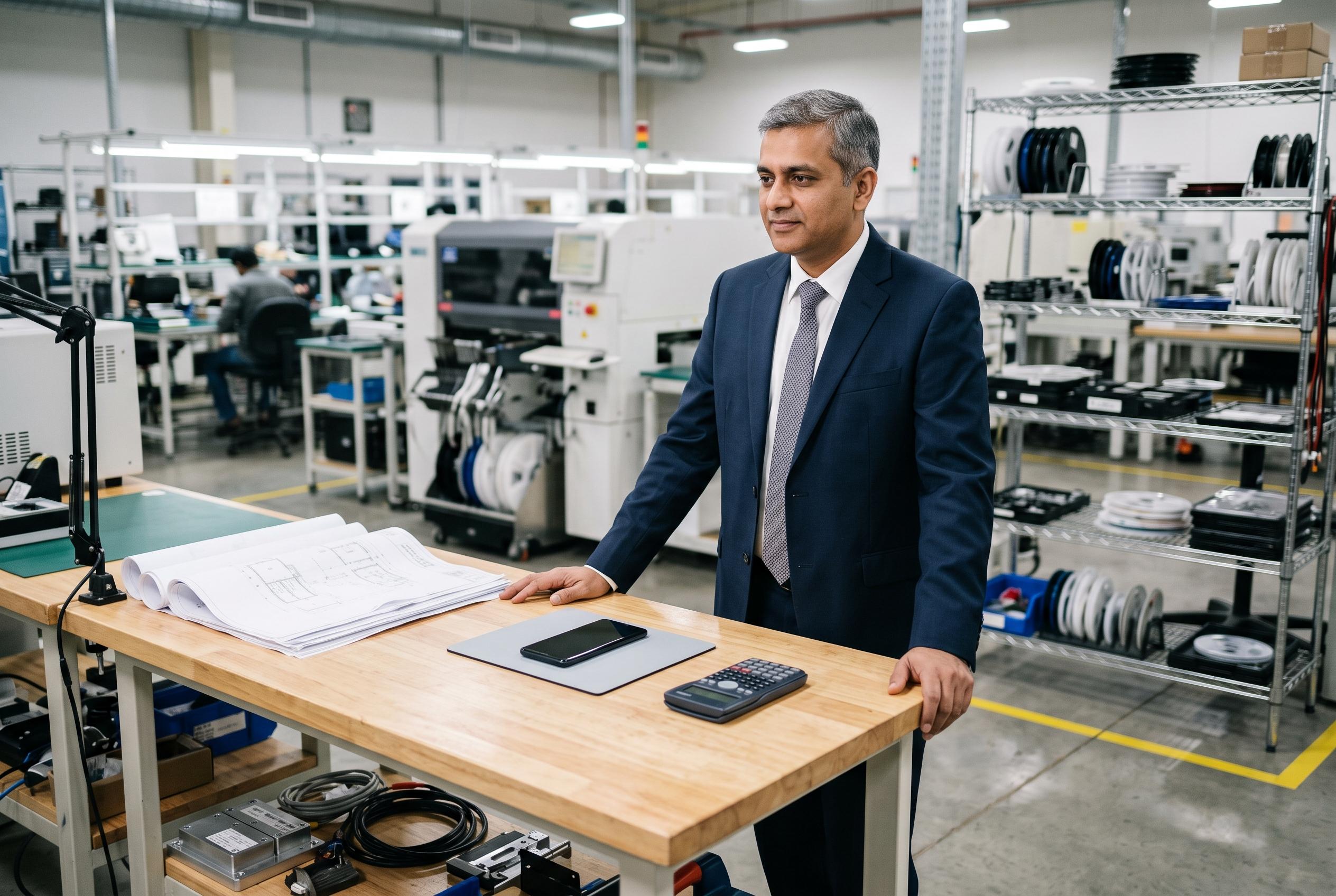

India advances its electronics sector growth, approving 31 new projects worth ₹7,877 crore, as the government intensifies efforts to build a self-reliant supply chain and boost domestic production capabilites.
India has approved 31 more proposals under its Electronics Component Manufacturing Scheme, with planned investment totalling ₹7,877 crore, according to IT secretary S. Krishnan. The fresh clearances add momentum to a policy drive aimed at building a larger domestic supply chain for electronic parts, an area where India still relies heavily on imports.
The latest batch comes on top of earlier approvals under the scheme. In March, the government cleared 29 applications worth ₹7,104 crore, with officials saying those projects could generate as many as 14,246 jobs and produce electronics components worth ₹84,515 crore. By the end of July, the total number of approved applications had reached 75, covering 23 products and representing expected investment of ₹61,671 crore.
The scheme was launched in April 2025 with an initial allocation of ₹22,919 crore and a six-year term, with an optional one-year gestation period. It is designed to support production of items such as printed circuit boards, passive components, electro-mechanical parts, sub-assemblies, camera modules and optical transceivers, as well as capital goods used in electronics manufacturing.
The government has since expanded the scheme sharply. In the Union Budget 2026-27, Finance Minister Nirmala Sitharaman raised the outlay to ₹40,000 crore, reflecting the administration’s push to deepen local manufacturing and attract more private capital. Before Monday’s announcement, officials had said 46 applications had been approved in three tranches, involving ₹54,567 crore of investment and projected output of ₹3,67,343 crore.
The broader numbers underline how quickly India’s electronics base has grown. According to a government update in July, electronics production rose from about ₹1.9 trillion in 2014-15 to ₹13.11 trillion in 2025-26, while exports climbed from roughly ₹38,000 crore to ₹4.24 trillion over the same period. The government says the sector now supports around 2.5 million direct and indirect jobs.
Disclaimer: This article is intended to inform and educate, not to recommend or endorse any financial product, investment or strategy. Please consider your own financial circumstances and seek professional advice where appropriate before making financial decisions.