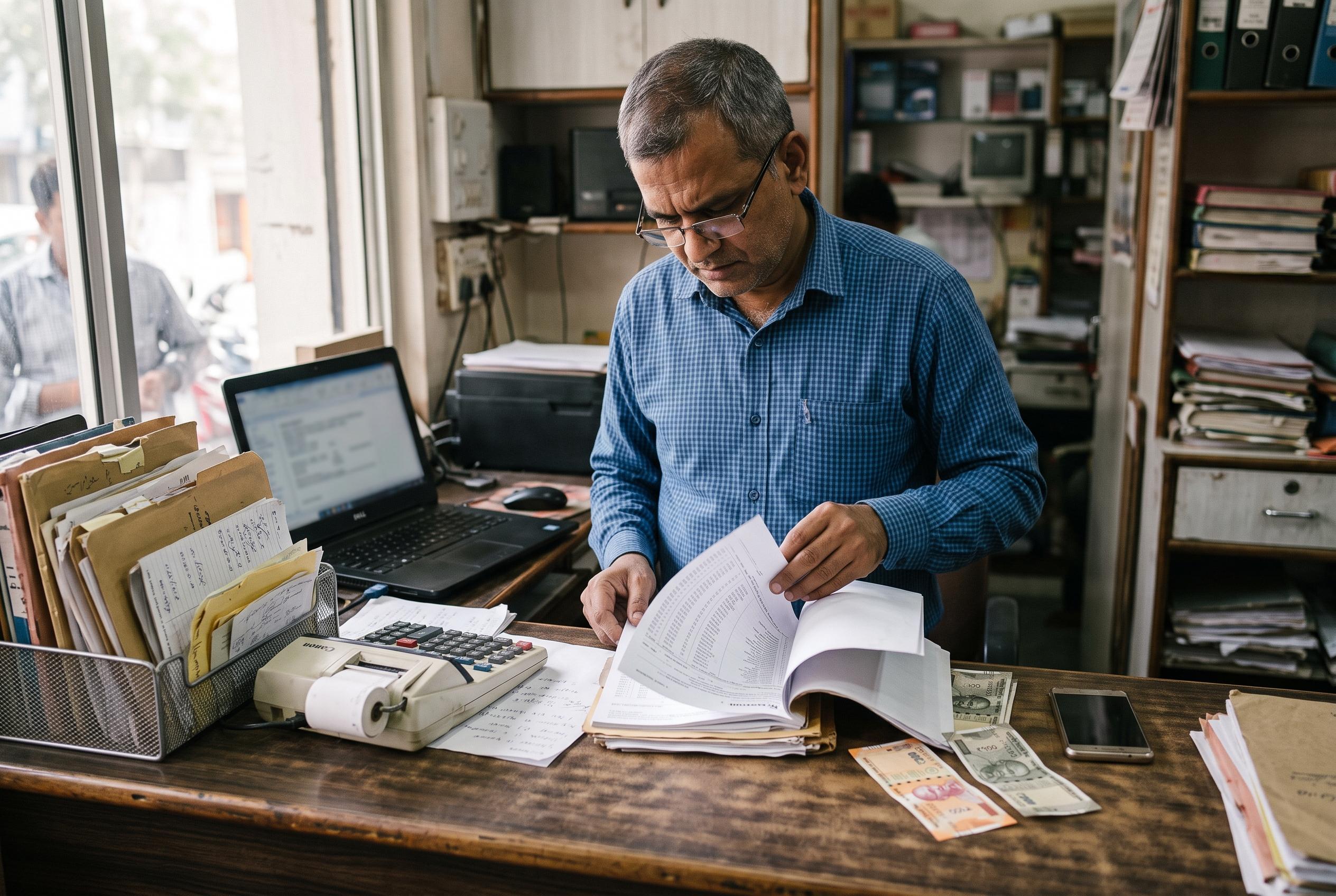

While the Indian government’s zero-MDR policy on UPI transactions supports small businesses with cost savings, the growing volume raises questions about the long-term sustainability and the evolving payment landscape in India.
India’s digital payments boom has left merchants weighing two very different cost structures: card acceptance, which usually carries a fee, and UPI, which for now does not. The difference matters most to small businesses, where even a modest charge can eat into already thin margins. According to reporting from The Economic Times and industry explainers, the government has repeatedly backed a zero-MDR policy for UPI to keep low-cost digital payments growing, while card transactions continue to involve processing fees.
MDR, or merchant discount rate, is the charge a business pays to accept a digital payment. As payment-industry explainers note, it is typically split among the acquiring bank, issuing bank, payment network and other intermediaries, and is commonly described as a percentage of the transaction value. For many merchants, particularly small and medium-sized firms, that fee can become a meaningful operating cost over time.
By contrast, UPI transactions are currently being processed at zero MDR, a policy the Finance Ministry has again clarified remains in place. The Economic Times reported that the government has rejected suggestions that UPI users or merchants will soon face such charges, and has kept the system free at the point of acceptance since January 2020 for UPI and RuPay debit cards. That has helped make QR-code payments the default choice for many small shops, street vendors and neighbourhood stores.
The trade-off, however, is not simply about cost. Card payments still offer advantages such as chargeback protections, wider use for larger purchases and, in the case of credit cards, rewards and instalment options that can push average ticket sizes higher. Merchants using card readers also face equipment and maintenance costs, whereas UPI can work with little more than a printed QR code and a smartphone. Larger retailers often keep both systems because speed, convenience and customer preference still vary widely at the checkout.
The bigger question for India’s payments market is sustainability. Economic Times has reported that the zero-MDR model leaves banks and fintech companies absorbing processing costs, with some estimates putting the cost of each transaction at about Rs 2. That has prompted debate over how long the current structure can last as UPI volumes keep climbing. For now, though, the policy choice is clear: cards remain a fee-bearing payment rail, while UPI stays the cheapest option for merchants.
Disclaimer: This article is intended to inform and educate, not to recommend or endorse any financial product, investment or strategy. Please consider your own financial circumstances and seek professional advice where appropriate before making financial decisions.