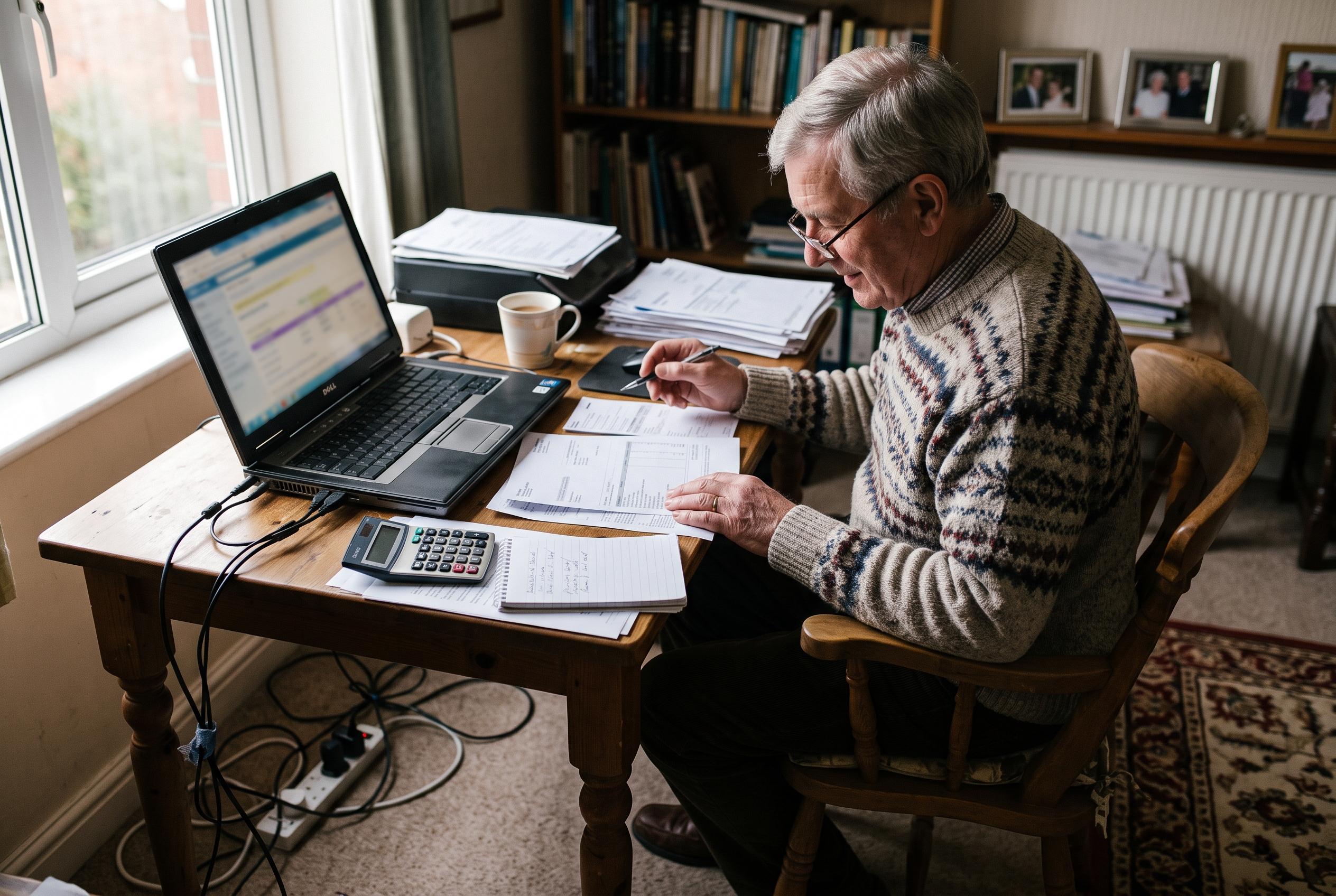

An increasing number of pensioners in England are renting privately, raising concerns about the sustainability of retirement incomes amid rising housing costs and inadequate savings, prompting calls for early financial planning.
A growing number of older households in England are heading into retirement without a home of their own, raising fears that private renting could become a defining financial pressure for the next generation of pensioners. The English Housing Survey 2024 to 2025 shows that 6% of people aged 65 and over now rent privately, while 79% own their homes outright. Among those aged 35 to 64, 18% are private renters, a sign that the housing burden is stretching further into later life.
That shift matters because rent can swallow a large share of retirement income. In areas such as Newcastle, where monthly private rents for a two-bedroom property can be around £900, a couple relying only on the full State Pension could find nearly half their income absorbed by housing before they have paid for council tax, energy, food or transport. The English Housing Survey 2022 to 2023 also shows that the private-rented sector remains heavily used by younger adults, but the presence of older tenants points to a longer-term problem: many people are reaching retirement without the asset that once acted as the main safeguard against poverty in old age.
The government has tried to ease some of the strain. In April 2026, more than 12 million pensioners received a State Pension rise of up to £575 after the basic and new pensions increased by 4.8% under the Triple Lock. Even so, higher pension payments do not erase the risk created by years of rising rents, weak savings and a lack of housing supply geared towards older people. For those already renting later in life, the maths can still look unforgiving.
That is why financial planning is increasingly important, and it needs to start early. Building pension savings, using the power of compound growth and reviewing retirement income well before the last working years can make a meaningful difference. Advisers often argue that even modest contributions can accumulate over decades, particularly when families begin saving for children or grandchildren. For people approaching retirement, the key is to get advice from an independent adviser who understands the full picture, rather than relying only on what a pension provider offers. The quiet crisis in retirement housing may be structural, but careful planning can still soften its impact.
Disclaimer: This article is intended to inform and educate, not to recommend or endorse any financial product, investment or strategy. Please consider your own financial circumstances and seek professional advice where appropriate before making financial decisions.