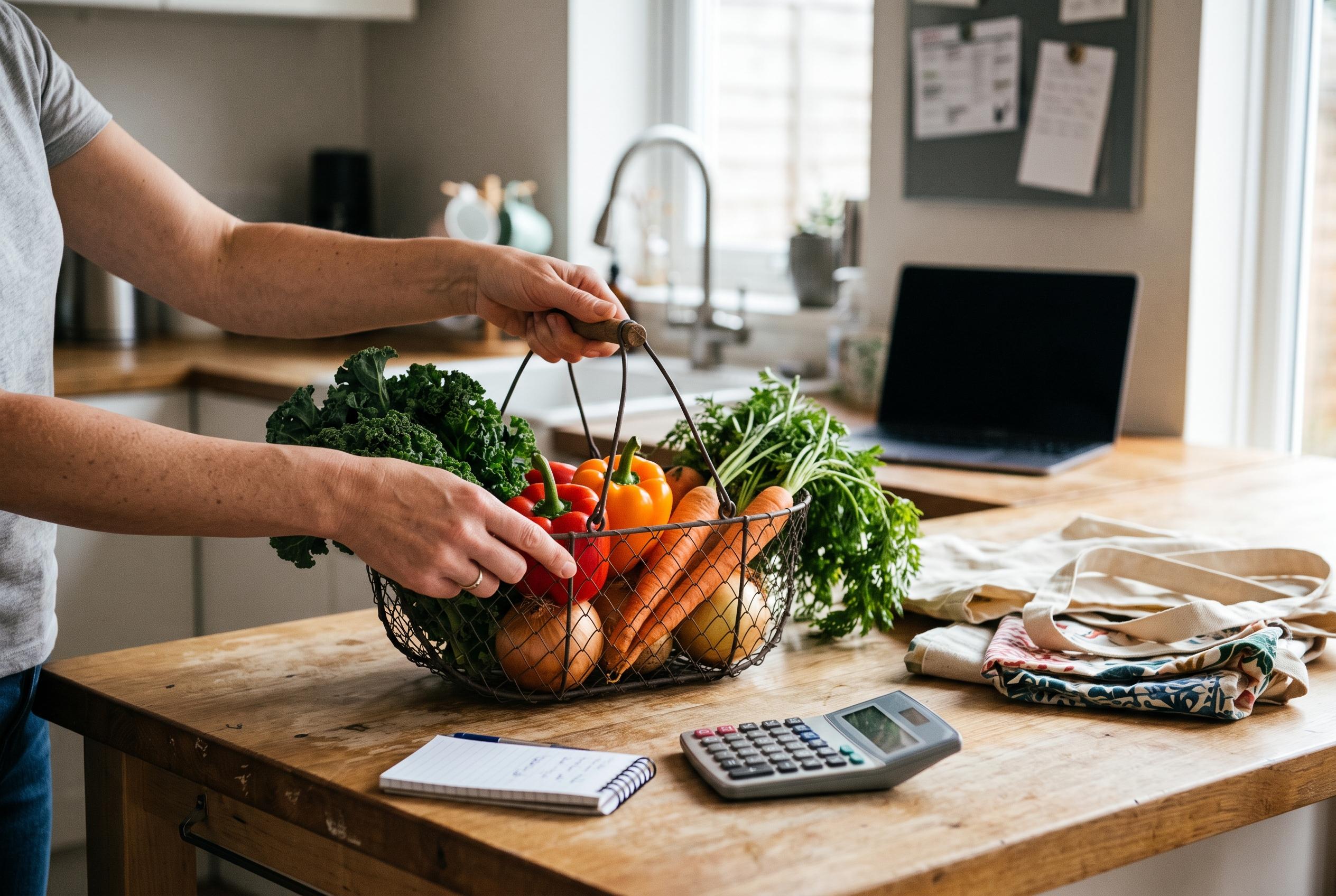

A strategic approach to grocery spending balances better food choices with financial goals, emphasising gradual upgrades and mindful purchasing to enhance nutrition and ethics without sacrificing savings.
Spending more on groceries does not have to mean losing control of your budget. The core idea is simple: treat food as a necessary part of everyday life, then decide how much room you have to improve quality without slowing your wider financial progress. The Allowance Method described in the lead piece takes that approach, separating true necessities from discretionary spending and using savings momentum as the test of whether there is scope to upgrade. That makes the question less about austerity and more about balance: can you buy better food and still move savings in the right direction?
A practical place to start is by drawing a clearer line between staples and extras. Fresh fruit, vegetables, eggs, meat, dairy, nuts, seeds and whole grains are basic groceries. Packaged sweets, crisps, fizzy drinks and similar treats are different, even if they end up in the same trolley. Under the system outlined in the lead article, the latter can be paid for from personal spending money, while the former stay within the household food budget. That distinction matters because it prevents grocery spending from becoming a catch-all category that quietly swallows money meant for savings.
The case for spending more on some foods is not just emotional. Better ingredients can improve day-to-day eating, and there is also evidence that certain production methods may affect nutrition. GoodRx explains that free-range and pasture-raised labels are not interchangeable: both suggest some access to the outdoors, but pasture-raised hens generally have substantially more room to roam. The same source notes that pasture-raised eggs often contain more omega-3 fatty acids and vitamin D than conventional eggs. Still, labels can be confusing, and not every product marked free-range or pasture-raised is automatically organic.
That is why gradual upgrading is a sensible tactic. Instead of overhauling every purchase at once, shoppers can improve one item at a time, such as moving from standard eggs to pasture-raised ones, choosing grass-fed dairy, or buying better meat when the budget allows. US Farm Trail says pasture-raised animals spend much of their lives outdoors and can forage and behave more naturally, although the term is not federally regulated, which makes third-party certification important. Cornucopia has argued that pasture-raised meat, milk and eggs can offer stronger nutritional profiles, while also supporting animal welfare and soil health. The wider point is that food quality, ethics and cost are often linked, so each upgrade should be measured against its effect on savings.
Local farmers markets can also help households spend more with greater confidence. As the lead article notes, they give buyers access to produce and other staples from nearby growers, while also making it easier to understand where food comes from. Seasonal shopping can naturally guide spending, because people buy what is available rather than forcing the same basket year-round. In practice, that means the most responsible grocery budget is not always the cheapest one. It is the one that lets you eat well, support the foods you value and still keep your financial goals on track.
Disclaimer: This article is intended to inform and educate, not to recommend or endorse any financial product, investment or strategy. Please consider your own financial circumstances and seek professional advice where appropriate before making financial decisions.