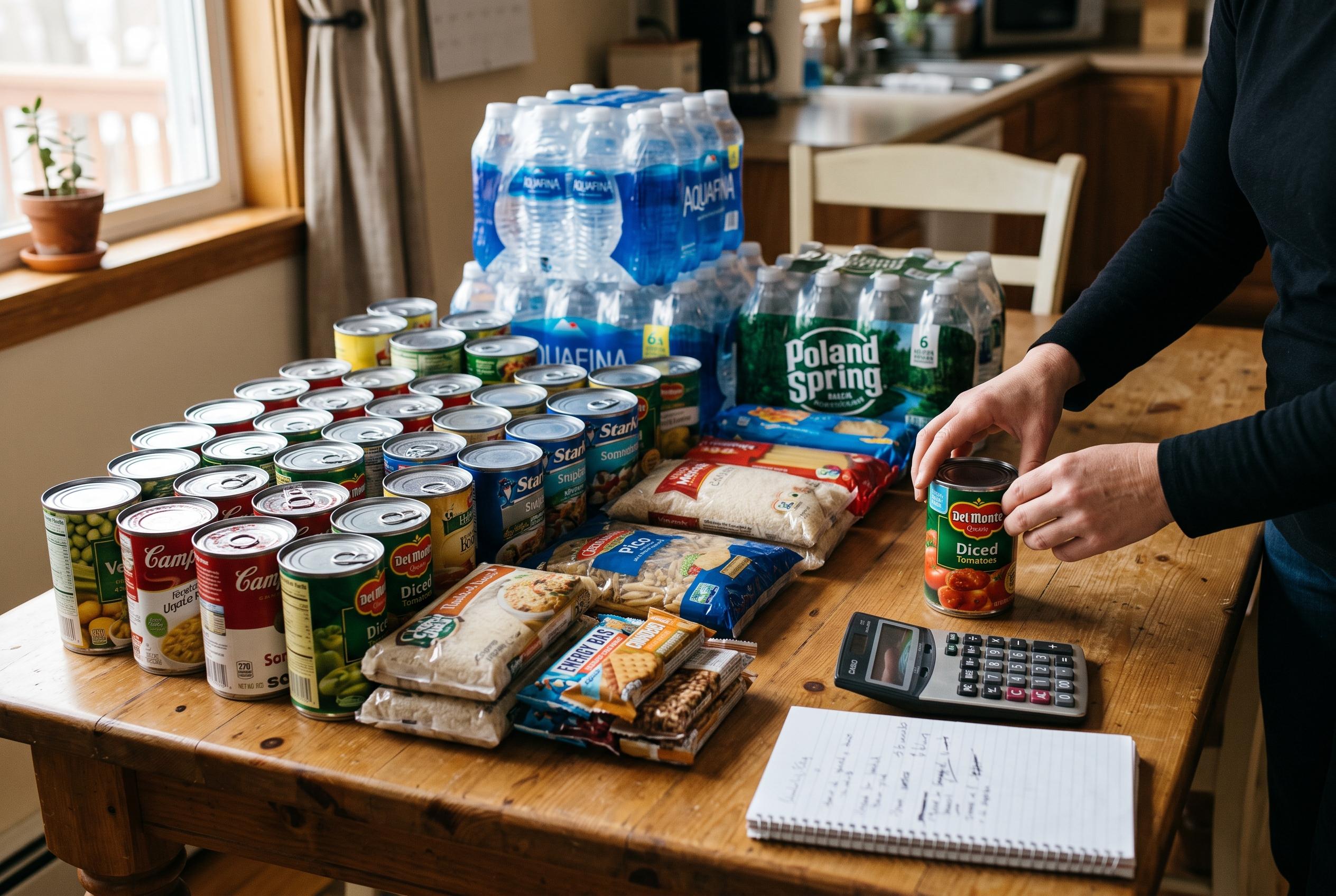

A strategic approach centred on household needs, product choice, and routine review can minimise waste and enhance the effectiveness of emergency stockpiles, experts say.
The waste problem in emergency stockpiling usually starts long before anything reaches a shelf. Households that buy out of alarm, rather than from a clear plan, often end up with too much of one thing, not enough of another, and a growing pile of supplies that no one actually wants to use. The better approach is to begin with the household as it really is: how many people live there, what they eat, what medicines they rely on, what cooking equipment they own, and what risks are genuinely plausible. The CDC says basic emergency kits should cover water, non-perishable food, first-aid items, medicines and tools, while REI advises keeping kits in a cool, dry place and checking them regularly for expired goods.
That means prioritising essentials before specialist gear. Water, familiar food, prescribed medication, sanitation items, lighting and a way to receive information should come first, because they are the things most households will actually use in a disruption. PrepSignals recommends building reserves in layers, beginning with a few days of no-cook food, then moving to familiar shelf-stable meals and staples. That logic reduces the risk of spending on niche items while everyday needs remain uncovered.
Choosing the right products matters as much as choosing the right quantity. Low-waste preparedness tends to favour items that are familiar, durable and easy to use in more than one setting. A flashlight that works for blackouts, travel and car breakdowns is usually a better buy than one that only fits a narrow emergency use. Salt & Prepper recommends a first-in, first-out system for stored food, while SafeHeit suggests building supplies around foods already eaten at home, such as rice, pasta, oats, nut butter, honey and beans.
Packaging and compatibility also affect waste. Large containers can leave awkward leftovers after opening, while small packs can be useful when only one person needs a product. The same caution applies to devices that depend on special cartridges, canisters or batteries. REI and the CDC both stress checking batteries, fuel and perishables during routine reviews, because neglected components often become the real failure point rather than the main item itself.
Rotation is what keeps an emergency store from becoming a cupboard of dead stock. PrepSignals recommends dating every batch and keeping older items at the front, while Salt & Prepper says stored food should be folded into normal meals through pantry challenge weeks and expiry-date cooking. That approach is more reliable than waiting for a yearly purge, which often reveals that the original purchase was too large, too unfamiliar or stored badly. The CDC likewise advises checking expiration dates throughout the year.
A sensible review system should ask three questions before any purchase: do we already have it, can we use it under likely conditions, and will it be consumed before it becomes waste? That is also why written plans matter. Batten Emergency says households with formal emergency plans are better able to cope with prolonged disruptions, and while its own figure on plan effectiveness should be treated cautiously, the broader point is sound: preparedness works best when it is written down, reviewed and tied to real consumption. In practice, that means buying only what fits the home, testing unfamiliar items before storing them, and replacing supplies selectively rather than in panic.
Disclaimer: This article is intended to inform and educate, not to recommend or endorse any financial product, investment or strategy. Please consider your own financial circumstances and seek professional advice where appropriate before making financial decisions.