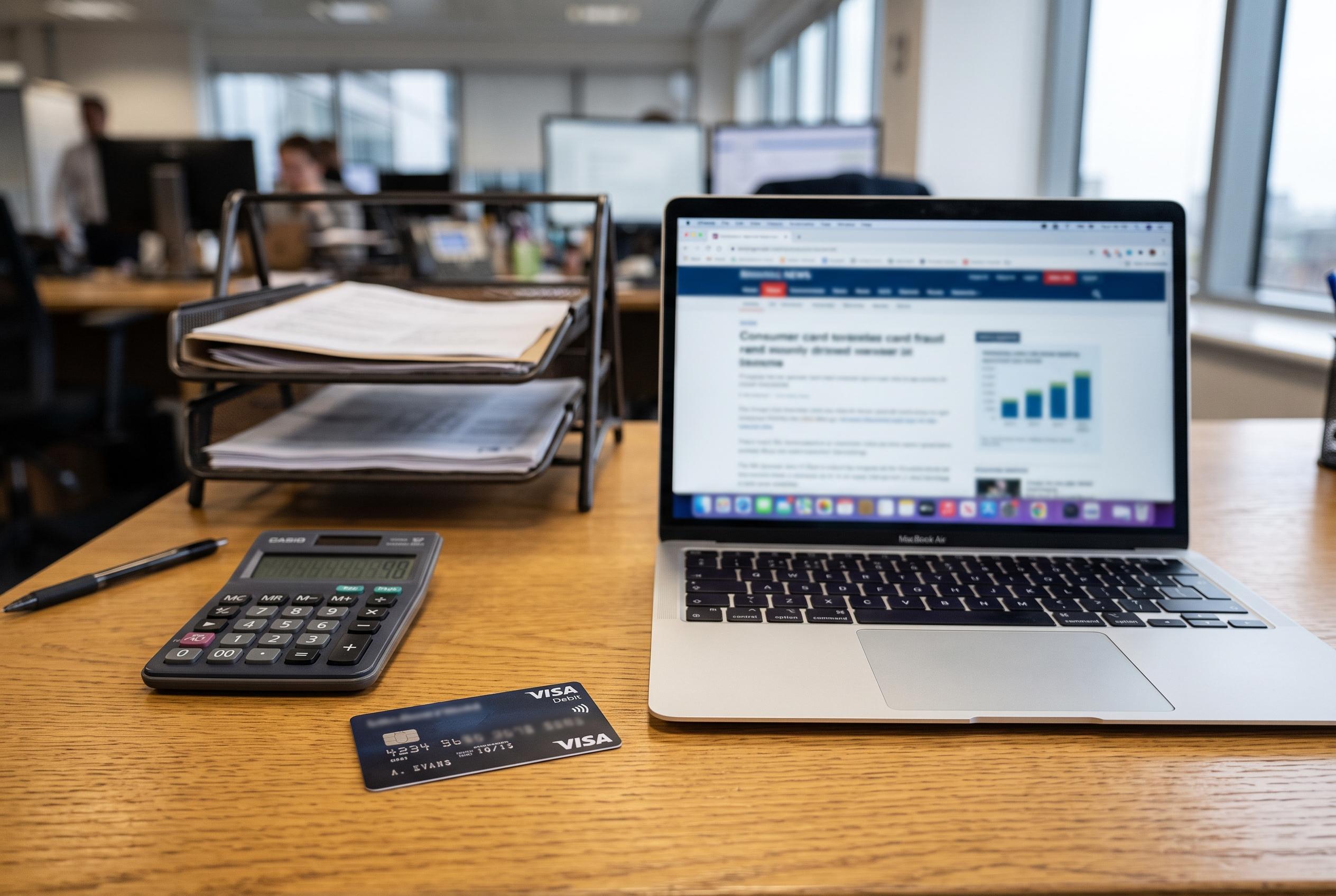

Consumer organisations highlight a new wave of deception-based payment scams in the UK, where fraudsters trick victims into authorising contactless transactions, bypassing traditional reimbursement protections.
Consumer groups are warning that a newer strain of payment fraud is spreading across the UK, with victims being talked into approving card transactions rather than sending money by bank transfer. Which? says criminals are increasingly using deception to get people to authorise payments themselves, a tactic that can leave them outside the automatic protection that applies to some bank-transfer scams.
The consumer group says one common ruse involves fraudsters posing as bank security staff, police officers or regulators and claiming an account has been compromised. Victims are then urged to share one-time passcodes or approve a card being added to a digital wallet, allowing criminals to spend contactlessly. Which? says this matters because card payments do not fall neatly under the reimbursement rules that cover authorised push payment, or APP, fraud. UK Finance says APP scams happen when people are tricked into transferring money to accounts controlled by criminals, and the Payment Systems Regulator’s reimbursement rules apply to payments made on or after 7 October 2024.
Which? also points to complaints data from the Financial Ombudsman Service, saying it received 3,653 cases involving authorised card payments in the year it examined, with about 27% upheld in consumers’ favour. Revolut accounted for 912 of those complaints, ahead of Barclays on 399, according to the analysis. The ombudsman says it continues to see hundreds of fraud and scam cases each week and warns that people who are persuaded to use a debit or credit card for a payment may have less recourse than they expect.
Lisa Webb, a consumer law expert at Which?, said the scam was “particularly dangerous” because card payments sit outside the automatic refunds banks must provide for some APP cases. The Financial Ombudsman Service advises anyone caught up in this kind of fraud to complain to their bank first and then escalate to the service if they believe they have been treated unfairly. UK Finance says people should never share one-time passcodes with anyone other than a service they were expecting to hear from, and if an unexpected caller claims to be from a bank, they should hang up and call back using the number on their card.
Disclaimer: This article is intended to inform and educate, not to recommend or endorse any financial product, investment or strategy. Please consider your own financial circumstances and seek professional advice where appropriate before making financial decisions.