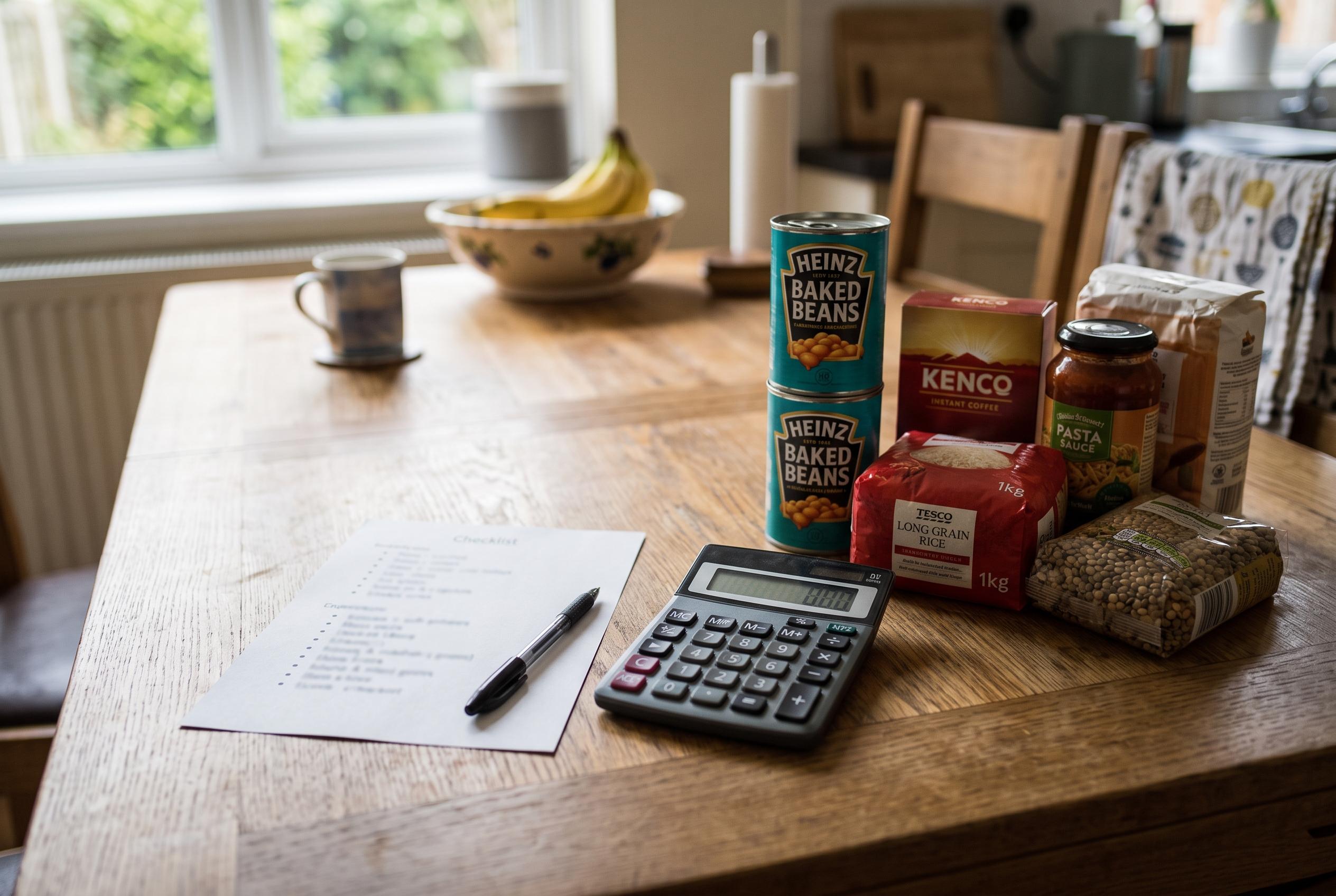

Smart preparedness involves recognised limits: investing in essentials and testing existing supplies, rather than overspending on costly equipment that strains household finances or creates new risks.
Preparedness spending stops being helpful when it starts to weaken a household’s day-to-day finances. A pantry full of supplies does not make up for missed rent, overdue utility bills, unaffordable medicines or credit-card balances that keep growing with interest. The basic test is not whether a purchase looks serious or impressive, but whether it solves a real risk without pushing essentials into the background. According to the PrepareMag article, resilience depends on both physical readiness and financial flexibility, and that means judging each purchase by the disruption it addresses, how often it will be used and what it replaces in the household budget.
That distinction matters because not every risk calls for expensive equipment. A few gallons of stored water, foods the family already eats, torches, batteries, first-aid supplies and a reliable way to receive alerts can cover common short-term problems without straining cash. By contrast, a generator, a large freeze-dried food order, protective gear or duplicate storage systems can create new costs through maintenance, testing, storage and replacement. The article argues that a costly item is not automatically more useful if the household cannot operate it properly or keep it in service.
Warning signs appear when preparedness purchases begin competing with necessities. Delaying housing payments, skipping medical care, using high-interest credit or cutting back on food quality to buy more gear are all signs the budget has lost its boundaries. The article also cautions against inventory drift: duplicates accumulate, batteries lose charge, food expires and equipment sits unused because no one has checked compatibility or tested it. That concern is echoed in other personal-finance guides, which warn that major purchases often go wrong when people buy under emotional pressure, compare themselves with others or finance items they cannot comfortably afford.
A better approach is to treat preparedness as a priority order, not a shopping spree. Housing, utilities, food, medication, transportation, insurance and minimum debt obligations should come first. Only after those are protected should a household spend on extra supplies or specialised equipment. The PrepareMag piece says the most practical purchases are often the least glamorous: maintaining a vehicle, keeping documents accessible, knowing how to shut off utilities, storing familiar food and keeping some cash available. That view aligns with broader personal-finance advice to avoid purchases that depreciate quickly, are driven by impulse or create long-term strain for short-term satisfaction.
The article recommends a simple review process for households that have already built up supplies. Gather receipts, statements and storage costs, then sort items into those that are useful now, useful after testing, excessive or unsuitable. Test what you already own, decide on a date for anything still sitting in limbo, and sell, donate or recycle what has no realistic place in the home. Any money recovered should go towards debt reduction, repairs, savings or a genuine missing need, not another round of buying. The same discipline should govern future spending: set stop rules, avoid financing non-essential gear and match the budget to actual hazards rather than marketing pressure.
Preparedness works best when it broadens options without undermining ordinary stability. A sustainable plan is one that leaves room for cash reserves, repairs and household resilience over time, while keeping supplies rotated, understood and affordable to maintain. The article’s central point is simple: readiness should make life more secure, not make every other bill harder to pay.
Disclaimer: This article is intended to inform and educate, not to recommend or endorse any financial product, investment or strategy. Please consider your own financial circumstances and seek professional advice where appropriate before making financial decisions.