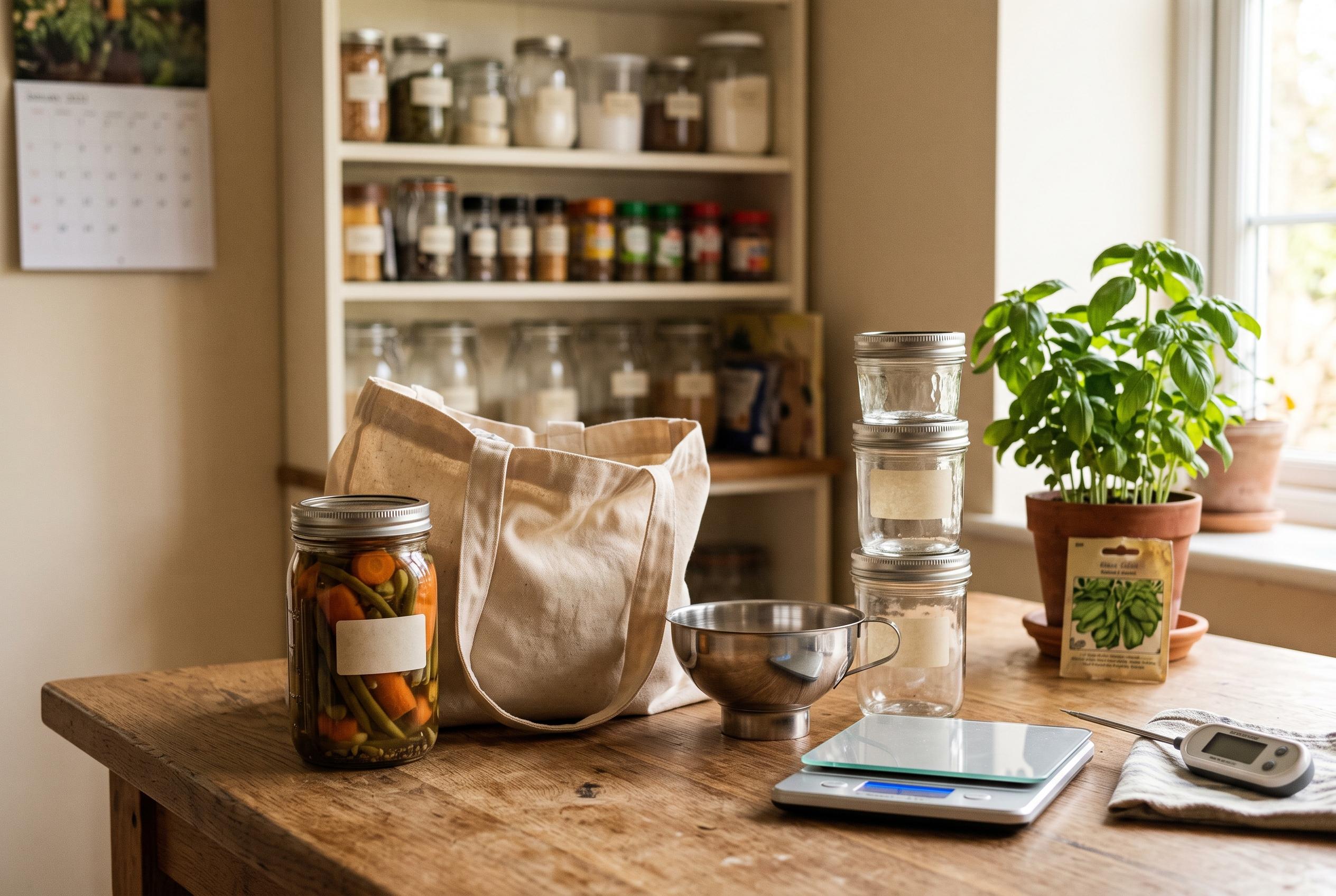

In an era of rising grocery bills, embracing traditional habits such as home growing, food preservation, and reuse can make households more self-sufficient, eco-friendly, and budget-conscious.
People who lived through harder times often treated food as something to be stretched, saved and repurposed. That thrift still makes sense now, especially as grocery bills remain a concern for many households. Growing even a small amount of food at home can help reduce spending, while also giving families fresher produce and a greater sense of control over what they eat, according to guidance from SparkPeople and the National Allotment Society.
A modest garden does not need much space to make a difference. Herbs, tomatoes, greens and peppers can be grown in containers, and starting from seed can be cheaper than buying established plants. The National Allotment Society says home growing can also reduce environmental impact, while the SparkPeople article notes that children and adults alike may eat more fruit and vegetables when they have helped grow them.
The same logic applies after harvest. Preserving surplus produce through freezing, canning, pickling, drying or fermenting can keep food usable long after the growing season ends. Farmers’ Almanac and Hobby Farms both say proper storage and tested preservation methods are key to keeping quality and food safety intact.
Old-fashioned thrift also depends on making better use of what is already in the kitchen. Leftovers can become soup, sandwiches, casseroles or grain bowls, while dry staples such as rice, oats, beans and flour often cost less when bought in larger quantities and stored correctly. Cooking more meals at home, including meat-free dishes built around beans and grains, can also push the weekly food budget further.
Other habits from earlier generations still have practical value. Bartering with neighbours, reusing jars and containers, and learning basic repair skills can all cut waste and reduce the need to buy replacements. Even simple knowledge, such as first aid and safe home canning, can save time, money and unnecessary trips out.
The appeal of these habits is not nostalgia for its own sake. It is that they still work. A home garden, a well-stocked pantry, a few preservation skills and a willingness to reuse and repair can make everyday life a little leaner, and a lot more resilient.
Disclaimer: This article is intended to inform and educate, not to recommend or endorse any financial product, investment or strategy. Please consider your own financial circumstances and seek professional advice where appropriate before making financial decisions.