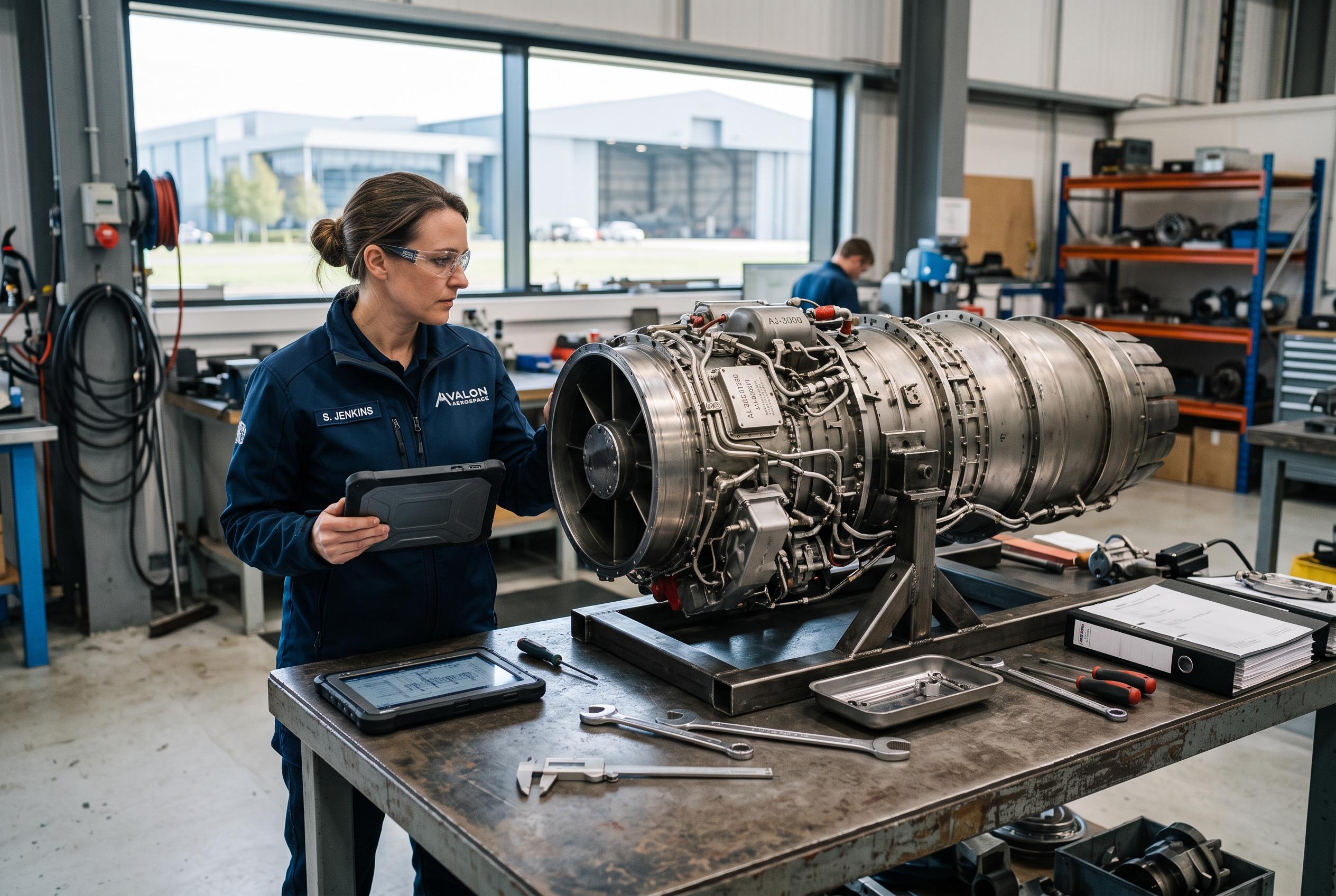

Reliance Industries and Rolls-Royce are intensifying their collaboration to co-develop a sovereign combat engine for India’s fifth-generation AMCA fighter, aiming to enhance strategic autonomy and establish a domestic aerospace ecosystem.
Reliance Industries and Rolls-Royce have moved to deepen their partnership in India with a plan to co-develop a sovereign combat engine for the country’s Advanced Medium Combat Aircraft programme, a project that would aim to reduce long-term dependence on foreign suppliers for one of the most demanding components in military aviation. The companies said they want to combine Rolls-Royce’s propulsion know-how with Reliance’s manufacturing and execution strengths to build capacity for advanced aero-engines in India.
The proposal goes beyond a single aircraft programme. According to the companies’ announcement, they will explore creating an Aerospace Gas Turbine Complex in India, intended to cover the full engine lifecycle from design and development to manufacturing, testing, production and through-life support. That could lay the groundwork for a broader domestic engine ecosystem, something Indian defence planners have long wanted but have struggled to achieve for high-thrust fighter engines.
The timing is significant because the AMCA is meant to be India’s fifth-generation stealth fighter, and propulsion remains one of its toughest technological hurdles. Indian industry and defence officials have for years argued that indigenous engine capability is central to strategic autonomy, not just for the AMCA but for the wider military aircraft sector. Industry reports have also indicated that Rolls-Royce has been pressing for a larger role in the programme, including proposals for a local design centre and, in some accounts, a more comprehensive joint venture model than simple licence production.
Rolls-Royce’s wider India strategy suggests the AMCA proposal is part of a longer effort to build a bigger aerospace footprint in the country. According to industry body IBEF, the company has also been exploring a civil aviation maintenance, repair and overhaul facility to support India’s fast-growing airline market, while its existing Indian partnerships date back years. Rolls-Royce said in 2021 that it was expanding ties with Hindustan Aeronautics to strengthen supply chains and maintenance support, underscoring how deeply it already operates in the country’s aerospace sector.
For India, the attraction is clear: a successful home-grown combat engine would strengthen defence self-reliance and potentially support future aircraft programmes as well. But the new partnership remains an early-stage commitment rather than a signed development contract. The companies have not disclosed ownership terms, funding details or a delivery timetable, and the real test will be whether the collaboration can translate ambition into a certified engine that meets the performance demands of a fifth-generation fighter.
Disclaimer: This article is intended to inform and educate, not to recommend or endorse any financial product, investment or strategy. Please consider your own financial circumstances and seek professional advice where appropriate before making financial decisions.