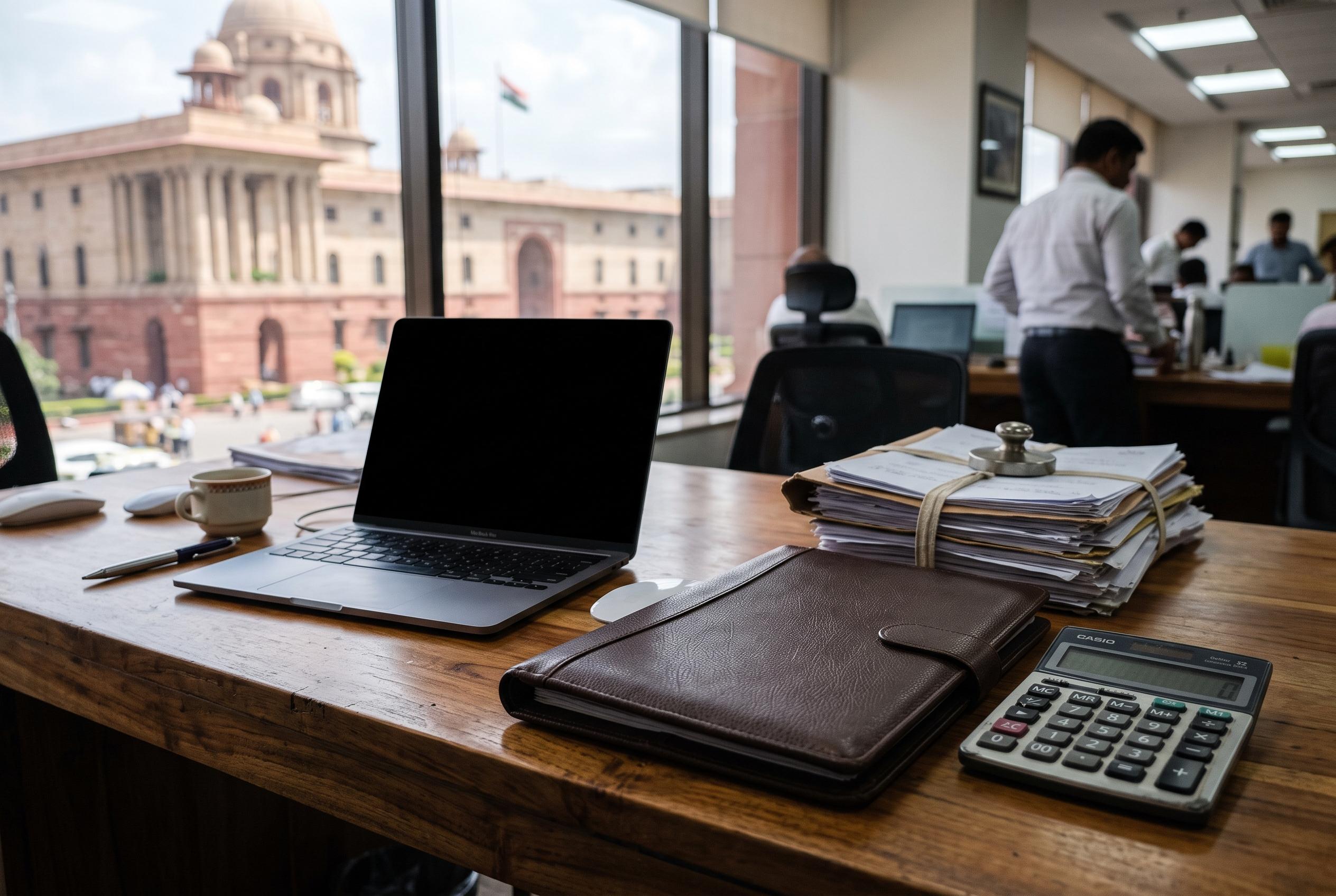

India’s focus on domestic production in defence, agriculture, and energy aims to reduce reliance on global supply chains, enhancing resilience against international disruptions, experts say following Prime Minister Narendra Modi’s Independence Day address.
India’s push towards greater self-reliance in defence, food and energy could help it withstand a more volatile world, according to experts reacting to Prime Minister Narendra Modi’s Independence Day address. Analysts said the combination of stronger domestic production, wider export opportunities and a more diversified energy mix would leave the country less exposed to disruption in trade, supplies and geopolitics.
Defence specialist Brigadier Hemant Mahajan, speaking to IANS, said India’s home-grown military production had expanded sharply in recent years and that exports were now providing a strategic edge. New figures reported by The Times of India put defence exports at a record Rs 23,622 crore in 2024-25, up from Rs 686 crore in 2013-14, underscoring how far the sector has moved under the government’s Make in India and Atmanirbhar Bharat drives. The same reporting showed private companies accounted for 60 per cent of exports, with defence public sector units responsible for the rest.
Agriculture adviser Aditya Sesh, speaking to IANS, said India’s growing free trade agreement network could open more doors for farm products, especially millets. He argued that the grains are well suited to overseas markets because they use less water, last longer and carry clear nutrition benefits. Statista data show millet exports still matter even after a year-on-year fall in 2024, with shipments topping 79,567 metric tonnes and bajra and sorghum leading the way by volume and value.
Sesh also pointed to the role states such as Maharashtra could play in broadening farm income through better branding, geographical indication tags and the One District One Product scheme. On energy, he said India needs a broader portfolio that includes ethanol-blended fuel, solar power, wind, hydrogen and nuclear energy. His warning was stark: in a world where, as he put it, “weaponisation of every article, every produce, every product is being done”, India must guard against dependence that could be turned into leverage.
Disclaimer: This article is intended to inform and educate, not to recommend or endorse any financial product, investment or strategy. Please consider your own financial circumstances and seek professional advice where appropriate before making financial decisions.