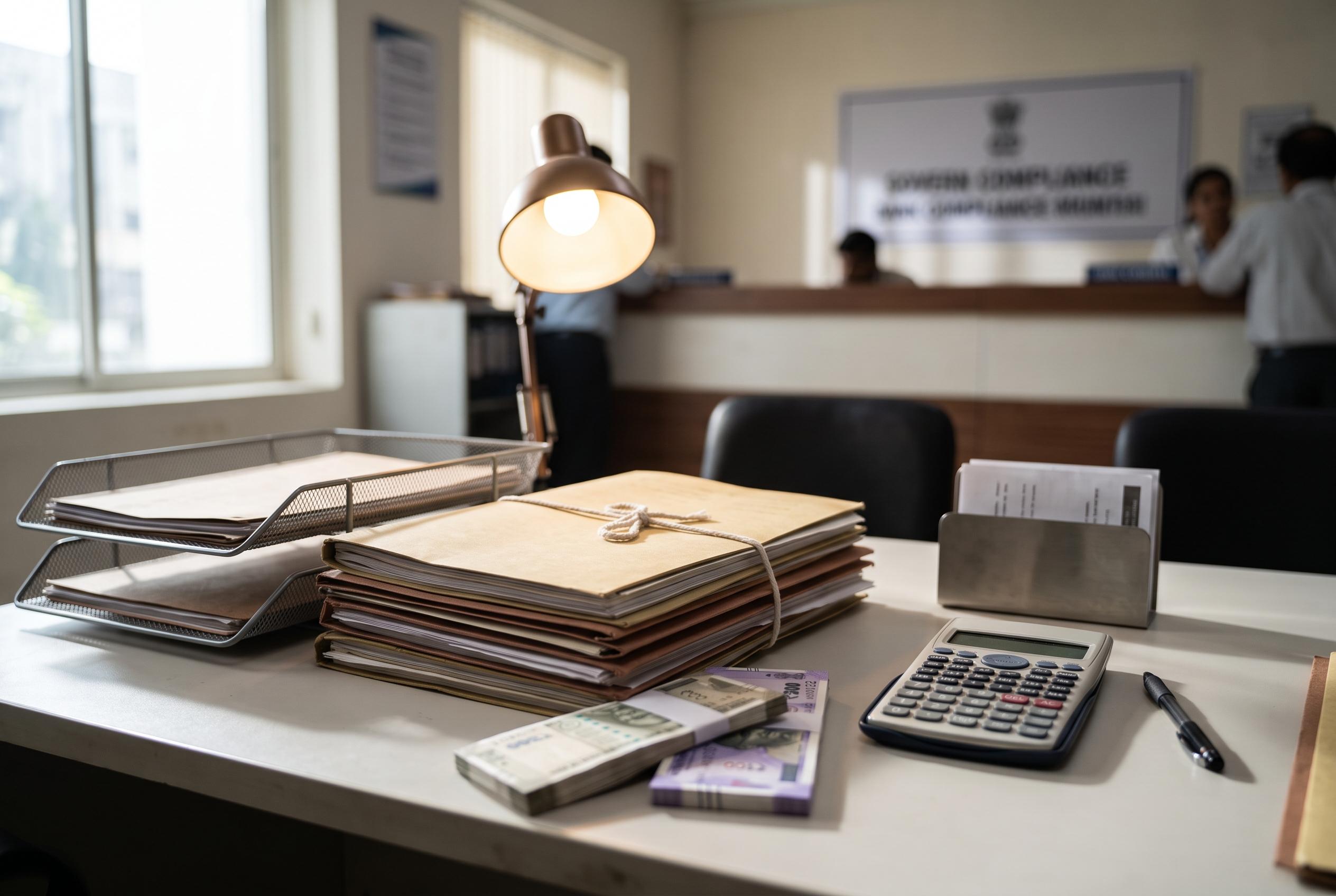

While depositing large sums into savings accounts is permitted, Indian banks and tax authorities are emphasising the importance of a clear paper trail to demonstrate lawful sources, amid heightened reporting requirements and regulations.
Cash deposits into savings accounts are allowed, but larger sums can draw scrutiny from banks and tax officials in India. The key issue is not whether a customer may pay in cash at all, but whether the source of the money can be explained if the deposit crosses reporting thresholds.
According to several Indian banks, there is no outright ban on depositing more than ₹10 lakh in cash into a savings account over a financial year. What matters is that aggregate cash deposits at or above that level are reported to the Income Tax Department under the Statement of Financial Transactions framework. Banks say the threshold applies to the total across multiple deposits, not just one transaction.
A deposit above that level does not automatically create a tax bill. The tax treatment depends on whether the money came from declared income or another lawful source. If the cash is unexplained, authorities may ask for documents and may treat it as taxable income, with interest or penalties possible. That is why banks and tax advisers stress keeping records such as salary slips, invoices, rent receipts, sale agreements, bank statements and evidence of cash withdrawals and redeposits.
Another rule applies at the transaction level. Banks generally require a Permanent Account Number, or PAN, for cash deposits above ₹50,000 in a single day. If a depositor does not have a PAN, Form 60 may be needed, subject to the rules in force. Separately, Section 269ST of the Income-tax Act restricts the receipt of ₹2 lakh or more in cash from one person in a single day, in one transaction, or for a single event or occasion, and violations can attract a penalty equal to the amount received.
The practical message is simple: a large cash deposit is not in itself illegal, but it should be traceable. Maintaining a clear paper trail, avoiding unexplained cash movements and checking account statements regularly can reduce the risk of a compliance problem if a bank or tax office later asks for clarification.
Disclaimer: This article is intended to inform and educate, not to recommend or endorse any financial product, investment or strategy. Please consider your own financial circumstances and seek professional advice where appropriate before making financial decisions.