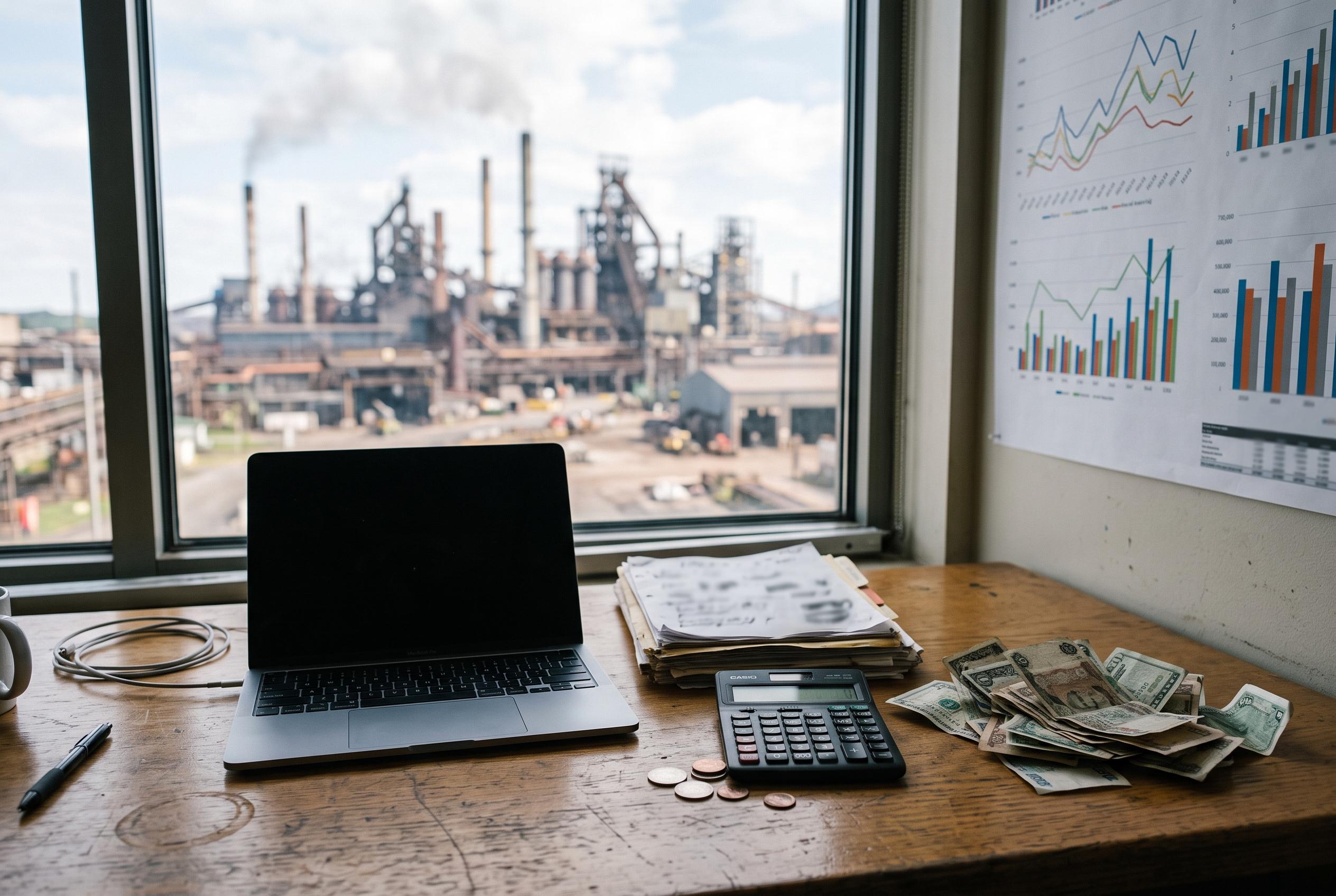

India’s coal import landscape is evolving, with a growing emphasis on metallurgical coal for steel production amid declining thermal coal imports, signalling a shift towards industrial demand over power generation.
India’s coal imports are changing shape, with the country buying more material for steelmaking even as demand for imported thermal coal eases. A report from MCX, as relayed by The Hindu BusinessLine, said India brought in about 244.2 million tonnes of non-coking and metallurgical coal in FY2025-26, little changed from the previous year, but the mix tilted notably towards metallurgical grades.
Coking coal imports climbed 12.4% to 63.7 million tonnes, while pulverised coal injection, or PCI, imports rose 6.2% to 20.9 million tonnes. That lifted total metallurgical coal imports to 84.5 million tonnes, up 10.4% year on year, reflecting still-firm demand from steelmakers. At the same time, non-coking coal imports fell 5.5% to 159.7 million tonnes as domestic coal availability improved and reliance on imported fuel for power generation eased.
That shift is consistent with other recent reporting. S&P Global said thermal coal imports by power plants fell to 45.38 million metric tonnes in FY2025-26, the lowest in four years and down 27.5% from a year earlier, while The Economic Times reported a similar decline and linked it to higher domestic supply and measures to curb import dependence. The broader picture is that India’s power sector is leaning less on seaborne coal, even as industry still needs imported coking coal that domestic mines cannot easily substitute.
The sourcing pattern is changing as well. According to The Hindu BusinessLine’s report, Russia emerged as one of India’s fastest-growing suppliers, with total shipments rising 13.1% to 32 million tonnes, while Australia remained the main supplier of premium coking coal. LiveMint reported separately that India’s coking coal import bill has fallen sharply in recent years as buying shifted towards Russia and the United States, helped by lower global prices and discounts, though domestic production still falls short of steelmakers’ needs.
For India, the implication is clear: future coal import trends will be shaped less by electricity demand and more by the pace of steel output. That makes the country’s import basket more exposed to industrial cycles than to power-sector fuel use, even as the government continues trying to lift domestic coal production and reduce unnecessary imports.
Disclaimer: This article is intended to inform and educate, not to recommend or endorse any financial product, investment or strategy. Please consider your own financial circumstances and seek professional advice where appropriate before making financial decisions.