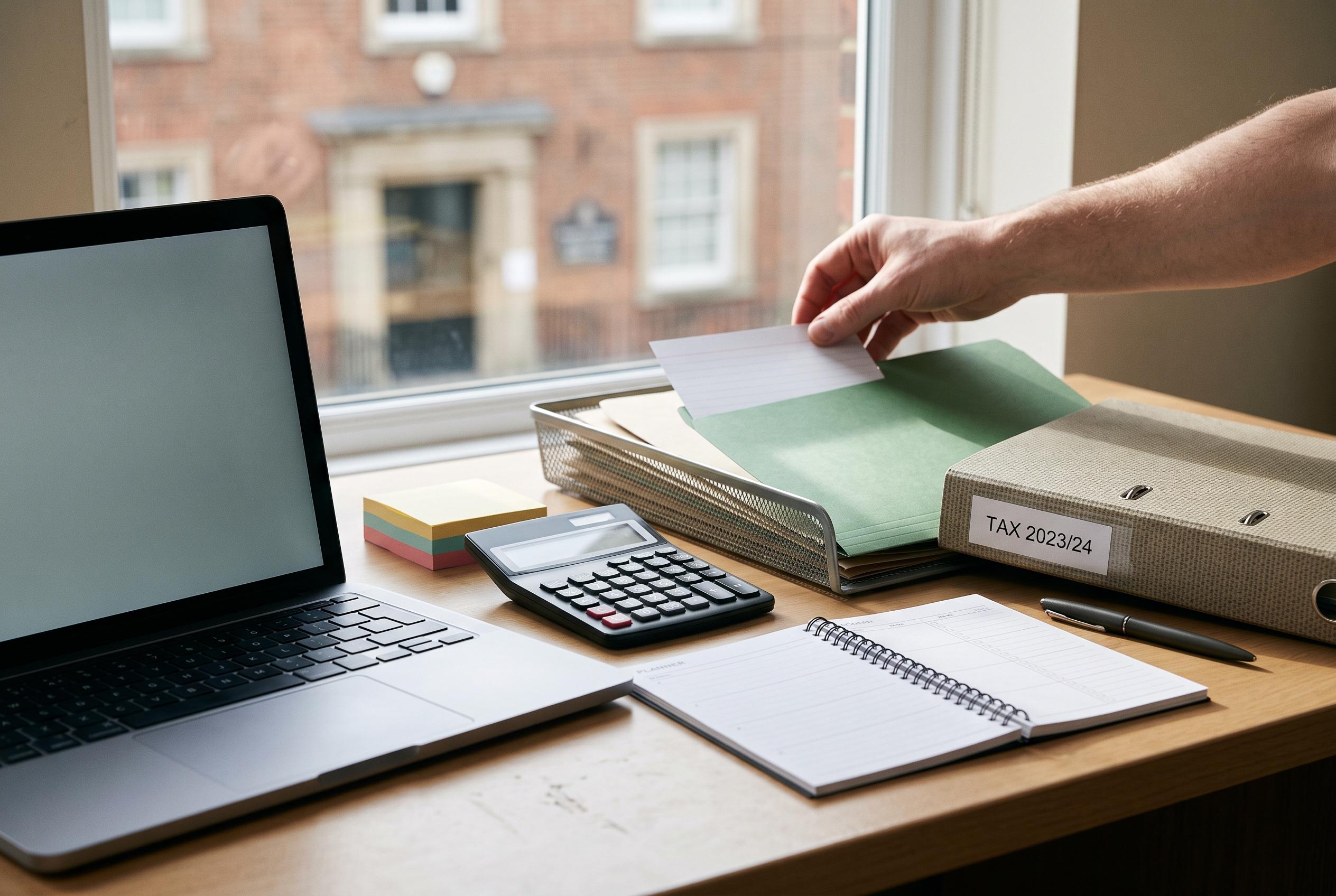

For many new filers, understanding and completing Self Assessment can seem daunting, but with organisation and timely action, the process can become straightforward and manageable, avoiding costly penalties.
For many first-time filers, Self Assessment looks more daunting than it is. HM Revenue & Customs uses it to collect Income Tax from people whose tax is not handled entirely through Pay As You Earn, including many self-employed workers, company directors, landlords and people with significant untaxed income. Once the basic rules are clear, the process is usually more routine than frightening.
The first date to watch is 5 October after the end of the tax year in which you need to file, when you must tell HMRC that you are required to complete a return. Paper returns are due by 31 October, while online returns and any tax due must be submitted and paid by 31 January. HMRC says missing those dates can trigger automatic penalties, even where no tax is ultimately owed.
What you need to file is also fairly straightforward. HMRC asks for details of all relevant income, plus records of expenses, employment forms such as a P60 or P45 where relevant, and pension contribution information if you are claiming relief. Keeping those records organised during the year makes the return much easier to complete and reduces the risk of errors.
Another feature that often catches newcomers out is payments on account. These are advance payments towards the following year’s tax bill and can apply when the previous year’s liability is high enough. For first-time filers, this can mean the January payment is larger than expected, so it is worth budgeting for more than the current year’s bill alone.
The basic filing process is relatively simple. Register with HMRC, wait for your Unique Taxpayer Reference, gather your figures, then complete the return through the Government Gateway and review the calculation before submission. For people with straightforward affairs, that may be all that is needed, although more complex income streams or larger tax bills can make professional help worthwhile.
The common mistakes are predictable: registering too late, leaving receipts and invoices until the last minute, overlooking allowable expenses, or failing to plan for payments on account. The safest approach is to register as soon as you know you need to file, keep records as you go and submit well before the deadline. That turns Self Assessment from a yearly scramble into a manageable admin task.
Disclaimer: This article is intended to inform and educate, not to recommend or endorse any financial product, investment or strategy. Please consider your own financial circumstances and seek professional advice where appropriate before making financial decisions.