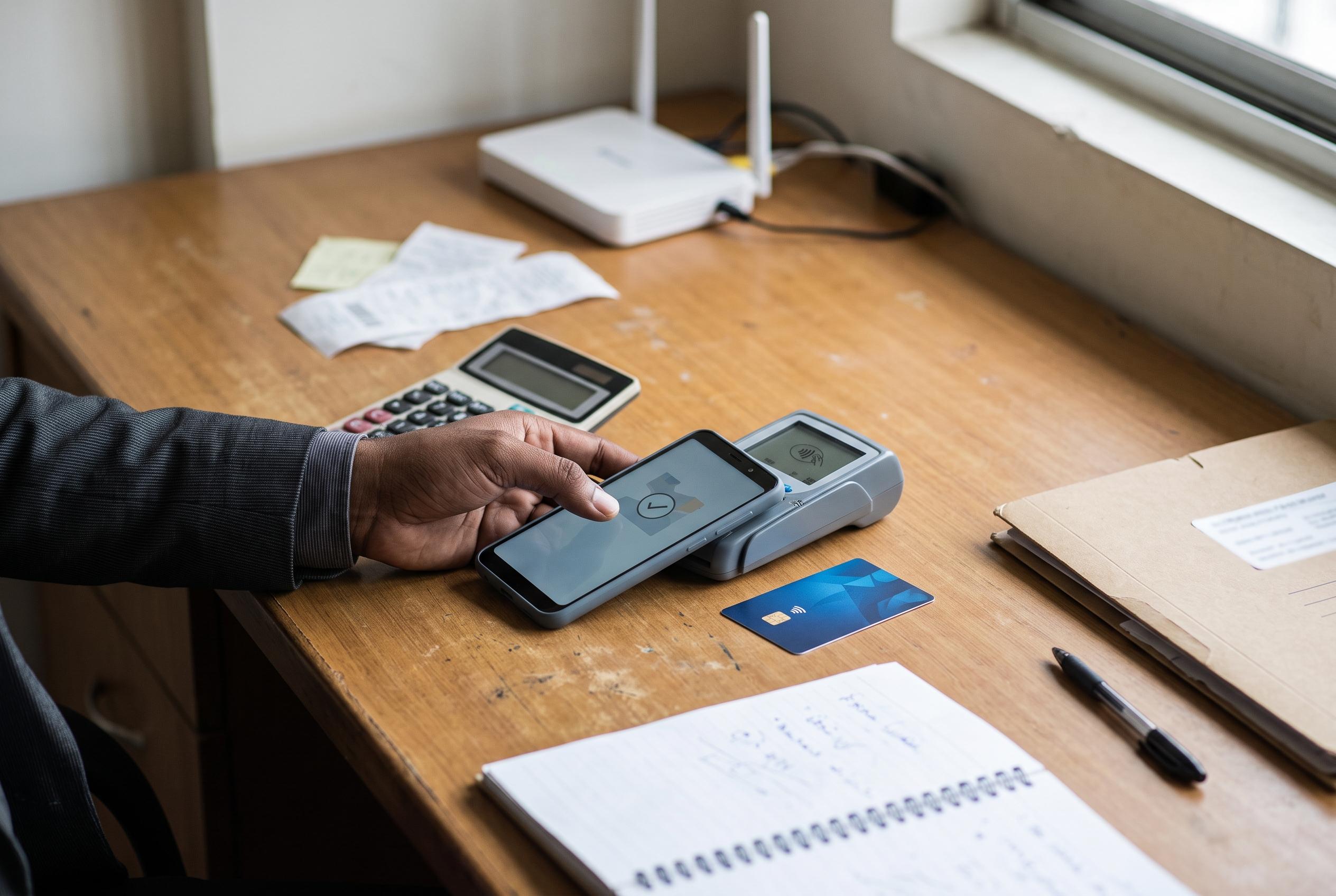

India marks its independence by showcasing rapid advancements in indigenous digital technologies like UPI, FASTag, DigiLocker, ONDC, and NavIC, reshaping daily transactions and commerce for millions.
India’s Independence Day is as much about digital self-reliance as it is about political freedom, and over the past decade the country has built a set of home-grown technologies that have changed everyday life. From payments and toll collection to document storage, online shopping and navigation, these systems have reduced friction for millions of people, while also giving smaller businesses and public services a more modern backbone. Reuters-style reporting on India’s payments ecosystem has repeatedly highlighted how quickly these tools have moved from novelty to routine.
The clearest example is UPI, the Unified Payments Interface. According to industry data, it has become the default way to pay for everything from tea to train tickets, replacing the need to carry cash for even the smallest purchase. The system, run within India’s banking framework and managed by the National Payments Corporation of India, allows money to move between bank accounts in seconds through a phone, with privacy protections such as virtual payment addresses and two-factor authentication.
FASTag has had a similar effect on highways. As banks and toll operators explain, the RFID-based tag, backed by the National Electronic Toll Collection programme, is fitted to a vehicle’s windscreen and deducts toll charges automatically as the car passes through an electronic toll booth. That has cut queues, reduced the need for cash and helped save time and fuel on busy routes.
DigiLocker has made it easier to keep essential documents close at hand without carrying paper copies. The service lets users store items such as driving licences, vehicle registration papers, Aadhaar details and mark sheets in digital form, which can be shown when needed on a phone. Its value lies in convenience as much as security: it reduces the risk of misplacing important paperwork and lessens the burden of carrying files from place to place.
ONDC, or the Open Network for Digital Commerce, has taken a different approach by trying to widen access to online trade. Rather than simply rewarding the biggest platforms, the network is designed to help small shopkeepers, local retailers and neighbourhood restaurants reach digital customers. That gives smaller businesses a route into e-commerce without having to rely entirely on the largest private marketplaces.
NavIC completes the picture as India’s own navigation system. Developed for use across India and surrounding areas, it offers location and route guidance with a domestic satellite backbone. Support for the system is increasingly appearing in smartphones, which suggests India is not just adopting digital tools made elsewhere, but building the infrastructure needed for its own users and markets.
Disclaimer: This article is intended to inform and educate, not to recommend or endorse any financial product, investment or strategy. Please consider your own financial circumstances and seek professional advice where appropriate before making financial decisions.