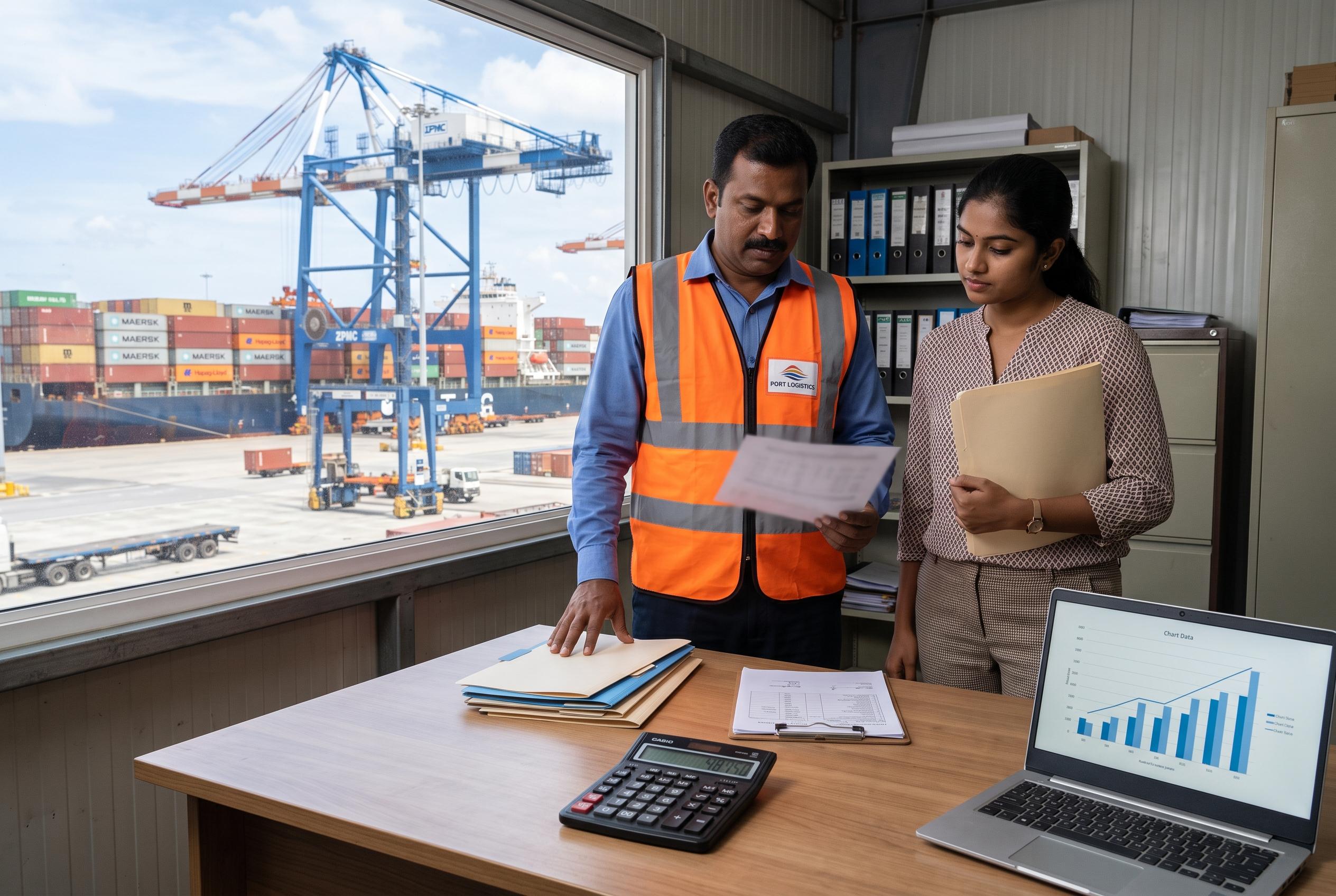

The Vizhinjam International Seaport prepares to commence its export-import operations, signalling a significant evolution from transshipment hub to a major freight gateway, with potential to reshape regional logistics and trade in southern India.
Vizhinjam International Seaport will begin export-import operations on 18 August, a step that could reshape how cargo moves in and out of Kerala and, potentially, parts of southern India. According to CargoTalk and several Indian business publications, the port is moving beyond its original role as a transshipment hub and into direct trade handling after receiving final customs clearance.
The development matters because it gives exporters and importers a nearer maritime option, rather than forcing some cargo flows through overseas hubs. Business Standard reported that the Central Board of Indirect Taxes and Customs has approved the launch, while also confirming that Vizhinjam will remain an open-access, common-user port, allowing equal access to shipping lines.
Vizhinjam has already built momentum as a deep-water facility on the East-West shipping route. CargoTalk said the port handled about 1.3 million twenty-foot equivalent units in its first year and became the fastest Indian port to cross the one-million-TEU mark, alongside 41 ultra-large container vessels. The port has also added an EXIM yard, a container freight station and an empty-container depot to support its next phase.
The shift to direct cargo operations is expected to support freight forwarding, warehousing and multimodal logistics, especially if inland links improve. The Economic Times reported that the Kerala government has also backed a multi-modal logistics park at Vizhinjam, with Container Corporation of India proposing facilities nearby, strengthening the case for the port as a wider logistics node.
Officials and industry watchers say the real test will be whether Vizhinjam can turn its physical advantages into steady cargo volumes. Better road and rail links, faster customs processes and competitive handling costs will be crucial if the port is to evolve from a successful transshipment point into a broader export-import gateway.
The next phase of expansion is already being planned. CargoTalk reported that capacity is expected to rise from about 1.6 million TEUs to 5.7 million TEUs by December 2028, alongside additional multipurpose berths, underscoring the state’s ambition to make Vizhinjam a central part of its maritime economy.
Disclaimer: This article is intended to inform and educate, not to recommend or endorse any financial product, investment or strategy. Please consider your own financial circumstances and seek professional advice where appropriate before making financial decisions.